REVIEW · BIG ISLAND OF HAWAII
Manta Ray Night Snorkel Kona – Coral Reef Snorkel Adventures
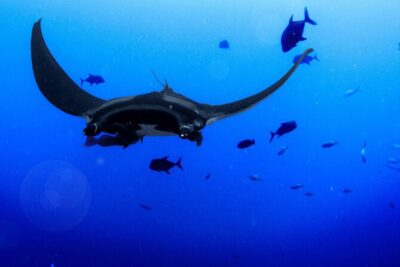
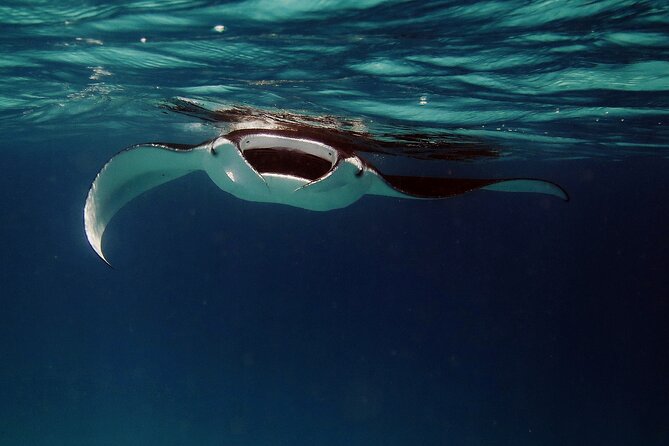
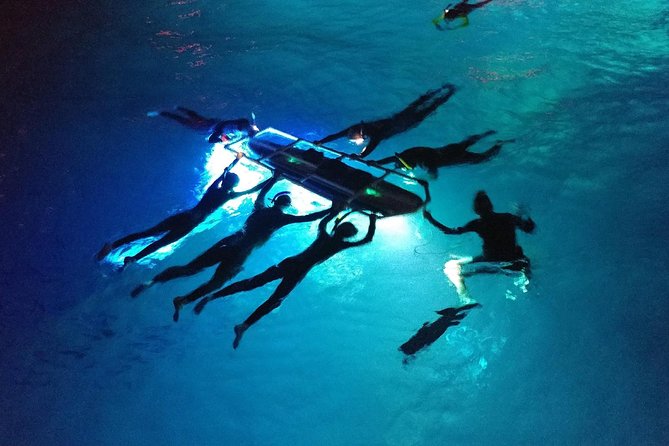
Kona’s manta rays glide beneath a floating lightboard, often coming within inches as they feed on plankton. That close, upside-down view is the heart of this 90-minute night snorkel, and it can feel wonderfully strange: dark ocean above, huge rays below, stars overhead.
I like the small-vessel format, which gets you to the viewing area quickly and gives you more access to the guide than a large boat. I also like the care shown by guides such as Jacob, Jeff, Cody, Erika, and Alexis, who are often praised for calm safety instruction and useful facts about manta behavior.
The main caution is the ocean ride. The small boat can bounce hard, and you may feel chilly on the return trip. Also, clarify the group-size promise before booking: some booking information describes a maximum of six, while the operator’s additional information permits up to 12 people.
Key points to know before booking
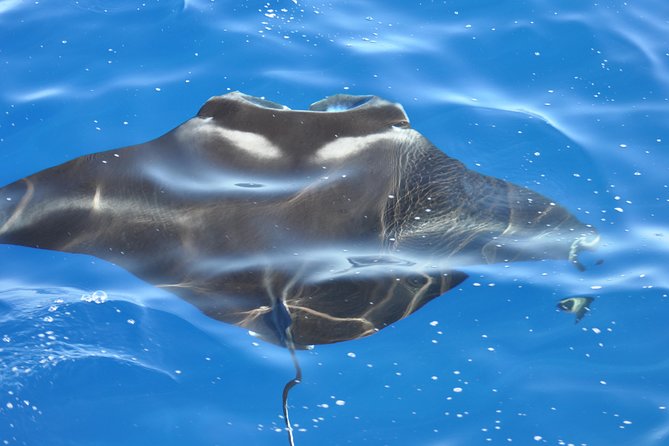
- Manta rays feed inches below the board: The light attracts plankton, which brings the rays close without touching or feeding them.
- The ride can be rough: The boat takes about 20 to 25 minutes each way, and open-ocean conditions can make both legs bumpy.
- You need to swim independently: You must swim without a flotation device and manage about 30 to 45 minutes holding the board.
- Guides make a real difference: Jacob, Jeff, Cody, Erika, and other crew members are praised for reassurance, safety help, and clear manta information.
- Group size needs checking: The tour is promoted as intimate, but the stated maximum can vary between six and 12 people.
- Book early in your vacation: If manta sightings are important to you, an earlier date leaves room for a return visit if conditions or luck go against you.
Meeting the boat at Honokohau Harbor
Your evening begins at Coral Reef Snorkel Adventures, at 74-425 Kealakehe Parkway in Kailua-Kona. From there, the crew meets you and leads the group to the boat at Honokohau Small Boat Harbor.
The process is practical rather than fancy. You receive snorkeling equipment and instructions, then prepare for the short ride to the manta viewing area. Bring your own towel. Anything you carry onto the boat may need to go into its dry storage, and shoes or water socks come off as you board.
That small detail matters. Pack light, wear a swimsuit under whatever you arrive in, and keep your towel easy to reach when you return from the water. You should not expect to carry loose belongings with you while snorkeling.
The company advertises an intimate trip, but the capacity information is not perfectly consistent. Several parts of the tour description refer to six people, while the additional information gives a maximum of 12. One operator response explains that the boat is Coast Guard certified for up to 12 people and is still smaller than boats carrying 30 to 50 or more. If six is important to you, ask for the exact group size before paying.
More Reef Snorkeling in the USA
- Kona Snorkel Tour: Captain Cook Reef Snorkel, Dolphin & Sea Caves
★ 4.5 · 1,411 reviews - Two Reef Snorkel Trip-See Captain Cook Monument & Sea Caves
★ 5.0 · 347 reviews - Captain Cook Reef Snorkeling of Kealakekua Bay
★ 5.0 · 133 reviews
A fast, bumpy ride into the night
Once the boat leaves the harbor, the ride to the viewing area takes roughly 20 to 25 minutes. It is part of the adventure, but it is not a calm sunset cruise. Several people describe the ride as very rough, especially when the ocean is choppy.
The boat is a small zodiac-style vessel, with some seating along the pontoon edges. That design helps the crew operate with a smaller group, but it also means more motion. If you get seasick, this is the point that deserves the most thought. Open-ocean conditions can change, and the boat may rock while the crew prepares the lightboard.
The company says captains cancel when conditions are unsafe. That addresses safety, but safe does not always mean comfortable. Speak with a health professional about motion-sickness prevention before the trip if you are prone to nausea. You may also want to book earlier in your holiday, rather than placing this outing on your final night.
The ride back can feel colder than expected. You have just spent time in the water, and the boat is moving through nighttime air. Even with a wetsuit jacket, some people find the return trip chilly. A towel is essential, and you may want a dry layer waiting in the vehicle if you have one.
Learning how the lightboard works
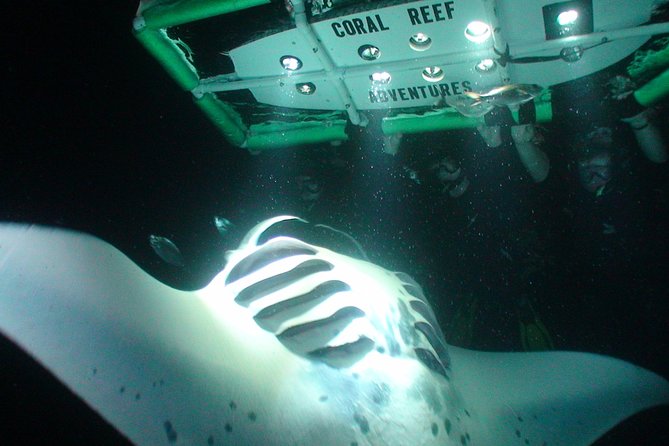
At the viewing site, the crew sets out a floating lightboard. The lights draw plankton toward the surface, and the manta rays arrive to feed. You hold the board’s handles and look down into the dark water as the rays circle below.
This is not ordinary reef snorkeling. You are not swimming freely around coral or chasing fish. You remain at the board, keep your body calm, and watch the manta rays come to you. That setup protects the animals and gives them room to move naturally.
The guide explains how to position yourself and how to avoid disturbing marine life. You need to listen carefully, since the water, board, and nearby swimmers can make communication harder. One useful balance is to keep your face in the water long enough to watch the action, then lift your head now and then for the guide’s explanations.
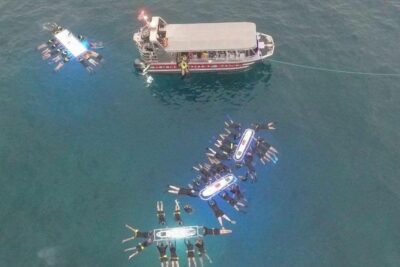
The group may be close to other boats using similar lights. You might bump feet with another swimmer, especially when the water is moving. The experience can still feel personal, but do not expect complete solitude at Kona’s well-known manta site.
Watching manta rays at arm’s length
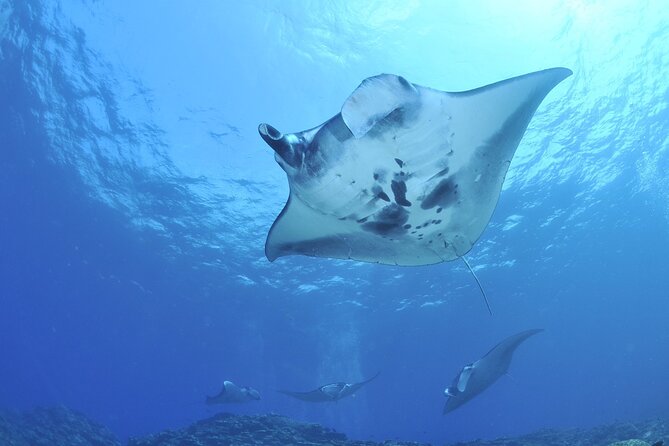
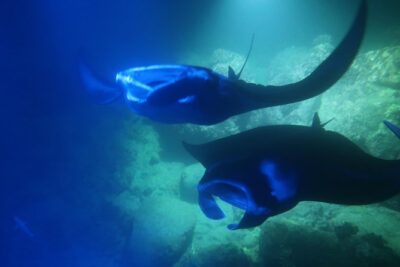
The manta encounter is the reason to come. The rays sweep below the board, turning on their backs and rolling through the light. They feed on plankton, often passing so close that you can see the shape of their wings and the smooth movement of their bodies.
Sightings are advertised at more than 90 percent, which is an excellent chance but not a guarantee. Some outings produce a dozen rays, while others see only one or two. A no-sighting evening is possible, and the company offers the chance to return without charge after an unsuccessful outing. That policy is especially useful if you schedule this experience early in your stay.
The best advice is to avoid judging the first few minutes. The rays may take time to appear, and their numbers can change during the session. One outing may bring six rays in quick succession. Another may involve a single animal making repeated passes.
Do not kick hard or reach toward the rays. Strong movements can push them away and make the water less pleasant for everyone. Relax your shoulders, use a light grip on the board, and let the animals set the pace. Holding your arms out in front of you for 30 minutes or more can tire your shoulders, particularly if you have limited upper-body strength.
The crew may keep you in the water for about 30 to 45 minutes. That is a good amount of viewing time, but it can feel demanding when the sea is moving. You must be comfortable floating while holding the board, and you must be able to climb the boat ladder afterward.
More Sunset Snorkeling Cruises in Big Island of Hawaii
- Big Island Manta Ray Night Snorkel
★ 5.0 · 5,656 reviews - KONA Manta Ray Night Snorkel – FREE re-ride if no Sightings
★ 5.0 · 2,212 reviews - Manta Ray Night Snorkel at Kona, Big Island
★ 5.0 · 1,758 reviews - Glow of the Deep: Night Snorkeling with Manta Rays
★ 4.5 · 1,254 reviews
Guides who add value to the encounter
The strongest part of this trip, apart from the rays themselves, is the crew’s role in making an unusual situation feel manageable. Jumping into dark ocean water can be unsettling, especially for children or anyone arriving with a little anxiety.
Guides including Jacob, Jeff, Cody, Erika, and Alexis are repeatedly singled out for patience, encouragement, and clear explanations. A good guide helps you handle the mask, find a comfortable position, understand the board, and stay calm when the water feels rough.
The manta information also gives the experience more meaning. Instead of simply watching large animals pass by, you learn how the light draws plankton and why the rays gather beneath it. You may also see fish, bioluminescence, and tiny glowing plankton in the water.
Keep your ears open. If your face stays underwater the entire time, you may miss some of the guide’s commentary. I would spend part of the session watching silently and part listening to the explanation. You get more from the outing that way.
Snacks, drinks, and the ride home
Snacks and non-alcoholic drinks are included. They are a pleasant extra after the water time, though the timing may vary. Some people receive drinks after returning, and one account describes them as warm rather than chilled.
Think of the refreshments as a small convenience, not a meal. Eat sensibly before setting out, since the trip involves a rough boat ride, swimming, and time in cool water. Avoid arriving overly full if motion sickness is a concern.
The return ride is quiet compared with the excitement at the board. You may see stars overhead, but the main task is getting warm and steady again. Have your towel ready as soon as you climb back aboard.
Is the $125 price fair?
At $125 per person, this is not the cheapest way to spend an evening on the Big Island. The price includes the boat ride, snorkel equipment, instruction, guide service, lightboard viewing, snacks, and drinks. It also buys a chance to see manta rays in their natural setting rather than in an aquarium or staged encounter.
The value depends on what matters most to you. If a smaller operation and close guide attention are important, the price is reasonable. A small boat can reach the site efficiently and may get people into the water faster than a large operation with a long loading process.
The tradeoff is comfort. A larger vessel may feel steadier to some people, while a smaller zodiac can pitch more sharply. A small group also does not guarantee a private experience, since the maximum may be as high as 12 and several boats often gather at the viewing area.
The high sighting rate helps justify the cost, but it cannot remove nature’s uncertainty. You are paying for a strong chance and a well-run attempt, not a guaranteed performance. The free return option after no manta sighting adds meaningful value if you have enough time left on the island.
Who should choose this night snorkel?
This outing suits confident swimmers who want a close wildlife encounter and do not mind a little discomfort. Families can enjoy it, and the guides have helped reassure children and nervous swimmers. You need enough strength to hold the board and climb the ladder, though the crew provides assistance.
It is less suitable if you cannot swim without a flotation device, have neck problems, or are uncomfortable in rough open water. The tour also has a maximum weight limit of 280 pounds per person. Anyone with knee trouble should think about the ladder, since getting back into the boat can be awkward in moving water.
For the best chance of a second attempt, book this near the beginning or middle of your Big Island stay. If you only have one evening available, accept that weather, sea conditions, and manta behavior remain outside the crew’s control.
Cancellation is free until 24 hours before the start time. Late cancellations and late changes are not refunded. Poor weather or failure to meet the minimum number of participants can lead to a new date, another experience, or a full refund.
Should you book Coral Reef Snorkel Adventures?
Book it if you want a direct, close look at manta rays and you are comfortable swimming at night from a small boat. The most memorable moments come when a ray turns beneath the board, rolls through the light, and passes within inches without being touched.
I would book earlier in the holiday, confirm the real group size, and prepare for a rough ride and cold return. Bring only what you need, pack a towel, loosen your grip on the board, and listen to the crew.
Skip it if seasickness, limited swimming ability, neck trouble, or ladder access makes the outing unsafe for you. For the right swimmer, though, this is one of the Big Island’s most unusual wildlife experiences, and the $125 price is fair when the rays show up in force.
FAQ
Where does the manta ray night snorkel begin?
The activity begins at Coral Reef Snorkel Adventures, 74-425 Kealakehe Parkway, Kailua-Kona, Hawaii 96740. The crew meets you there and escorts you to the boat at Honokohau Small Boat Harbor.
How long does the experience last?
The tour lasts approximately one hour and 30 minutes. The boat ride to the viewing area takes about 20 to 25 minutes, followed by roughly 30 to 45 minutes in the water and a return ride.
What is the chance of seeing manta rays?
The tour advertises a greater than 90 percent chance of seeing manta rays. Sightings are not guaranteed, and the number of rays can vary from one outing to another.
What happens if no manta rays appear?
The company offers the opportunity to return as many times as needed without an additional charge if you do not have a manta sighting. Booking early in your island stay gives you more time for another attempt.
Do I need to know how to swim?
Yes. You must be able to swim without assistance from a flotation device. You also need to hold the lightboard while in the water and climb back into the boat.
Is snorkeling equipment provided?
Yes. Snorkeling equipment is included. You need to bring your own towel.
How many people can join the tour?
The experience is promoted as an intimate small-group outing, with some information stating a maximum of six people. Additional information gives a maximum of 12, so confirm the capacity before booking if group size matters to you.
Can children join the tour?
Families and children have taken part, and guides can provide reassurance and help. Every participant must still meet the swimming, fitness, and weight requirements.
Is the boat ride rough?
It can be. The small boat may bounce in open-ocean conditions, and the ride can be uncomfortable for people prone to seasickness. Conditions vary by day.
What is the cancellation policy?
You can cancel at least 24 hours before the start time for a full refund. Cancellations or changes made less than 24 hours before the start time are not accepted for a refund. Weather cancellations may result in another date or a full refund.
More Whale Shark and Manta Snorkels in Big Island of Hawaii
- Big Island: Kona Manta Ray Snorkel Tour in Keauhou Harbor
★ 4.5 · 2,465 reviews - Snorkel with Manta Rays Guaranteed
★ 5.0 · 738 reviews - Manta Ray Snorkeling by Night in Kailua-Kona, Hawaii
★ 5.0 · 672 reviews - Big Island: Manta Ray Night Snorkeling Adventure in Kailua-Kona
★ 5.0 · 593 reviews
More Sunset Snorkeling Cruises in the USA
- Manta Magic: Small-Group Manta Ray Night Snorkel in Kailua Kona
★ 5.0 · 1,141 reviews - Sunset and Manta Ray Snorkel Adventure
★ 5.0 · 843 reviews - Manta Ray Night Snorkel in Kona
★ 5.0 · 777 reviews - Manta Ray Night Snorkel from Kona — Small Group
★ 4.5 · 657 reviews
Just added around Big Island of Hawaii
- Waikoloa Catamaran Snorkel Sail Including Lunch★ 4.5 · 105 reviews
- Two Tank Morning Reef Dive and Snorkel★ 5.0 · 54 reviews
- 2-Hour Dolphin Watching and Double Reef with Snorkel in Hawaii★ 5.0 · 23 reviews
- Ultimate Ocean Encounters Midday Snorkel★ 4.5 · 43 reviews
- Premium Kona Coast Morning Snorkel★ 5.0 · 179 reviews
- Sunset Cruise & Manta Night Snorkeling Charter★ 5.0 · 16 reviews
- Kona Luxury Catamaran Yacht Snorkel & Sail★ 5.0 · 40 reviews
- Dolphin, Sea Cave & Captain Cook Snorkel Combo in Kealakekua Bay★ 4.5 · 220 reviews
Big Island of Hawaii Snorkeling Tours, compared.
Big Island: Kona Manta Ray Snorkel Tour in Keauhou Harbor
Read our review →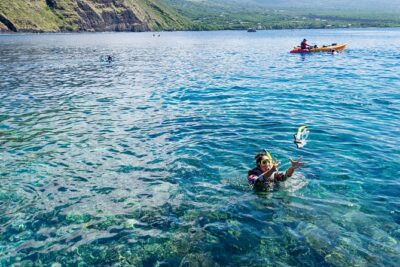
Big Island: Captain Cook Snorkel On A Power Catamaran With Lunch
Read our review →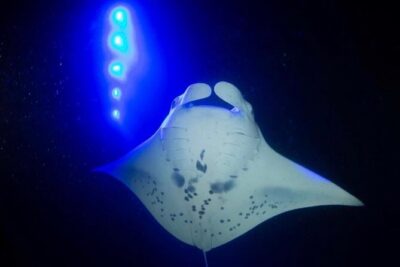
KONA Manta Ray Night Snorkel – FREE re-ride if no Sightings
Read our review →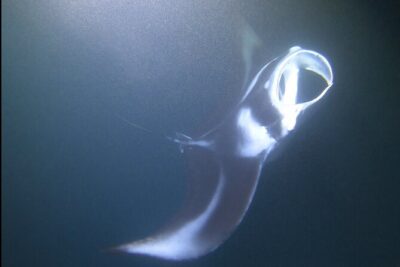
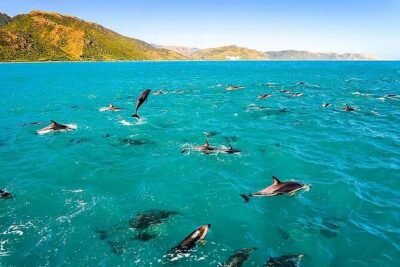
Kona Snorkel Tour: Captain Cook Reef Snorkel, Dolphin & Sea Caves
Read our review →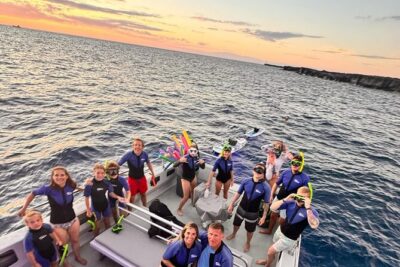
Glow of the Deep: Night Snorkeling with Manta Rays
Read our review →