
REVIEW · BIG ISLAND OF HAWAII
Snorkel with Manta Rays Guaranteed
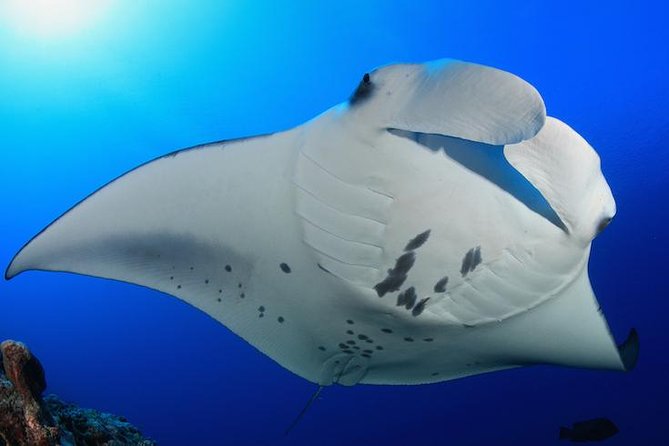
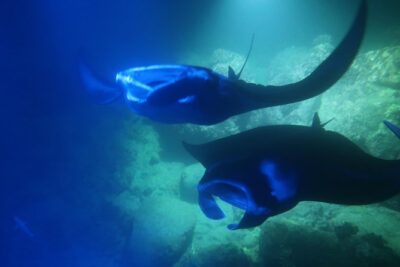
Big Island manta rays can glide within inches of your face, rolling through the light as they feed on plankton. You do not chase them or swim after them. Instead, you hold a floating light platform at the surface and let these graceful animals come to you.
I like the short ride to the viewing site, which is helpful if you get seasick, and the large trimaran Hokulani, with steps, a bathroom, and room to settle in. The crew also puts real effort into safety, especially for first-time night snorkelers and children.
The main catch is that this is not a free-swimming snorkel. You hold the flotation device for roughly 45 minutes, and rough water can tire your shoulders or upset your stomach. The mantas are also startlingly close, so this is not the right pick if you prefer wildlife at a distance.
Key points to know before booking
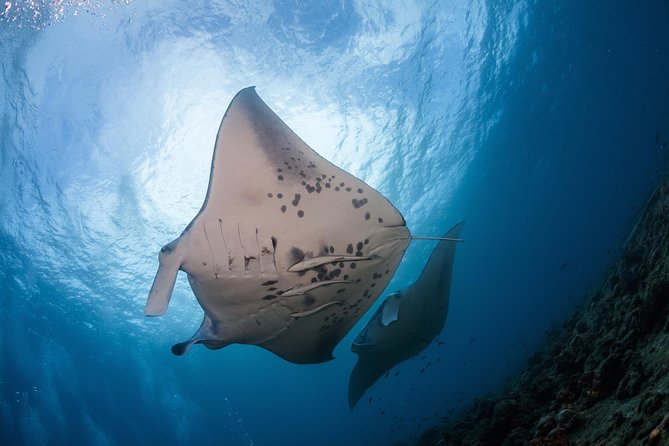
- Manta rays may pass within inches of your face: You will see their markings and broad wings at very close range.
- You float rather than swim after the animals: The lit platform gathers plankton and gives you a steady place to hold.
- The water time is about 45 minutes: The full outing lasts about 1 hour 30 minutes, including the sunset cruise and return.
- Hokulani keeps the boat ride short: This can make a big difference if nighttime motion on the ocean bothers you.
- Fins are not used: Wetsuits, masks, snorkels, and flotation support are supplied.
- The tour suits confident beginners: Crew members explain the process and assist people into the water, but you still need moderate physical fitness.
Why the manta encounter feels so unusual
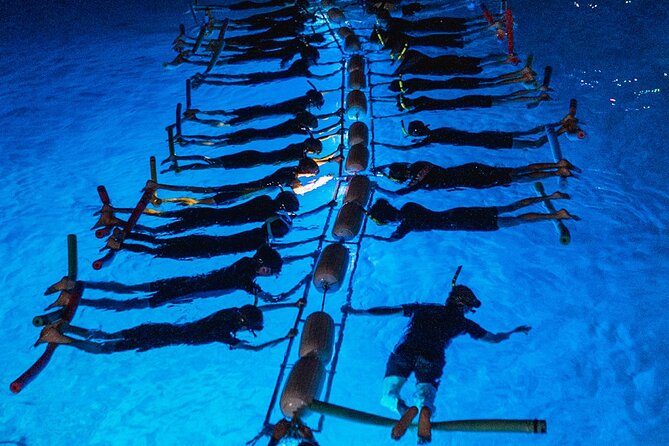
Most wildlife trips involve watching from a boat or swimming past animals that keep their distance. At Manta Ray Village, the arrangement is different. Powerful lights shine into the water, attracting plankton. The mantas follow the food, sometimes sweeping directly beneath the floating platform.
That can put a manta less than a foot from your face. You may see one make a slow barrel roll, turn on its side, or pass beneath the light with its mouth open. The animals are large, but their movement is quiet and controlled. That contrast is what makes the experience so memorable.
You are not allowed to touch the mantas. That rule protects the animals and keeps the encounter respectful. The crew also keeps your feet up on the float, reducing the chance of accidentally kicking a ray. I appreciate this approach because it lets you watch natural feeding behavior without treating the animals like an attraction that performs on command.
The experience is best understood as a floating viewing session, not ordinary snorkeling. You will look down into the water, but your hands stay on the bar or edge of the flotation device. That setup makes the activity possible for some first-time snorkelers, though it can also feel less adventurous than the phrase swim with manta rays suggests.
More whale shark and manta snorkels in Big Island of Hawaii:
- Big Island Manta Ray Night Snorkel
★ 5.0 · 5,656 reviews - Big Island: Kona Manta Ray Snorkel Tour in Keauhou Harbor
★ 4.5 · 2,465 reviews - KONA Manta Ray Night Snorkel – FREE re-ride if no Sightings
★ 5.0 · 2,212 reviews
Sunset aboard the Hokulani
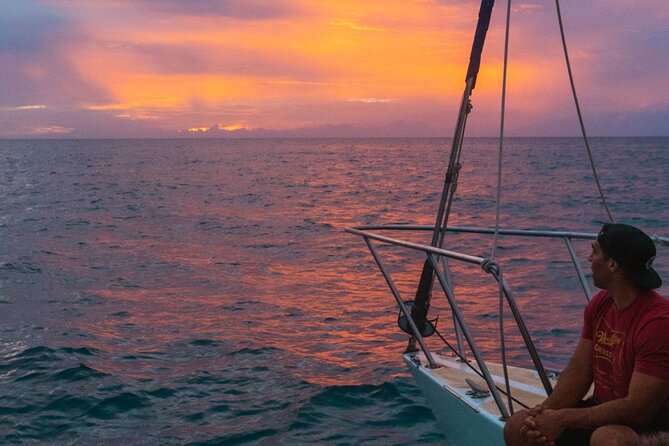
The outing begins at Keauhou Bay, on the Kona side of the Big Island. After boarding the Hokulani, you cruise out toward the viewing site while daylight fades. The sunset portion gives you a pleasant start before the focus shifts to the dark water and illuminated platform.
The boat is a comfortable trimaran rather than a tiny speedboat. Its size offers more room to move around, and the layout includes steps for getting in and out of the water. A bathroom is another practical advantage, especially on an evening outing with children or anyone who does not enjoy being confined on a small vessel.
Drinks are available, including filtered water, soda, and assorted juices. Snacks are also offered onboard. If you are prone to motion sickness, the short ride is one of this tour’s strongest practical features. Several accounts describe the trip to the site as taking only a few minutes, though conditions can affect the exact timing.
The boat can still move around after you return from the water. One person had a difficult time with seasickness while sitting aboard in rough conditions. If that is a concern, consider bringing any motion-sickness remedy you already know works for you. The supplied information does not specify a medication service, so plan ahead rather than counting on the crew to solve the problem.
The safety briefing and flotation setup
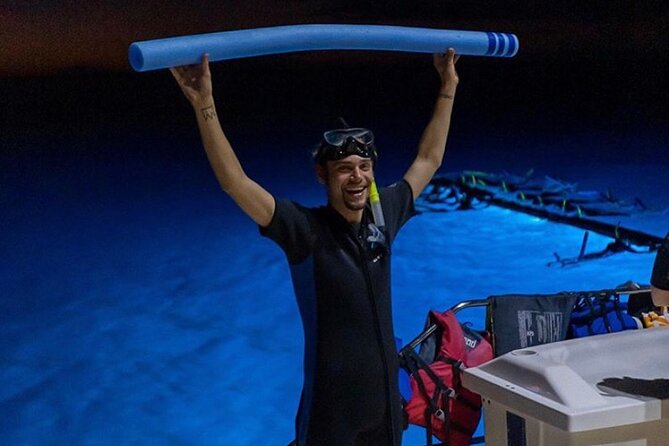
At Manta Ray Village, the crew explains how the equipment works and what to expect in the dark. You will receive a wetsuit, mask, and snorkel. Fins are not needed because you are not swimming independently around the site.
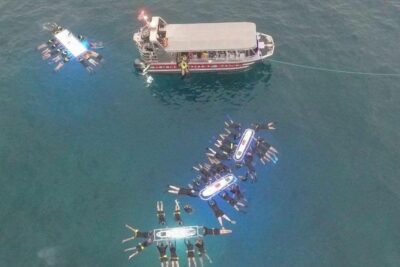
The central piece of equipment is a lit flotation device. You hold on while looking down at the rays. Crew members in the water help people move from the boat to the float and stay nearby during the viewing period.
This support matters if you have never snorkeled at night. Entering dark ocean water can feel intimidating, even if you are comfortable in a pool or on a daytime beach. The crew’s instructions are described as clear and brief, and assistance is available for anyone who becomes nervous.
You should still have a moderate fitness level. Holding the float is not difficult for everyone, but rough water can make it tiring. A firm grip for a long period may bother your shoulders, especially if you already have shoulder problems. One useful tip from the crew is to grip the float gently rather than clenching it hard. That small adjustment can reduce arm fatigue.
Full-face masks are not permitted because of safety concerns. You will use a standard mask and snorkel, so practice with that type of equipment before the tour if you have never used one.
About 45 minutes with the rays
The actual water time is about 45 minutes. That is enough time to settle down, understand the pattern of the encounter, and watch more than one pass. The first manta can be startling. It may rise from below and level out close to your mask, seeming much larger than you expected.
Manta numbers vary. Some nights produce only one to three animals, while other outings have included five, six, eight, ten, or even more. No honest operator can promise a particular count. The title says manta rays are guaranteed, but the number, size, and activity level remain natural variables.
That uncertainty is part of the deal. One ray can provide a remarkable encounter, especially when it turns directly beneath the light. On a busy night, several may circle the platform and pass in different directions. You might see them chase one another or perform slow rolls while feeding.
The rays are accustomed to the lights and the feeding pattern, but you should not assume they will appear on a schedule. Keep watching the water rather than looking only at the people around you. The crew can explain what you are seeing and point out activity below.
The close distance is both the attraction and a possible drawback. If you want to see the full animal in open water, this is excellent. If you dislike large creatures approaching your face, the first few passes may feel intense. You can ask to leave the water at any time, according to the supplied details.
A few more snorkel trips around Big Island of Hawaii worth comparing
- Big Island: Captain Cook Snorkel On A Power Catamaran With Lunch
★ 5.0 · 2,232 reviews - Manta Ray Night Snorkel at Kona, Big Island
★ 5.0 · 1,758 reviews - Kona Snorkel Tour: Captain Cook Reef Snorkel, Dolphin & Sea Caves
★ 4.5 · 1,411 reviews - Glow of the Deep: Night Snorkeling with Manta Rays
★ 4.5 · 1,254 reviews
Rough water, cold water, and physical demands
Ocean conditions shape the evening. Calm water makes it easier to hold the platform and watch the animals. Choppy water can push the floats together and make the bar move up and down. You may spend much of the session bracing your body and adjusting your grip.
The wetsuit helps with the chilly water, but you should still prepare for feeling cold. The ocean is not described as warm, and one outing was specifically noted as chilly. The combination of darkness, water temperature, and wave motion can wear you down sooner than expected.
This is why I would not automatically book it for very young children. An eight-year-old completed the activity successfully, and a nine-year-old was described as the youngest person on one boat. That does not create a formal minimum age, but it does show the kind of child who may manage it: comfortable in the ocean, able to follow directions, and willing to hold on for an extended period.
Families should also remember that adults may not all have the same stamina. One family member spent about 50 minutes in the water, another left after 30 minutes because of seasickness, and children stayed for different lengths of time. You do not have to force yourself to remain in the water if conditions become unpleasant.
What makes Sea Paradise a good choice
The strongest part of this outing is the crew’s presence in the water. They explain the procedure, help people off the boat, watch the group, and assist anyone who feels nervous. That support is especially valuable during a first night snorkel.
The boat also earns points for comfort. A clean, spacious trimaran with a bathroom and easy steps is a better base than a cramped craft when you are changing gear, waiting your turn, or recovering from the water. The shorter ride keeps more of the outing focused on the manta encounter and less on open-ocean transit.
Another positive is the company’s treatment of the animals. The no-touch rule is direct. Keeping feet on the float helps prevent accidental contact, and the arrangement lets the mantas control the distance. You get a close encounter without being encouraged to grab, feed, or pursue them.
The group can include as many as 49 people. That is a substantial number, so do not expect a private wildlife session. The flotation setup can feel crowded when several people hold the same structure, particularly if waves push the platforms around. The tradeoff is that you receive organized support and a stable platform rather than having to manage the encounter alone.
Getting your money’s worth at $141.57
At $141.57 per person, this is not a casual add-on. I think the price makes sense if the manta encounter is a top priority and you value a short boat ride, supplied equipment, a larger vessel, and crew support.
The cost includes the sunset cruise, wetsuit, mask, snorkel, flotation equipment, filtered water, soda, and juices. There is no need to buy or pack fins because they are not used. Gratuities are not included, though they are appreciated.
Value depends on what you expect from the word snorkel. If you picture swimming freely over a reef for a long period, this may feel expensive for a 45-minute float. If you want a carefully managed night encounter with large wild animals close below you, the price is easier to justify.
The manta guarantee also changes the calculation. It does not guarantee a certain number of rays or constant action, but it reduces the risk of paying for an outing with no manta sighting at all. Weather and minimum group requirements can still lead to a cancellation, in which case you are offered another date or a full refund.
Book well ahead if your schedule is tight. This experience is commonly reserved about 38 days before departure, and confirmation is sent within 48 hours of booking, subject to availability.
Small details that make the evening easier
Wear swimwear under the wetsuit and bring a dry change of clothes for the ride home. The provided information does not list towels, so I would not assume one is supplied.
If you use an underwater camera, choose equipment that stays secure. A basic phone case may produce disappointing results in dark water. An action camera or a rental camera offered by the operator is a more sensible choice, but keep your attention on the mantas rather than spending the whole session adjusting settings.
Listen carefully to the instruction about not touching the animals. A manta may brush close enough to create an instinctive reaction, but reaching out can harm its protective coating and violate the rules. Keep your hands on the float and let the animal pass.
At Keauhou Bay, look for the meeting area around the building on the right rather than assuming the boat ramp is the check-in point. Several activities can gather in the same area, so allow time to find the correct meeting spot.
Cancellation is free up to 24 hours before the start time for a full refund. Changes or cancellations inside that window are not accepted for a refund. Cutoff times use local Hawaii time.
Who should book this manta ray tour
I would choose this outing if you want a close wildlife encounter, are comfortable in open water, and can hold a flotation bar for around 45 minutes. It is also a sensible choice for a first night snorkel because crew members stay involved and the gear is supplied.
Families with older children may find it works well, provided each child can follow instructions and cope with darkness, cold water, and waves. The experience is not ideal for someone with serious shoulder trouble, poor ocean confidence, or strong motion sickness unless you already have a reliable plan.
You should also know what you are buying. This is not a quiet, private meeting with one manta in empty water. It is a group activity around shared lights, with up to 49 people and a fixed viewing system. The reward is the chance to see the animals close, often so close that you can study their markings and watch their wings move over your head.
Should you book it?
Yes, if manta rays are high on your Big Island list. Sea Paradise combines a comfortable trimaran, a short ride, supplied gear, careful animal rules, and strong in-water support. The most memorable part is the proximity: a manta may glide within inches of your mask while you remain still at the surface.
I would skip it if you want free swimming, dislike being near large animals, or know that rough water will make you miserable. For everyone else, this is one of the more distinctive evening activities on the Kona coast, with enough practical support to make a demanding setting manageable.
FAQ
Where does the manta ray tour start?
The tour starts at Keauhou Bay in Kahaluu-Keauhou, Hawaii, at ZIP code 96740.
Where does the activity finish?
The activity ends back at the Keauhou Bay meeting point.
How long does the tour last?
The full experience lasts approximately 1 hour 30 minutes.
How long are you in the water?
Snorkel time is approximately 45 minutes.
Are manta rays guaranteed?
The tour guarantees a manta ray encounter, but the number of rays and how active they are can vary by night.
What equipment is included?
Wetsuits, masks, snorkels, and snorkeling equipment are included. Fins are not needed for this activity.
Are drinks provided?
Filtered water, soda, and assorted juices are provided. Snacks are also offered onboard.
Can I use a full-face mask?
No. Full-face masks are not allowed because of safety concerns.
How many people can join the tour?
The maximum group size is 49 people.
What happens if the weather cancels the tour?
If poor weather causes a cancellation, you are offered a different date or a full refund. A full refund is also available when you cancel at least 24 hours before the scheduled start time.
Just added around Big Island of Hawaii
- Waikoloa Catamaran Snorkel Sail Including Lunch★ 4.5 · 105 reviews
- Two Tank Morning Reef Dive and Snorkel★ 5.0 · 54 reviews
- 2-Hour Dolphin Watching and Double Reef with Snorkel in Hawaii★ 5.0 · 23 reviews
- Ultimate Ocean Encounters Midday Snorkel★ 4.5 · 43 reviews
- Sunset Cruise & Manta Night Snorkeling Charter★ 5.0 · 16 reviews
- Premium Kona Coast Morning Snorkel★ 5.0 · 179 reviews
- Kona Luxury Catamaran Yacht Snorkel & Sail★ 5.0 · 40 reviews
- Dolphin, Sea Cave & Captain Cook Snorkel Combo in Kealakekua Bay★ 4.5 · 220 reviews
Big Island of Hawaii Snorkeling Tours, compared.
Big Island: Kona Manta Ray Snorkel Tour in Keauhou Harbor
Read our review →
Big Island: Captain Cook Snorkel On A Power Catamaran With Lunch
Read our review →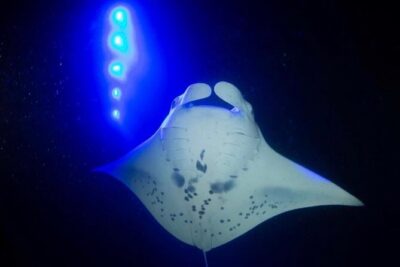
KONA Manta Ray Night Snorkel – FREE re-ride if no Sightings
Read our review →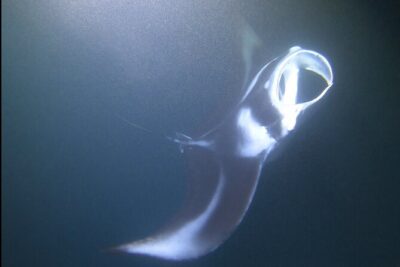
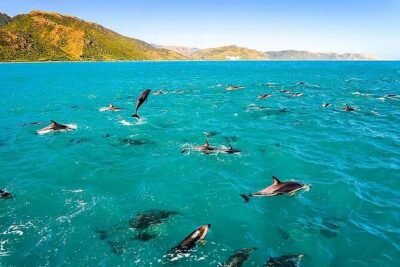
Kona Snorkel Tour: Captain Cook Reef Snorkel, Dolphin & Sea Caves
Read our review →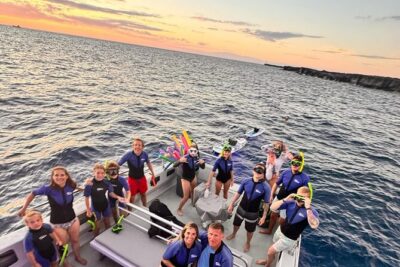
Glow of the Deep: Night Snorkeling with Manta Rays
Read our review →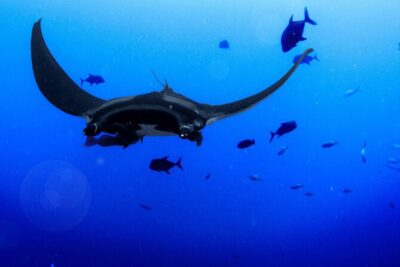
Manta Magic: Small-Group Manta Ray Night Snorkel in Kailua Kona
Read our review →Browse the lists this tour appears in