
REVIEW · BIG ISLAND OF HAWAII
Snorkel With Giant Manta Rays In Kailua Kona
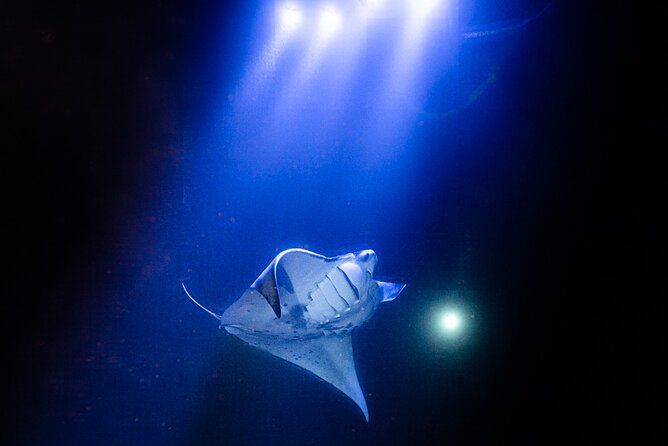
The main event is wonderfully strange: you float in dark Pacific water while giant manta rays glide beneath you, sometimes close enough to fill your view. The crew uses a floating board with underwater lights, which draws plankton toward the surface and gives the rays a reason to come near.
I like that wetsuits and snorkel gear are included, and that the boat ride adds a sunset or coastline view before the night swim. I also like the small maximum group of 18, plus an in-water Red Cross licensed guide and lifeguard. The tradeoff is simple: these are wild animals, not a guaranteed show, and some outings have had delays, limited water time, or disappointing crew service.
Key points to know before booking
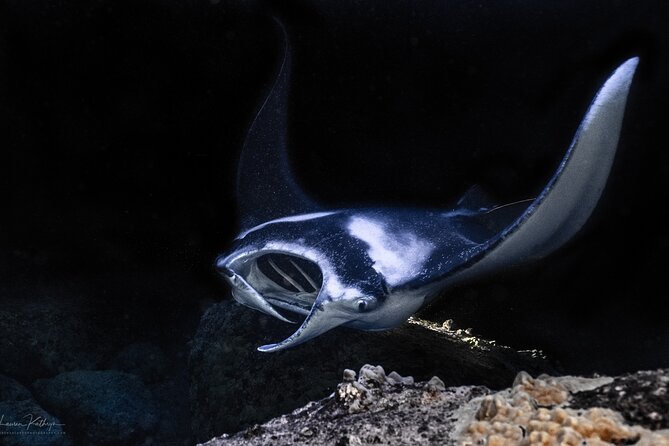
- Manta rays may glide within inches of you: The best encounters happen while you hold still at the light board.
- The floating light board is central to the experience: It draws plankton upward, which can bring manta rays to the surface.
- The ride lasts about 15 to 20 minutes each way: Sunset trips can add a beautiful coastal view before darkness settles in.
- The group can reach 18 people: That is fairly small for a manta outing, though the boat may still feel crowded.
- You need real water skills: Basic swimming and previous snorkeling experience are required, along with the ability to climb a boat ladder alone.
- Bring warmth for the ride home: A towel, dry clothes, and a robe or warm layer will make the return much more comfortable.
Why Kona’s night manta snorkel is so unusual
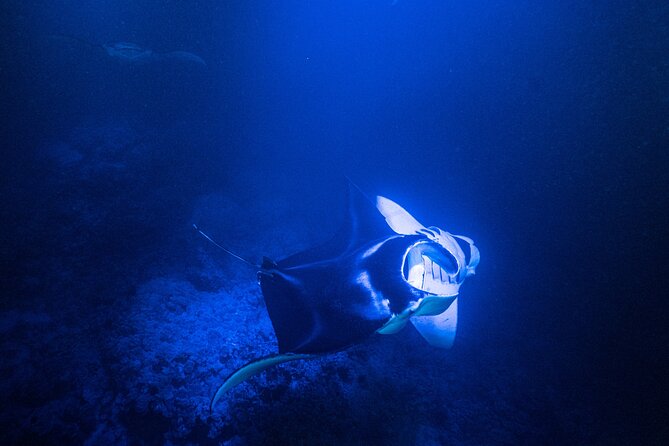
Kona’s manta experience is not a typical reef snorkel. You are not searching for colorful fish in shallow daylight water. Instead, you head out after sunset, hold onto a floating light board, and watch for large rays feeding on plankton gathered in the beams.
The rays are wild. They do not belong to the boat operator, and they may arrive in groups, appear one at a time, or stay away. On strong nights, you might see several rays making repeated passes. Some people have seen around eight to ten, while others have seen only one or three. There can also be stretches with no manta activity at all.
That uncertainty is part of the bargain. You are buying access to a well-known feeding area and a guided setup, not a guaranteed performance. If you want the best chance of success, book early in your Kona stay. If the rays fail to appear, the operator may allow you to rebook for a fee, but seats can be scarce at busy times and there is no refund simply because the wildlife stayed away.
More whale shark and manta snorkels in Big Island of Hawaii:
- Big Island Manta Ray Night Snorkel
★ 5.0 · 5,656 reviews - Big Island: Kona Manta Ray Snorkel Tour in Keauhou Harbor
★ 4.5 · 2,465 reviews - KONA Manta Ray Night Snorkel – FREE re-ride if no Sightings
★ 5.0 · 2,212 reviews
Meeting at Honokohau Small Boat Harbor
The activity begins at Snorkel Big Island, 74-380 Kealakehe Parkway, Kailua-Kona. The meeting point is on the north side of Honokohau Small Boat Harbor, and you should confirm the exact check-in time directly with the operator. Check-in may be as much as 40 minutes before departure.
That early arrival matters. You need time to receive your shorty wetsuit, collect your mask and snorkel gear, and listen to the safety instructions. Arriving at the last minute could make the start feel rushed, especially if several people need equipment adjustments.
The shorty wetsuit does two jobs. It helps keep you warm in the evening water, and it gives you a little extra float. Additional flotation and life jackets are available if you request them, so ask before getting into the water if you are nervous or not a confident swimmer.
You may bring your own mask if you have a favorite fit, but prescription masks are not included. A towel, swimsuit, flip-flops, and warm clothes for afterward are practical additions. The boat ride back can feel cold after you leave the water, even in Hawaii.
The 15 to 20 minute boat ride along the coast
Once aboard, you take a 15 to 20 minute ride toward the manta site. The vessel is a USCG documented boat, and licensed captains and guides provide narration about the coastline along the way.
The ride is short enough that it does not eat up the evening, but long enough to make the activity feel like a real ocean outing rather than a quick swim from shore. A departure around 6:30 p.m. can be especially pleasant, since you may catch the sunset before the light board becomes the focus.
The boat is described as 35 feet long and carries no more than 18 people. That is a reasonable group size for personal help in the water, but do not expect a private charter. Some people have found the boat crowded, and a smaller vessel can feel lively when everyone is changing gear and preparing to enter the water.
Conditions also matter. Rough water can delay departure, slow the return, and reduce time at the snorkel site. A late start or a shorter water session is frustrating when you have planned your evening around the excursion, but weather and sea safety have to come first.
Garden Eel Cove and Manta Heaven after dark
The listed snorkel area is Garden Eel Cove, also known as Manta Heaven. Once the boat reaches the site, the crew explains how to enter the water and how to position yourself at the light board.
You do not chase the rays. You hold onto the board, keep your body calm, and watch below. The lights attract plankton, and the feeding manta rays may sweep through the illuminated water with their mouths open. Their movements can look almost weightless, despite their great size.
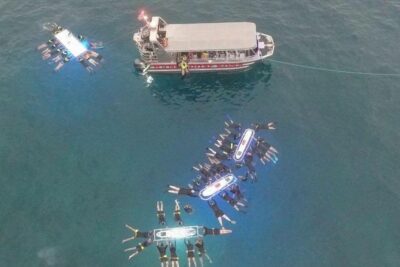
The floating board is an important part of this particular setup. It carries powerful underwater lights and gives you a place to hold on while you watch. It also helps the crew keep the group together. You may receive extra flotation or personal help if needed, but you must be able to swim and climb the ladder without someone physically carrying you.
An in-water guide stays with the group and explains the rays and other sea life. The quality of that personal guidance can vary. Some outings have had warm, informative crew members who helped nervous swimmers relax. Other outings have felt rushed or short on explanation. If you want to understand what you are seeing, ask questions before entering the water and listen closely to the briefing.
You may also see other wildlife. Sightings have included sharks, dolphins, and plankton glowing or sparkling in the water. None of these are promised, so treat them as pleasant extras rather than part of the package.
A few more snorkel trips around Big Island of Hawaii worth comparing
- Big Island: Captain Cook Snorkel On A Power Catamaran With Lunch
★ 5.0 · 2,232 reviews - Manta Ray Night Snorkel at Kona, Big Island
★ 5.0 · 1,758 reviews - Kona Snorkel Tour: Captain Cook Reef Snorkel, Dolphin & Sea Caves
★ 4.5 · 1,411 reviews - Glow of the Deep: Night Snorkeling with Manta Rays
★ 4.5 · 1,254 reviews
What the manta encounter actually feels like
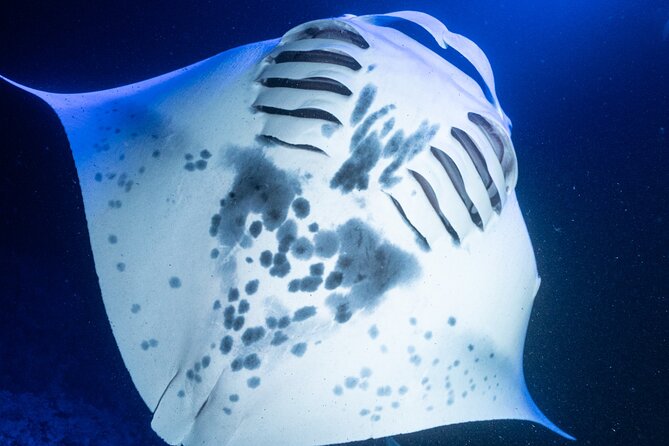
The first sight of a manta ray can be startling. The animal may approach from below, turn on its side, and pass directly under the board. Several rays may circle through the light, giving you repeated views from above.
The best way to improve the experience is to stay relaxed. Kicking hard, grabbing at the board, or trying to touch a ray can disturb the group and make it harder for everyone to see. Follow the crew’s instructions, keep your hands to yourself, and let the animals choose their distance.
The water session is not necessarily the full two hours. The advertised duration includes check-in, equipment preparation, the boat ride, and the return trip. Some outings have had about 30 minutes in the water, while rough conditions or delays may affect that timing. You should ask the crew for the expected water time during check-in rather than assume you will snorkel for the entire two-hour window.
A night snorkel can also be intimidating for children and first-time swimmers. This outing requires previous snorkeling experience, basic swimming skills, and the ability to follow spoken instructions in English. A child who is comfortable in a pool may still find the dark ocean, moving boat, and large animals overwhelming. The crew can provide flotation support, but this is not a learn-to-snorkel lesson.
Kahaluu-Keauhou and the return to harbor
Kahaluu-Keauhou is included as another point on the route, and the activity returns to the original meeting point. The exact time spent at each named area depends on sea conditions and manta activity, so think of the stops as part of the operating area rather than a sightseeing itinerary with fixed visit times.
The return is usually the least glamorous part of the outing. You may be wet, tired, and chilled by the breeze. Put on dry clothes as soon as possible, and bring a robe or warm layer if you are sensitive to cold. A towel is essential.
The activity ends back at the harbor, with no private transportation included. You will need to arrange your own way to Honokohau Small Boat Harbor and back to your hotel. The site is near public transportation, but confirm your return plans before booking a late departure.
Is $137 a fair price?
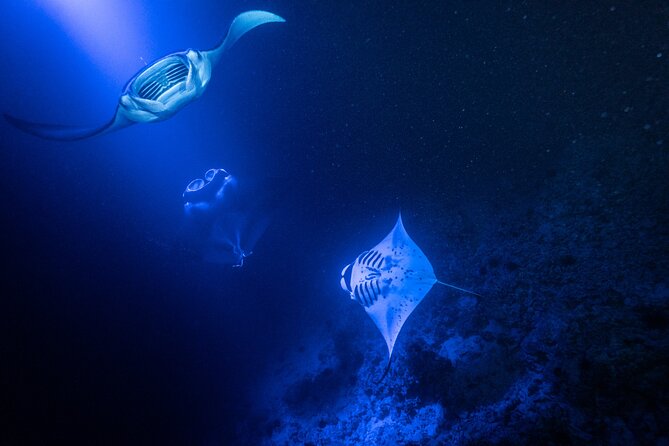
At $137 per person, this is a mid-priced wildlife outing rather than a cheap swim. The price includes the boat, wetsuit, mask, snorkel equipment, floating light board, and a Red Cross licensed in-water guide and lifeguard.
I think the value is good if you see several manta rays up close. The combination of a boat ride, equipment rental, safety support, and access to a nighttime feeding area would be expensive and complicated to arrange on your own. The small maximum group also helps justify the cost, though the actual boat may still feel busy.
The value is weaker if you see little wildlife or spend much less time in the water than expected. That is not always the operator’s fault, since manta rays and weather cannot be controlled, but it is still the financial risk you accept. There is no refund just because the rays do not appear.
A canceled trip caused by unsafe water conditions is different. If poor weather cancels the activity, you should be offered another date or a full refund. If the minimum number of people is not reached, the operator also offers an alternative or refund.
Where this tour works best, and where it falls short
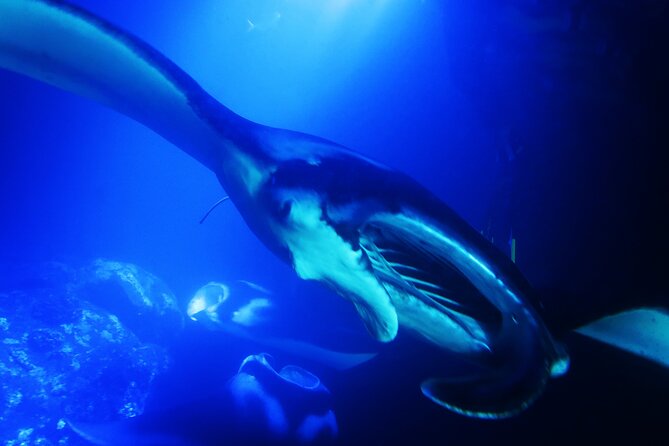
The strongest part is the wildlife encounter itself. When the rays show up, they can pass remarkably close, and the experience becomes far more memorable than an ordinary snorkel. The crew’s floating light method gives the animals a clear reason to gather near the surface, and the board provides a steady viewing position.
The sunset departure is another smart choice. It lets you see the Kona coast in changing light before the activity turns fully nocturnal. If you can choose among departure times, a 6:30 p.m. outing may give you both the coastal ride and the night setting needed for the lights to work.
The weak points are organization and comfort. A few outings have involved late staff arrival, missing wetsuits, limited explanations, or a boat that felt too crowded. Some people have also disliked the return ride because they were wet and underdressed.
Service matters more on an activity like this because you depend on the crew for calm instructions in dark water. If someone in your group is anxious, ask for a life jacket or extra flotation without hesitation. You should feel comfortable raising safety concerns, and the operator specifically invites you to request a life jacket in advance.
Who should book this Kona experience?
You are a good fit if you already snorkel, can swim in open water, and like wildlife encounters with a little uncertainty. Couples, families with confident older children, and small groups of friends can all enjoy it. The maximum of 18 people keeps it more manageable than a large boat operation, even though the boat may not feel spacious.
This is not the right pick if you need guaranteed wildlife, dislike cold rides, cannot climb a boat ladder independently, or have no previous snorkeling experience. It is also a poor match if you want a long, leisurely session in the water. The total outing lasts about two hours, but the actual snorkel portion may be much shorter.
Book early in your stay rather than on your final night. That gives you a chance to reschedule if weather cancels the trip or the manta rays fail to appear. You can cancel for a full refund up to 24 hours before the start time, but changes or cancellations inside 24 hours are not refunded.
Should you book the manta snorkel?
I would book this if swimming beside wild manta rays is high on your Big Island list and you accept that nature gets the final say. The chance to watch these large, gentle animals feed beneath a light board is unusual, and the included gear keeps the planning simple.
Choose a departure that gives you sunset views, pack warm clothes for the ride home, and arrive early for the equipment fitting. Most important, judge the experience by the wildlife encounter rather than expecting polished entertainment at every moment. If several rays arrive and the crew keeps the group safe, $137 can buy one of the most memorable evenings of your Kona stay.
FAQ
How long does the manta snorkel experience last?
The activity lasts approximately two hours. That includes check-in, equipment preparation, the 15 to 20 minute boat ride to the site, time in the water, and the return trip.
Where does the tour meet?
Meet at Snorkel Big Island, 74-380 Kealakehe Parkway, Kailua-Kona, Hawaii 96740, on the north side of Honokohau Small Boat Harbor. The activity ends at the same meeting point.
Is snorkeling equipment included?
Yes. The operator provides snorkeling equipment, a shorty wetsuit, and additional flotation if requested. A prescription snorkel mask is not included.
Do I need previous snorkeling experience?
Yes. Basic swimming skills and previous snorkeling experience are required. You must also be able to climb the boat ladder independently and understand safety instructions in English.
Are manta rays guaranteed?
No. Manta rays are wild animals, so their presence cannot be guaranteed. If no manta ray appears, you may be able to rebook for a fee, subject to availability. The operator does not offer a refund solely because the rays do not appear.
How many people can join the boat?
The maximum group size is 18 people. The boat has been described as 35 feet long, though some people may still find the space crowded.
What happens if bad weather cancels the activity?
If poor weather cancels the experience, you will be offered another date or a full refund. You can also cancel at least 24 hours before the start time for a full refund. Cancellations or changes made less than 24 hours before the start are not refunded.
Just added around Big Island of Hawaii
- Waikoloa Catamaran Snorkel Sail Including Lunch★ 4.5 · 105 reviews
- Two Tank Morning Reef Dive and Snorkel★ 5.0 · 54 reviews
- 2-Hour Dolphin Watching and Double Reef with Snorkel in Hawaii★ 5.0 · 23 reviews
- Ultimate Ocean Encounters Midday Snorkel★ 4.5 · 43 reviews
- Premium Kona Coast Morning Snorkel★ 5.0 · 179 reviews
- Sunset Cruise & Manta Night Snorkeling Charter★ 5.0 · 16 reviews
- Kona Luxury Catamaran Yacht Snorkel & Sail★ 5.0 · 40 reviews
- Dolphin, Sea Cave & Captain Cook Snorkel Combo in Kealakekua Bay★ 4.5 · 220 reviews
Big Island of Hawaii Snorkeling Tours, compared.
Big Island: Kona Manta Ray Snorkel Tour in Keauhou Harbor
Read our review →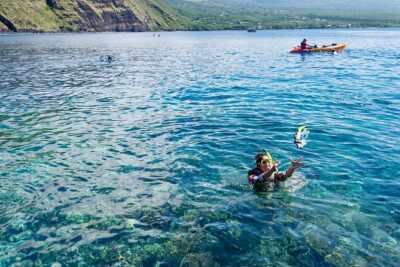
Big Island: Captain Cook Snorkel On A Power Catamaran With Lunch
Read our review →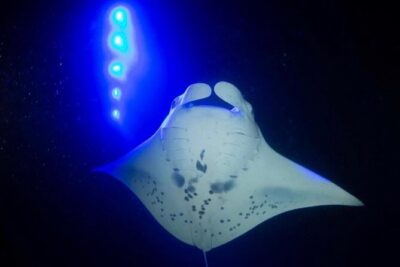
KONA Manta Ray Night Snorkel – FREE re-ride if no Sightings
Read our review →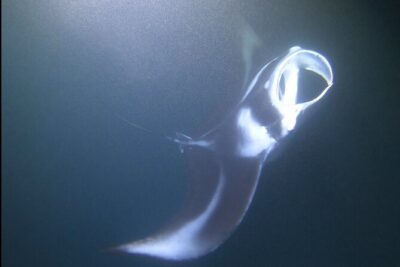
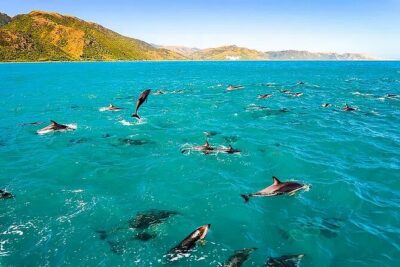
Kona Snorkel Tour: Captain Cook Reef Snorkel, Dolphin & Sea Caves
Read our review →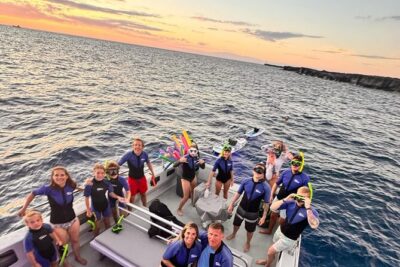
Glow of the Deep: Night Snorkeling with Manta Rays
Read our review →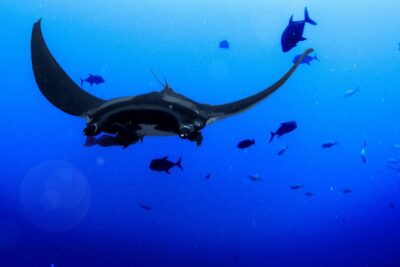
Manta Magic: Small-Group Manta Ray Night Snorkel in Kailua Kona
Read our review →Browse the lists this tour appears in