
REVIEW · THE USA
Ketchikan, Alaska: The Mountain Point Snorkeling Adventure
Ketchikan’s Mountain Point Snorkeling Adventure gives you an unusual way to see Alaska: from just below the water’s surface, among sea stars, urchins, sea cucumbers, fish and kelp. The surprise is the water temperature. In mid-summer, it can reach 65 degrees, and the full 7mm wetsuit, hood, boots and gloves keep you warm.
I like the heated changing rooms and secure storage, since you can arrive from the ship without hauling wet gear around town. I also like the small groups, capped at 10, and the PADI-trained guides who provide instruction rather than simply handing you a mask.
The catch is simple: this is rated Most Strenuous. You enter from a rocky beach, currents may be present, and getting around in thick neoprene takes effort. It is not a casual swim for every cruise passenger.
Key points to know before you book
- The water can reach 65 degrees in mid-summer: That is cool, but the 7mm wetsuit, hood, gloves and boots make the experience comfortable for many people.
- You spend about one hour in the water: The full three-hour schedule includes transport, changing, instruction and time at the shop.
- Mountain Point has two distinct settings: Shallow tide pools suit careful marine-life viewing, while steep underwater rock walls offer more active exploration.
- The group limit is 10 people: That gives the guide room to help beginners and keep an eye on the rocky entry.
- The tour is physically demanding: You need reasonable fitness, comfort in the water and the ability to manage a rocky shoreline.
- The downtown meeting point is convenient: Meet at the Liquid Sunshine Gauge beside the Ketchikan Visitors Center at Berth 2.
Why underwater Ketchikan feels so different
Most visitors see Southeast Alaska from a boat, a dock or a forest trail. Mountain Point offers a quieter view, one framed by kelp and rock instead of mountains and shoreline. You are not looking for tropical coral or bright reef fish here. The appeal is seeing familiar Pacific Northwest wildlife in its own cold-water setting.
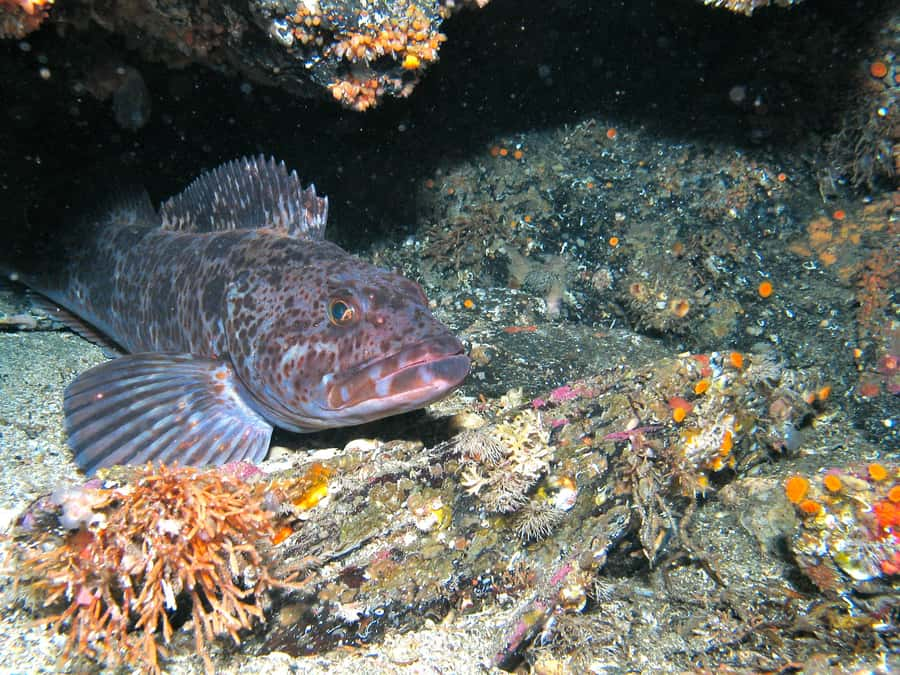
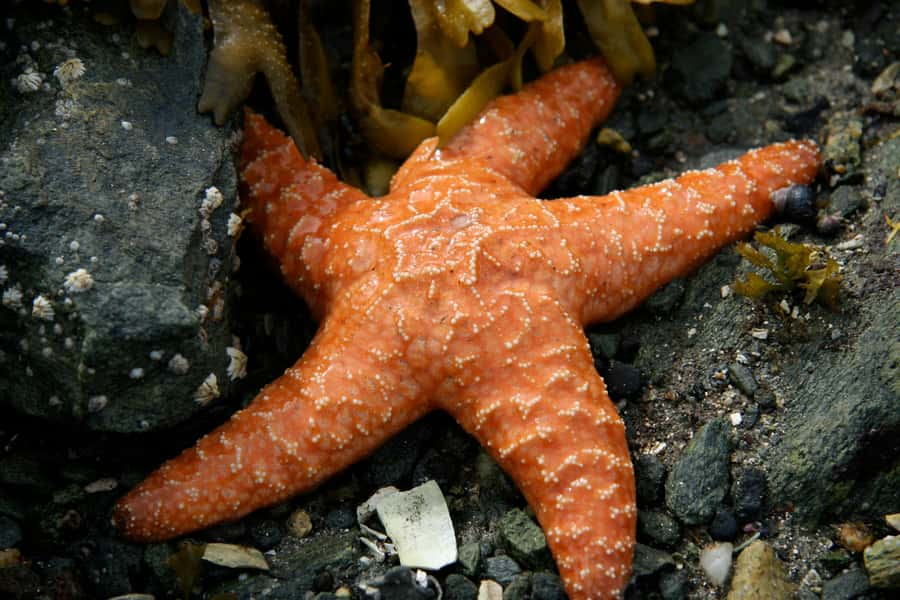
The shallow tide pools are the best part for close observation. You might spot multi-colored sea stars, sea urchins and sea cucumbers among the rocks. Fish and smaller invertebrates live around the kelp, and the guide points out what you are seeing rather than leaving you to guess through a fogged mask.
The site also has steep underwater rock walls. These add variety for stronger swimmers and for anyone interested in breath-hold exploration. Optional weight belts are available for that purpose, but you do not need to use one to enjoy the main guided tour.
The water is described as calm and clear, though conditions can change. One September outing had rougher water, so you should not picture a glassy pool every time. The rocky shoreline and possible currents are real parts of the experience.
A few more snorkel trips around the USA worth comparing
- Oahu: Grand Tour Around Island 16 Locations plus Snorkeling
★ 5.0 · 8,669 reviews - Big Island Manta Ray Night Snorkel
★ 5.0 · 5,656 reviews - Oahu’s Ultimate Tour: Dole, Turtle Snorkel, Pali Lookout & More
★ 4.5 · 5,461 reviews
The three-hour schedule, from Berth 2 to Mountain Point
Your outing begins at the Liquid Sunshine Gauge next to the Ketchikan Visitors Center at Berth 2. This is a useful meeting spot for cruise passengers because it is downtown and adjacent to the visitor center. Roundtrip transportation is included, so you do not need to arrange a taxi to the shore site.
The drive to Mountain Point includes a stop at the shop. There, you change into your gear in heated dressing rooms. This small detail matters more than it may sound. Putting on a thick wetsuit beside the water, especially in cool or wet weather, would be an unpleasant start. At the shop, you can change in comfort and leave personal belongings in secure storage.
The operator supplies nearly everything for the water portion: mask, snorkel, fins, a complete 7mm wetsuit, hood, boots and gloves. Scubapro Go Sport fins are provided, and prescription masks are available. You need to bring a swimsuit or other beachwear, a towel, a change of clothes and an extra pair of socks to wear under the wetsuit.
Before entering the water, the guide gives you instructions and helps with the equipment. This is important for beginners. A full wetsuit can feel stiff, and thick gloves reduce your hand control at first. You want clear advice on how to move, how to use the fins and how to deal with the rocky entry before you are standing at the waterline.
The in-water portion lasts about one hour. That may sound brief for a three-hour excursion, but the total schedule includes transportation, changing, equipment fitting, instruction and returning to the shop. The water time is the main event, not the entire clock time.
Afterward, you return to the shop, change out of the wetsuit and warm up with drinking water, tea, coffee or hot chocolate. Then transportation takes you back to the downtown meeting point and your ship area.
The gear makes cold-water snorkeling possible
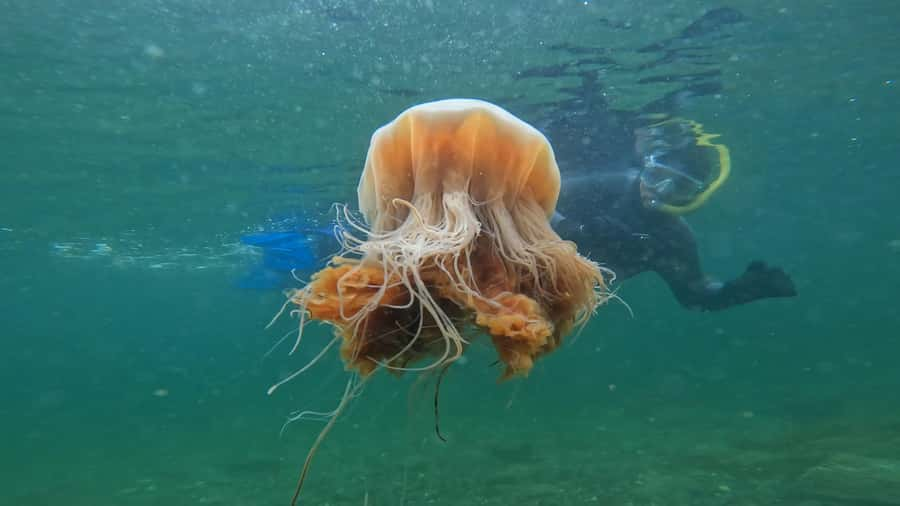
A 7mm wetsuit is thick. It is also the reason this activity can work in Alaska. The suit covers your body, while the hood, gloves and boots protect the parts most likely to feel cold. One recent participant said the wetsuit kept them from feeling cold at all, and another described the thick suit as a major reason they would recommend the outing.
You should still expect the gear to take some effort. Pulling on thick neoprene is harder than slipping into a swimsuit and a lightweight tropical suit. The same is true when walking in fins over a rocky beach. If you have limited mobility, back problems or are significantly out of shape, this setup may feel awkward and tiring.
Prescription masks are available, which is useful if ordinary masks make it difficult for you to see. The equipment list is strong for the price, and all core gear is included rather than added as a surprise cost at the shop.
Bring the extra socks. They are worn under the wetsuit boots and are specifically recommended. A towel and dry clothes are just as important after the water portion, when you will want to get out of the neoprene and warm up quickly.
What you see at Mountain Point
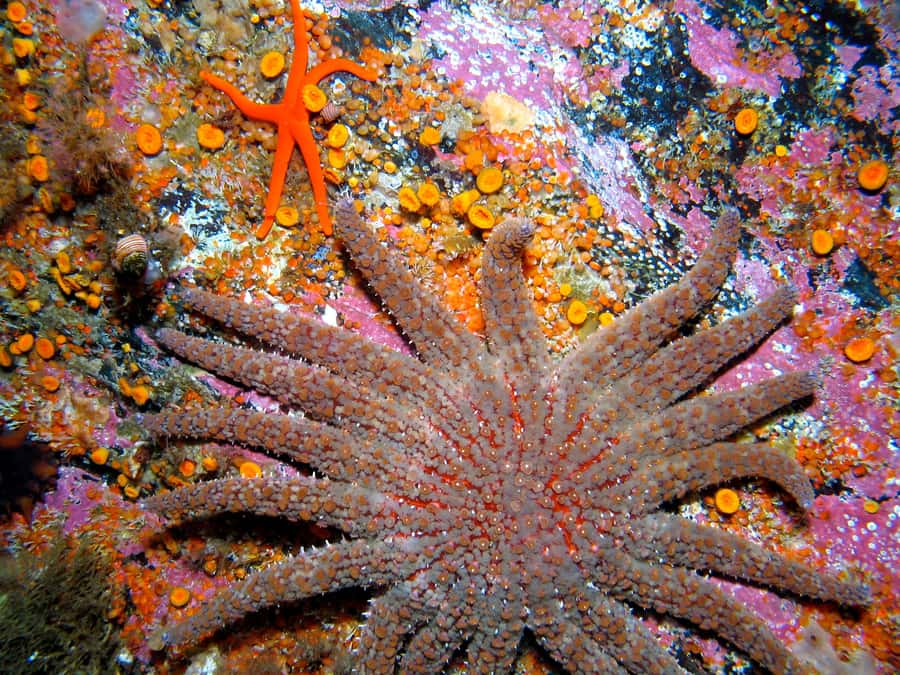
The marine-life tour is guided, so the experience is not only about swimming around and hoping something catches your eye. Your PADI professional identifies animals and explains what lives in the area. You may see sea stars in several colors, sea urchins, sea cucumbers, fish and other invertebrates.
There is also an educational element that makes the outing more memorable. The guide may discuss the animals you are looking at and allow you to handle some marine life under supervision. That close contact gives you a better sense of the shapes and textures than a quick glance through a mask.
The kelp forest is another key feature. Kelp gives the site structure, shelter and a different visual feel from an open sandy bottom. You will move above and around it while looking down into the water. Visibility and animal activity can vary, so the guide’s interpretation helps even when conditions are not perfect.
The shallow pools are a good match for people who want to examine marine life without spending all their time in deeper water. The rock walls provide more interest for experienced snorkelers and those who want to use the optional weight belt for breath-hold exploration.
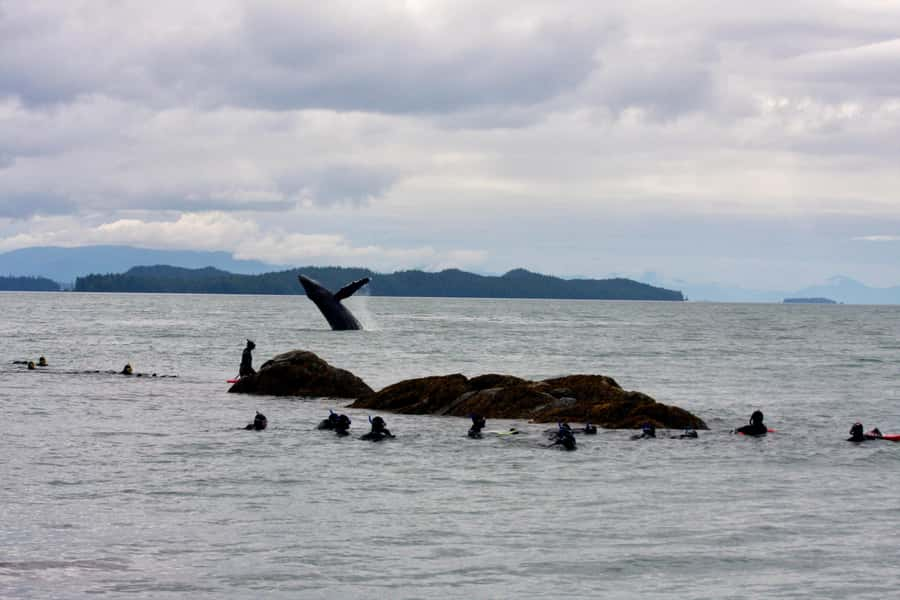
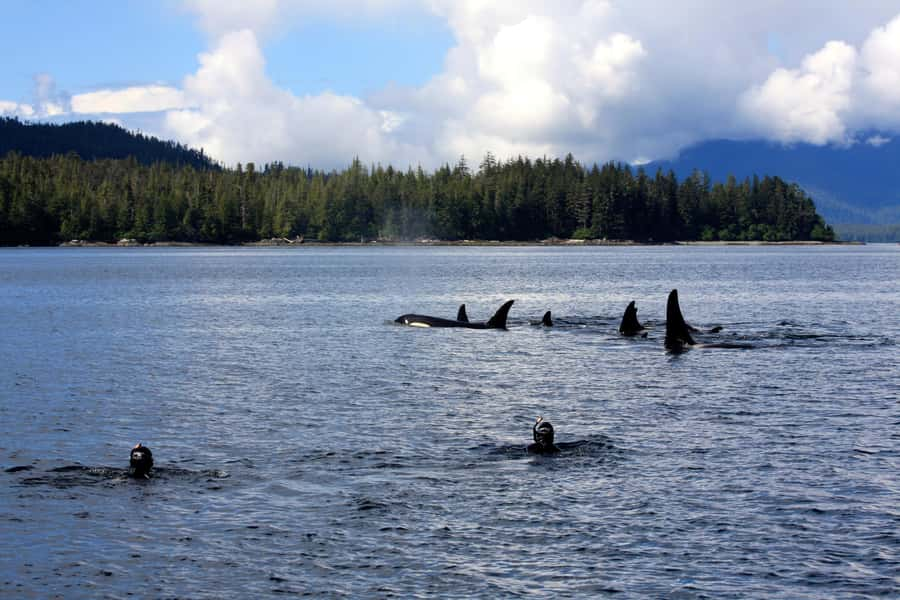
Do not book this expecting whales to appear beside you. Marine wildlife is never guaranteed, and one outing had no whales nearby. The main promise is the underwater habitat at Mountain Point, not a whale-watching trip.
Same water, a completely different day on the reef:
- Oahu Circle Island Tour with Turtle Snorkeling— Small-Groups
★ 5.0 · 5,214 reviews - Waikiki, Hawaii: Turtle Canyon Snorkel Excursion
★ 5.0 · 4,656 reviews - Shell Island Snorkel and Dolphin Catamaran Cruise with Island Time
★ 5.0 · 4,362 reviews - Turtle Canyon Snorkel Adventure in Waikiki, Oahu
★ 5.0 · 3,197 reviews
Guides, safety and the feel of a small group
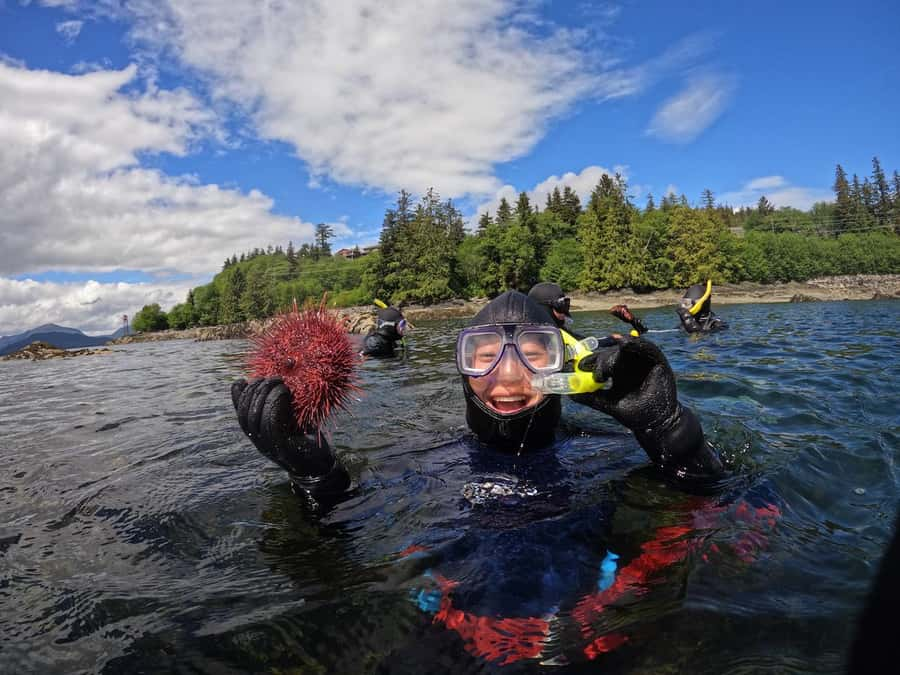
All guides are PADI professionals with credentials that include Snorkeling Tour Guide, Rescue Diver, Divemaster or SCUBA Instructor. They also hold CPR and First Aid certifications. You are not simply left to figure out the equipment on your own.
The small-group limit of 10 is useful here. A rocky entry needs attention, and beginners may need extra help with masks, fins or the first few steps into the water. A smaller group also makes it easier to hear the marine-life talk and stay near the guide.
The outing is described as suitable for beginners and experienced snorkelers, but that does not mean it is easy. The operator rates it as Most Strenuous. You should be reasonably fit, comfortable following water instructions and able to manage a rocky shore. The current can be present, and conditions may be rougher in September or on other changeable days.
You cannot participate if you have heart conditions, respiratory disorders, a history of seizures or fainting. The tour requires a signed waiver and may restrict participation based on medical conditions. The stated weight range is 80 to 260 pounds, and the suggested upper age is 65, depending on fitness. Children under eight are not accepted.
These rules may sound strict, but they fit the setting. This is cold-water snorkeling from a rocky beach, not a resort pool. If you are unsure about your fitness or a medical condition, ask the operator before booking rather than trying to decide at the meeting point.
Is $189 a fair price?
At $189 per person, this is not the least expensive way to spend three hours in Ketchikan. You are paying for more than water time, though. The price includes roundtrip transportation, equipment, heated changing facilities, secure storage, instruction, a one-hour guided tour and hot drinks afterward.
The wetsuit package alone is substantial. A hood, boots, gloves, mask, snorkel, fins and a full 7mm suit are all included. PADI professionals lead the outing, and the 10-person maximum gives you more support than a large shore excursion.
Value depends on what you want from Ketchikan. If you mainly want scenic views, a lower-cost walking tour may suit you better. If you want a rare activity that uses the local marine setting rather than simply looking at it, the price is easier to justify.
It is also a practical choice for cruise passengers with limited time. The meeting point is downtown, transport is included, and the operator provides clear arrangements for ship visitors. Still, check the departure time against your ship schedule and leave room for returning from the water. The stated duration is three hours, so this is not a quick activity to squeeze into a very narrow port call.
Who should book this Ketchikan outing?
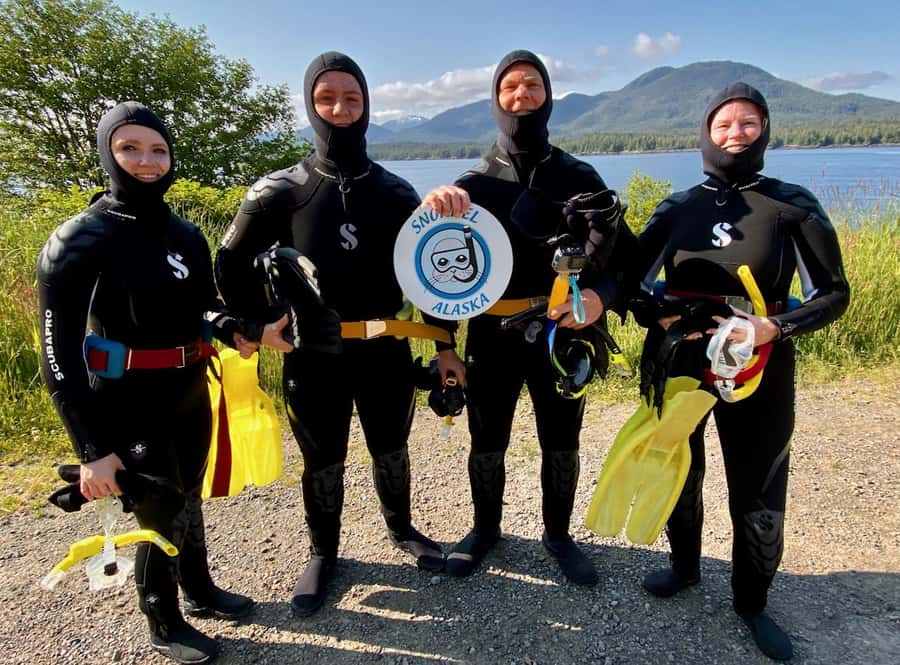
I would recommend it to confident beginners, regular snorkelers and active cruise passengers who want something more unusual than a standard shore walk. You do not need prior snorkeling experience, but you do need to be willing to learn, wear bulky equipment and enter from the rocks.
It is especially suitable if you like small groups and guided nature experiences. The marine-life talk adds purpose to the swim, and the shop’s heated rooms and hot drinks make the practical side easier.
I would not choose it for anyone with limited mobility, back trouble, heart or respiratory problems, epilepsy, a history of fainting or poor fitness. It is also not suitable for children under eight, anyone over 260 pounds, or most people over 65 under the stated participation rules.
This is not the right pick if you want guaranteed whales, a long swim or a gentle activity with no physical demands. It is a better match for someone who sees the rocky entry and cold-water setting as part of the adventure.
A few practical ways to prepare
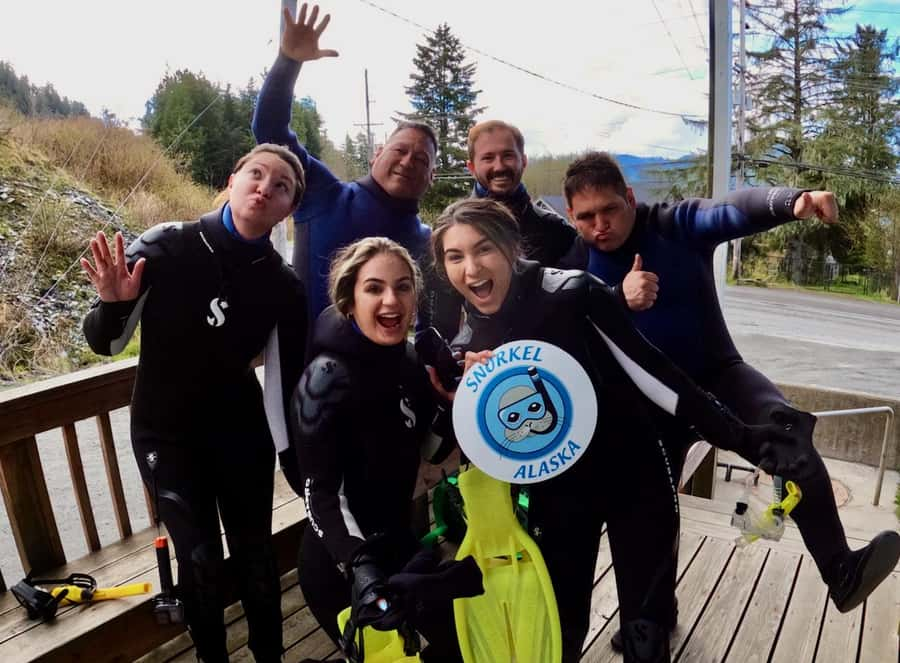
Wear your swimsuit or beachwear under your clothes when you meet the group. That saves time at the shop and makes changing easier. Bring a towel, dry clothes and the extra socks requested for under the wetsuit boots.
Do not skip breakfast or arrive dehydrated. The excursion is rated strenuous, and moving in thick neoprene requires more work than a normal swim. Drinking water is provided, along with tea, coffee and hot chocolate after the tour.
Listen carefully to the shoreline instructions. The water may be calm, but currents can occur, and the rocks are not the place to rush. Let the guide set the pace, especially if you are new to fins or cold-water snorkeling.
Should you book Mountain Point Snorkeling Adventure?
Book it if you want to see Ketchikan from an unusual angle and are comfortable with a physically demanding shoreline entry. The warm full-body suit, skilled guides, small group and included transport make this a well-supported way to try cold-water snorkeling.
Skip it if your priority is an easy port-day activity, if you have any listed medical restriction or if walking over rocks is difficult. For the right participant, $189 buys a distinctive three-hour outing and a genuine look at Alaska’s underwater life, not a tropical imitation.
FAQ
Where does the tour meet?
Meet at the Liquid Sunshine Gauge beside the Ketchikan Visitors Center at Berth 2 in downtown Ketchikan.
How long does the snorkeling adventure last?
The complete activity lasts three hours. About one hour is spent on the guided marine-life tour in the water.
What equipment is included?
The operator provides a 7mm wetsuit with hood, boots and gloves, plus a mask, snorkel and fins. Prescription masks and optional weight belts for breath-hold exploration are also available.
How warm is the water?
Water surface temperatures can reach about 65 degrees in mid-summer. The full 7mm wetsuit system is provided to help keep you warm.
What should I bring?
Bring a towel, swimsuit or other beachwear, a change of clothes and an extra pair of socks to wear under the wetsuit boots.
Is the activity suitable for beginners?
Yes. The tour includes full instruction and in-water supervision, and it is designed for beginners as well as experienced snorkelers. You still need reasonable fitness and comfort with a rocky beach entry.
What is the maximum group size?
The tour is limited to 10 participants.
Are there age, weight or medical restrictions?
Children under eight are not accepted, and the stated weight range is 80 to 260 pounds. The activity is not suitable for people with back, heart or respiratory problems, epilepsy, limited mobility or a history of seizures or fainting. The suggested upper age is 65, depending on fitness.
Just added around the USA
- Boca Raton Premium Jet Ski Tour – Optional Snorkeling/Lighthouse★ 5.0 · 9 reviews
- Waikoloa Catamaran Snorkel Sail Including Lunch★ 4.5 · 105 reviews
- Two Tank Morning Reef Dive and Snorkel★ 5.0 · 54 reviews
- 2-Hour Dolphin Watching and Double Reef with Snorkel in Hawaii★ 5.0 · 23 reviews
- Ultimate Ocean Encounters Midday Snorkel★ 4.5 · 43 reviews
- Premium Kona Coast Morning Snorkel★ 5.0 · 179 reviews
- Sunset Cruise & Manta Night Snorkeling Charter★ 5.0 · 16 reviews
- Kona Luxury Catamaran Yacht Snorkel & Sail★ 5.0 · 40 reviews
the USA Snorkeling Tours, compared.
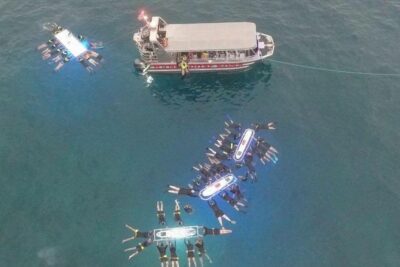
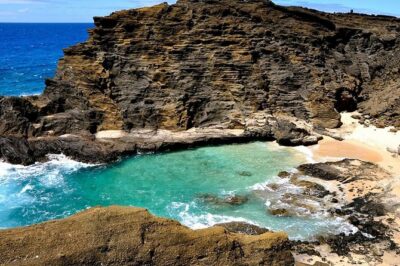
Oahu’s Ultimate Tour: Dole, Turtle Snorkel, Pali Lookout & More
Read our review →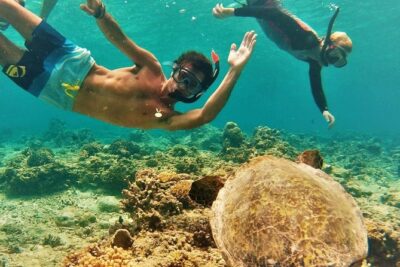
Oahu Circle Island Tour with Turtle Snorkeling— Small-Groups
Read our review →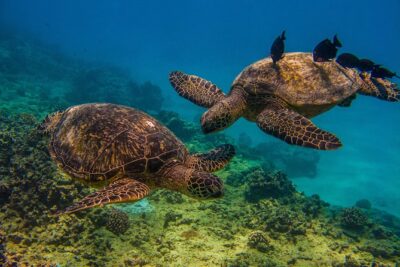
Waikiki, Hawaii: Turtle Canyon Snorkel Excursion
Read our review →
Shell Island Snorkel and Dolphin Catamaran Cruise with Island Time
Read our review →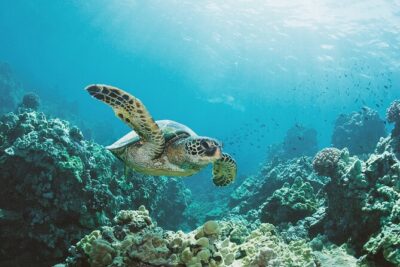
Turtle Canyon Snorkel Adventure in Waikiki, Oahu
Read our review →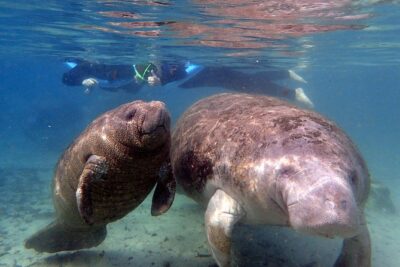
The ‘OG’ Manatee Snorkel Tour with In-Water Guide/Photographer
Read our review →
Big Island: Kona Manta Ray Snorkel Tour in Keauhou Harbor
Read our review →Browse the lists this tour appears in