REVIEW · GUIDED
Cape Town: Great African Sea Forest Guided Snorkel
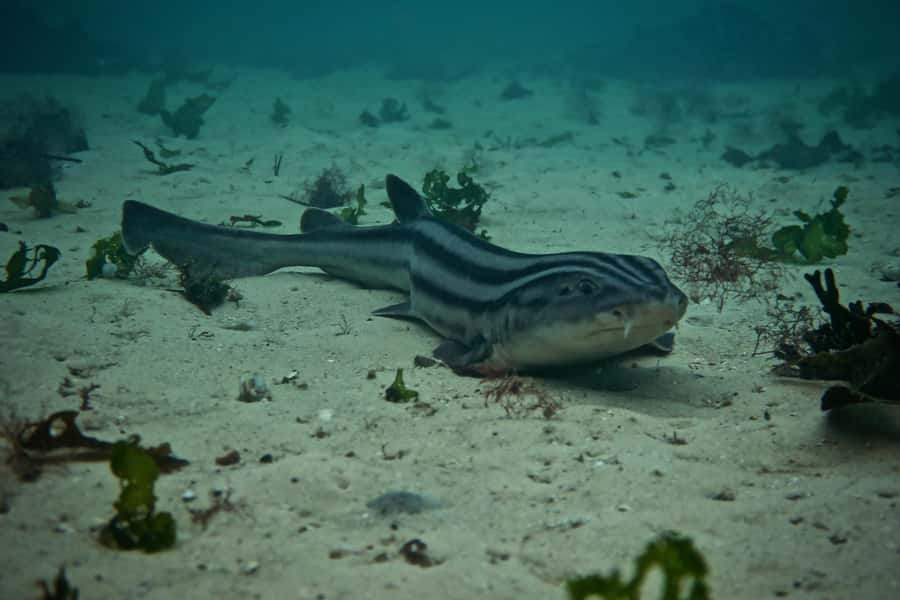
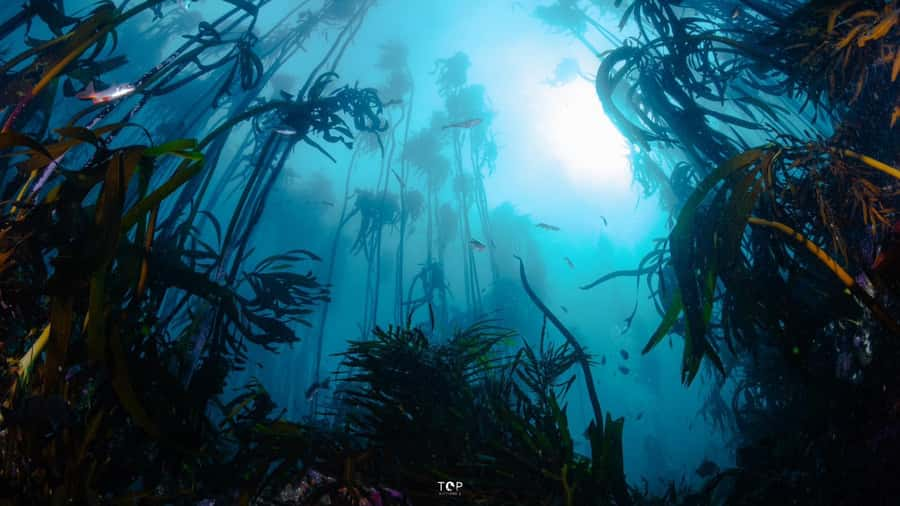
The most unusual part of this Cape Town outing is that you are not simply looking at sea life. You help with shark photo identification research while swimming through the Great African Sea Forest, a thick underwater world of kelp, urchins, starfish, octopus, and small endemic sharks. The marine biologist leading you explains what you are seeing, not just where to point your mask.
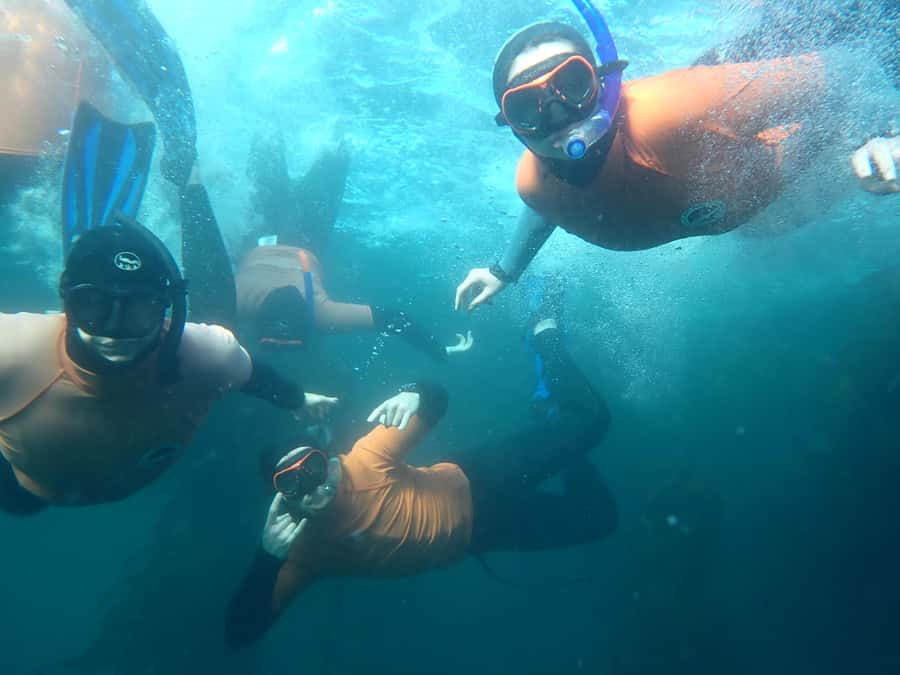
I like the strong science lesson before and after the water session, and I like the small groups, capped at eight people. Guides such as Mark the Shark, Danni, Danny, and Megan have made this experience feel personal and well supervised. You also receive underwater photos and access to the FinSpotter app for later shark sightings.
The main consideration is the water itself. This is not a warm, open tropical reef with an unobstructed view from the surface. Kelp can be thick, and seeing the seabed may require you to move through it or briefly swim below the surface. Shark sightings are a goal, not a promise.
Key points at a glance
- You assist with shark research: Look for an endemic small shark and collect photo identification for an active conservation project.
- The kelp forest is the star: Expect tall swaying kelp, not coral, with sea urchins, starfish, octopus, abalone, and other local life.
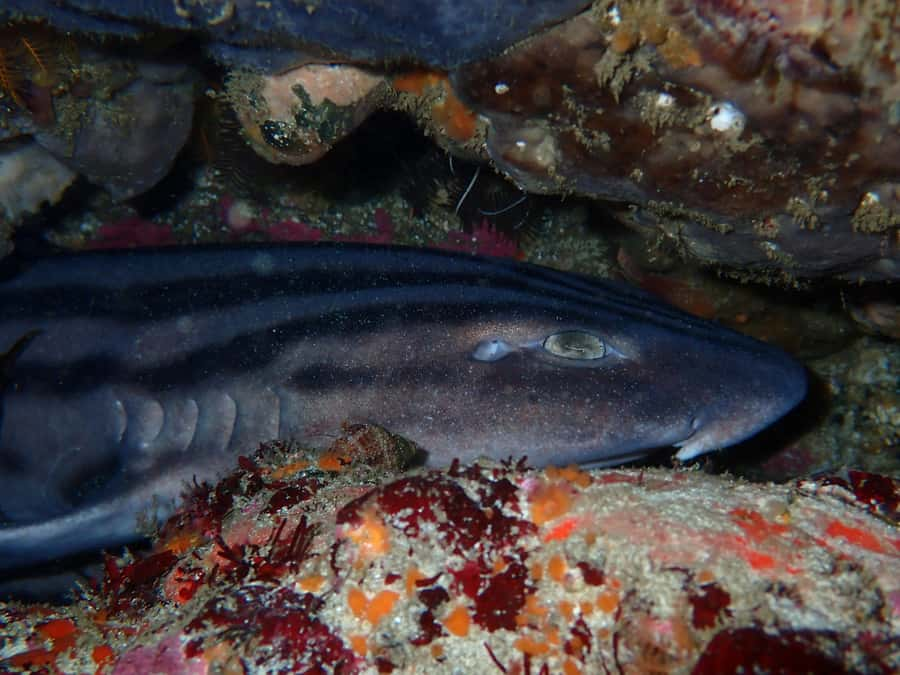
- Marine biologists lead the session: Guides explain how octopus hunt, where shysharks hide, and why urchins sometimes wear objects as hats.
- The group stays small: With no more than eight participants, it is easier to ask questions and get help in the water.
- The outing lasts two hours: Equipment, an area briefing, underwater photos, and a marine biologist guide are included in the $74 price.
- Conditions affect the experience: The activity runs in rain or sun, and the number of animals you see depends on the day and the sea.
Why Cape Town’s kelp forest feels so different
Cape Town’s Great African Sea Forest is not a coral reef dressed in South African colors. It is a living kelp habitat, with tall strands moving in the water and creating a maze for small marine animals. The setting can look mysterious and slightly wild, which is exactly why a guide adds so much value.
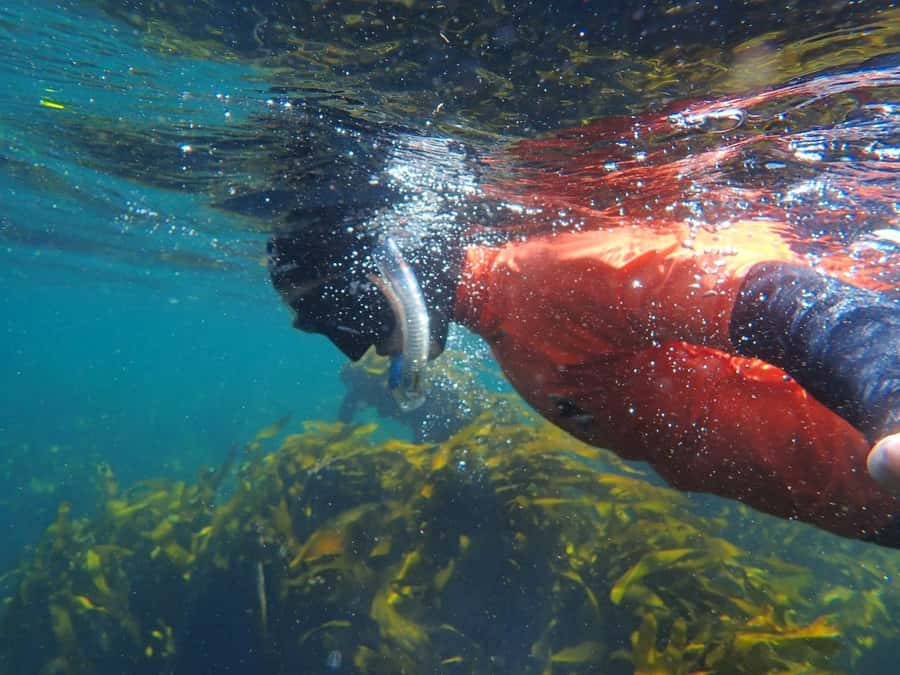
From the surface, you may first notice the kelp and patches of open water. Look more closely and the forest begins to reveal smaller life: sea urchins, starfish, abalone, shysharks, and perhaps an octopus tucked into cover. The guides point out animals that can be easy to miss when you are managing a mask, snorkel, fins, and unfamiliar water.
The session also explains behavior, not just names. You learn how octopi hunt, where shysharks tend to hide, and why sea urchins sometimes carry shells or other objects on their backs. Those details give you a better chance of spotting life for yourself instead of waiting for the guide to find everything.
More guided snorkel trips in the world:
- San Juan Guided Snorkel With Turtles Tour and Videos
★ 5.0 · 12,947 reviews - Dubrovnik: Sea Kayaking&Snorkelling Guided Day/Sunset Tours
★ 4.9 · 2,869 reviews - The ‘OG’ Manatee Snorkel Tour with In-Water Guide/Photographer
★ 5.0 · 2,539 reviews
The briefing sets the tone
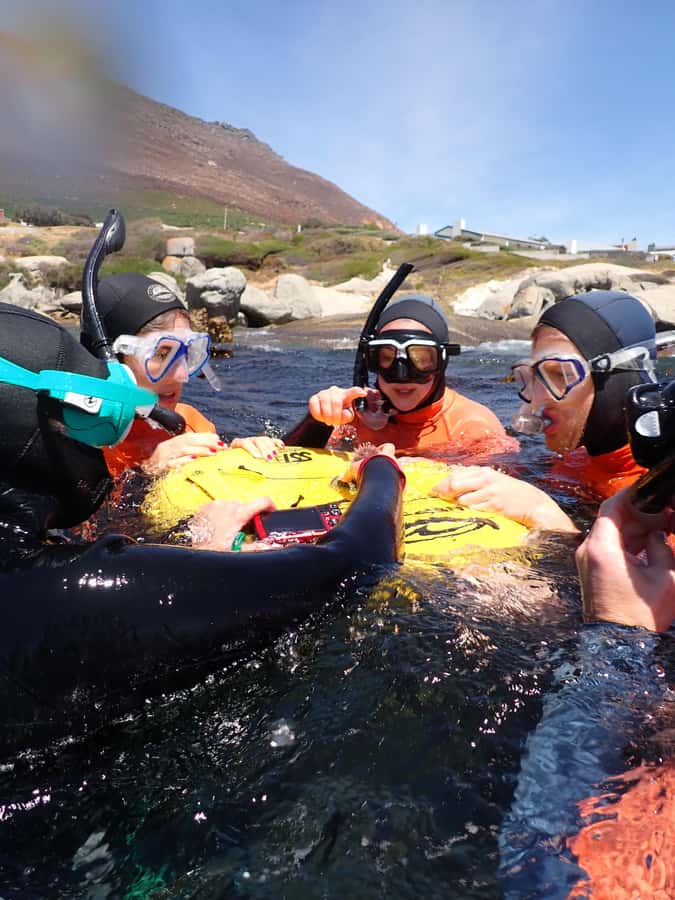
Meet inside the Cape RADD Dive Center on the shore of False Bay. Before getting into the water, your marine biologist gives you an in-depth briefing about the local ecosystem, safety, the snorkeling plan, and the shark research project.
This introduction is one of the strongest parts of the activity. It explains why the kelp matters and gives the research work a clear purpose. You are not being asked to collect animals or handle wildlife. Instead, you help look for a particular shark and gather useful photographic information.
The guide also helps set realistic expectations. The water may be calm and clear enough for a rewarding session, but visibility and animal sightings can change. The activity operates in rain or sun, so this is not a weather-proof indoor attraction. Bring swimwear and a towel, and plan for the possibility that the sea will feel colder or rougher than expected.
You do not need a high level of fitness, but you should be able to swim or feel comfortable in the water. That distinction matters. This is a guided snorkel, not a pool lesson, and the kelp may make movement feel less simple than a standard beach swim.
Getting fitted with the right equipment
Cape RADD provides the mask, snorkel, fins, and wetsuit. Good equipment matters here because the water and kelp demand more attention than a calm tropical lagoon. A well-fitting mask helps you focus on wildlife instead of adjusting your gear every few minutes.
Allow yourself time to settle into the equipment and the water. One guide may begin in shallower water so the group can get comfortable before moving farther through the forest. That gradual start works well for people who have snorkeled before but are new to kelp.
The tradeoff is that the shallow section may feel slow for confident swimmers. One participant wanted more time in deeper water, especially after reaching an area around five to six meters deep. That is useful advice if you are hoping for a more adventurous session. The shallow introduction, however, can make the outing much friendlier for people who are less confident in open water.
There has also been a complaint about a short ride in the back of a truck, where the black surface became hot for people without shoes. It is a small part of the outing, but wear or carry something for your feet when practical.
Swimming beneath the Sea Forest
Once you enter the water, the kelp changes the rhythm of snorkeling. You may need to move around stems, look down between strands, and adjust your position to see what lies below. Staying entirely at the surface can limit your view of the seabed, especially when the forest is thick.
That does not mean you need advanced underwater skills. The activity does not require a high fitness level, and your guide remains with the group. Still, you should be comfortable with the basic demands of snorkeling and understand that this is not a clear, open view in every direction.
The kelp itself is worth watching. It sways around you and shelters smaller creatures, giving the water a sense of motion even when the sea is calm. The experience is more about careful looking than racing from one sighting to the next.
Guides have pointed out sea life ranging from colorful urchins and starfish to abalone and small sharks. Octopus sightings are possible, and finding one can be a highlight because the animal may blend into the surroundings. A guide who knows the area can spot shapes and movement that you might pass without noticing.
A few more snorkel trips around the world worth comparing
- Oahu: Grand Tour Around Island 16 Locations plus Snorkeling
★ 5.0 · 8,669 reviews - Tenerife: Kayak and Snorkel with Turtles, Wetsuits Included
★ 4.6 · 7,215 reviews - ️Nusa Penida by Private Boat – Snorkeling 4 spots, Swim with Mantas + Land Tour
★ 5.0 · 6,424 reviews - Big Island Manta Ray Night Snorkel
★ 5.0 · 5,656 reviews
The shark research portion
The shark work gives this snorkel a clear purpose. You help search for a friendly endemic shark species and take or assist with photo identification. The information contributes to ongoing marine research and conservation efforts.
That role is simple enough for a visitor to understand, but meaningful enough to make the outing more than a wildlife viewing session. The guide explains what to look for and helps identify the shark. You are not promised a sighting, and one outing recorded plenty of small sea life without finding a shark.
When the search works, it can be memorable. Several sessions have included small sharks, and one group saw a shark being studied by the team along with an octopus and other animals. The experience also gives you access to the FinSpotter app, which helps you keep track of shark sightings after the tour.
The Ocean Ambassador title is an added recognition for helping with the research. It should not be treated as a formal qualification, but it is a nice way to mark your contribution and remind you that conservation can include ordinary visitors.
What the guides add to the two hours
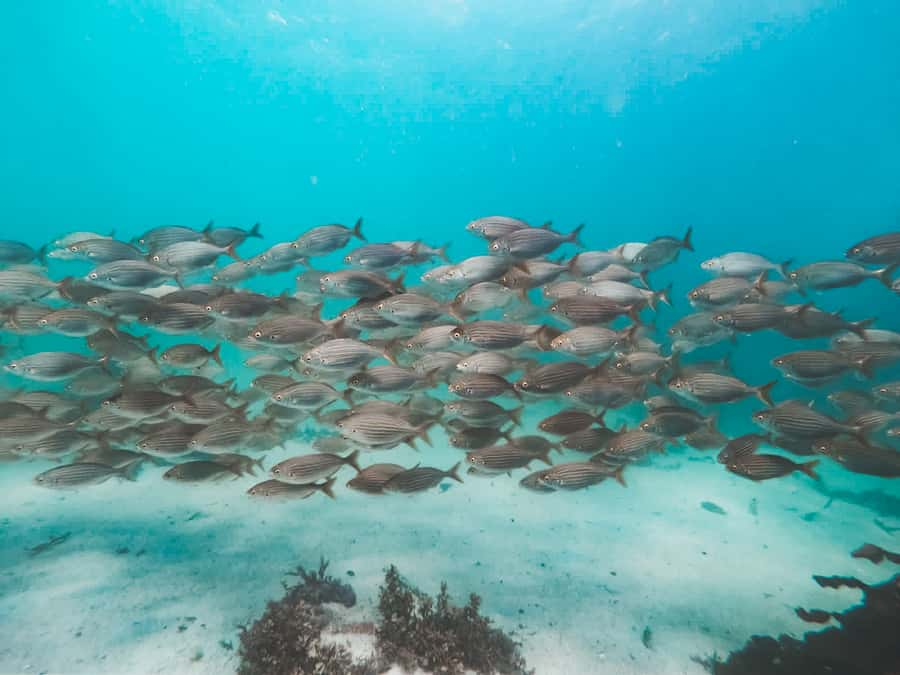
The marine biologist makes the difference between a pleasant swim and a useful nature experience. Mark the Shark has led sessions with a clear introductory talk and careful support in the water. Danni and Danny have been praised for their strong understanding of the area and marine ecosystem, while Megan has provided a particularly well-regarded guiding experience and included photos.
You may not get one specific guide, so it is best to focus on the standard of instruction rather than expect a named person. The guides explain local ecology, point out animals, answer questions, and help less confident swimmers manage the kelp.
The teaching continues after the water session. That matters because you can connect what you saw to the larger conservation picture. Instead of leaving with only a few animal names, you come away with a better sense of how kelp habitat supports local marine life and why shark records are useful.
Photos, small groups, and the value of $74
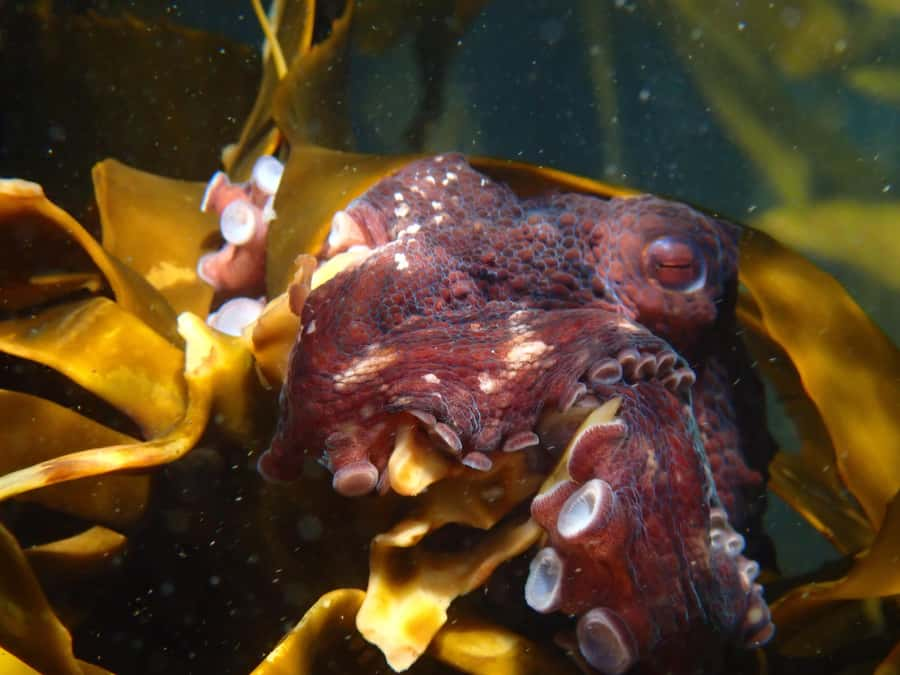
At $74 per person, this is not the cheapest way to enter the sea, but the price includes more than equipment rental. You receive a marine biologist guide, a detailed briefing, snorkeling equipment, underwater photos, and participation in a research project.
The small group limit of eight is important. A crowded snorkel can turn wildlife watching into a search for space. Here, the guide has a better chance of keeping track of everyone, pointing out animals, and answering questions. It also makes the research task more practical.
The two-hour duration is enough for an introduction, equipment preparation, the water session, and follow-up information. If you want a long, free-form swim, it may feel short. One participant would have preferred another 15 minutes in the water, while also recognizing that colder conditions might have made extra time less appealing.
For me, the value is strongest if you want context and instruction. If your only goal is to spend as long as possible in the water, a regular snorkel rental may suit you better. If you want to understand the habitat and help with a real project, the price is easier to justify.
Who should book this Cape Town snorkel
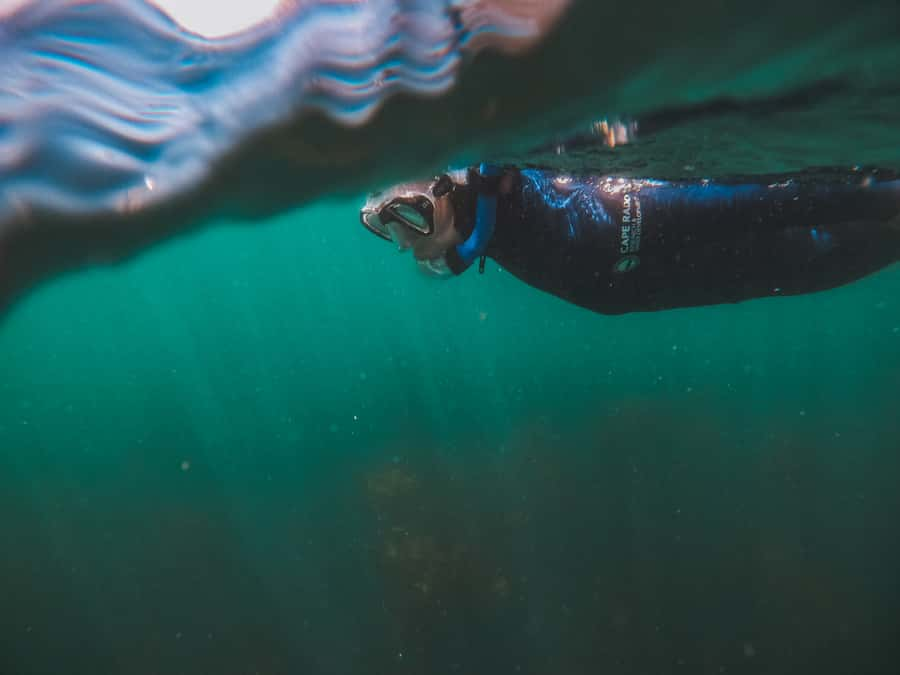
I would choose this for curious adults and families with children aged 10 and up who want marine life explained by a specialist. It suits people who enjoy nature activities with a conservation angle and do not need a guarantee of a particular animal.
It is also a good choice for first-time kelp snorkelers who want support. The briefing, small group, and guide presence can make it easier to build confidence. Several participants found the careful instruction reassuring enough to snorkel independently in kelp later.
You should think twice if you strongly prefer warm tropical water, coral reefs, or a wide-open view from the surface. This is a South African kelp forest, and it asks you to look carefully and sometimes work around the vegetation. People who are not comfortable in water should not book, even though the outing does not demand a high fitness level.
The activity is not suitable for children under 10, pregnant women, people with mobility impairments, or people over 95. English is the listed instruction language.
Practical details before you go
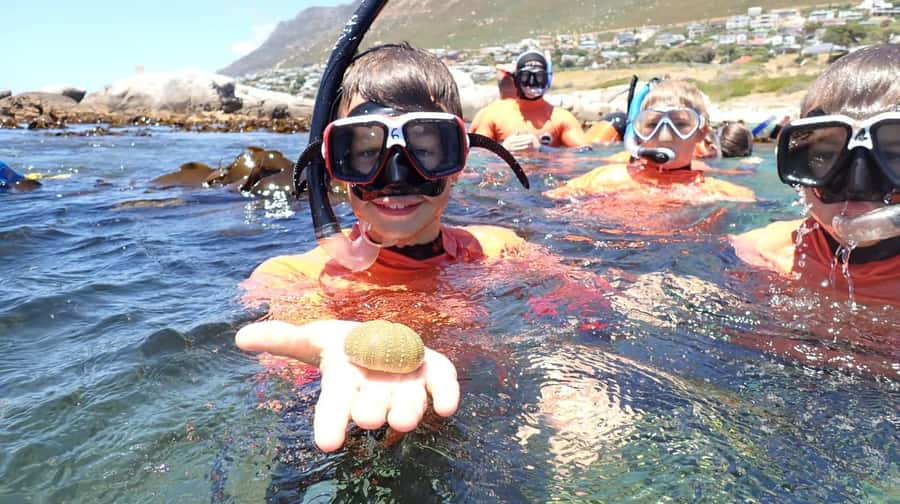
The tour meets at Cape RADD Dive Center on the shore of False Bay. Bring swimwear and a towel. Equipment is supplied, including the wetsuit, but you should arrive ready to get wet and spend time in an exposed coastal setting.
Check the starting time when booking, since the two-hour activity has scheduled availability. You can cancel up to 24 hours ahead for a full refund, and the reserve-now, pay-later option lets you hold a place without paying immediately.
The sea can change the feel of the outing. One session may provide warmer water and easy sightings, while another may offer less visibility or no sharks. That is part of the honest bargain here: the guide, instruction, equipment, and research work are dependable, but nature controls the cast.
Should you book the Great African Sea Forest snorkel?
Book it if you want a guided wildlife experience with a purpose, not just a swim. The best reasons are the marine biology briefing, the small group, the chance to see octopus and small sharks, and the opportunity to support shark research.
Go in expecting kelp, not coral, and accept that a shark sighting is never guaranteed. If you are comfortable in the water and willing to look closely, this two-hour Cape Town activity offers strong value at $74, with the photos and conservation work adding more substance than a standard snorkeling trip.
FAQ
Where does the snorkel meet?
Meet inside the Cape RADD Dive Center on the shore of False Bay.
How long does the activity last?
The guided snorkeling experience lasts two hours.
How much does it cost?
The listed price is $74 per person.
What equipment is included?
A mask, snorkel, fins, and wetsuit are provided.
Is a marine biologist included?
Yes. A marine biologist leads the activity and gives an in-depth briefing about the area and the water session.
Will I definitely see a shark?
No. The group searches for a friendly endemic shark species, but sightings depend on conditions and the animals present that day.
What marine life might I see?
Possible sightings include sea urchins, octopus, starfish, abalone, shysharks, and small sharks.
Do I need to be a strong swimmer?
You need to be able to swim or feel comfortable in the water. The activity does not require a high fitness level.
What should I bring?
Bring swimwear and a towel.
Can children join the activity?
Children must be at least 10 years old. The activity is not suitable for children under 10.
Just added around the world
- Blue Grotto and Capri Boat Tour with Aperitivo Swim and Snorkel★ 4.5 · 47 reviews
- Cancun Whale Shark Experience with Snorkel & Transportation★ 4.5 · 23 reviews
- Land & Sea Adventure to Soufriere/Snorkelling/Mudbath/Lunch★ 5.0 · 106 reviews
- Xelha Snorkel Adventure! Gorgeous & Natural From Playa Del Carmen★ 4.5 · 10 reviews
- Lérins Islands sailing discovery, snorkeling and paddle SUP★ 4.5 · 10 reviews
- Tulum Akumal Snorkel Tour and 4 Cenotes Small Group All Fees Incl★ 5.0 · 28 reviews
- Snorkel, Breakfast, Buffet, Drinks, Xel-ha All Included!★ 4.5 · 17 reviews
- Jungle Tour Adventure in Cancun with Snorkeling★ 3.0 · 10 reviews
Guided, compared.
San Juan Guided Snorkel With Turtles Tour and Videos
Read our review →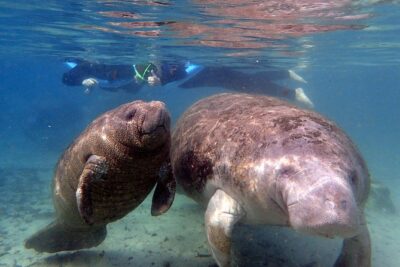
The ‘OG’ Manatee Snorkel Tour with In-Water Guide/Photographer
Read our review →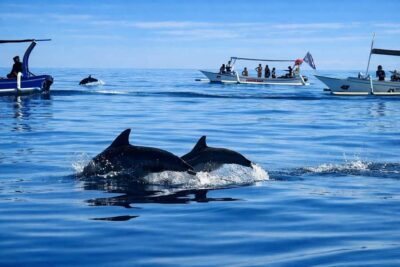
Bali/Lovina: Guided Dolphin Watching & Sunrise Boat Snorkel
Read our review →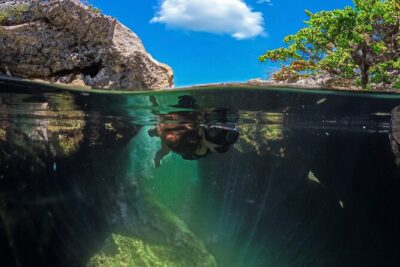
Tulum Guided Tour, Magical Cenote, Lagoon Snorkeling and Beachside Lunch
Read our review →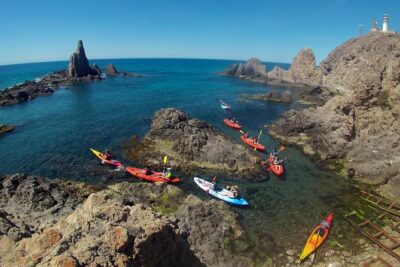
Cabo de Gata Active. Guided kayak and snorkel route through coves of the Natural Park
Read our review →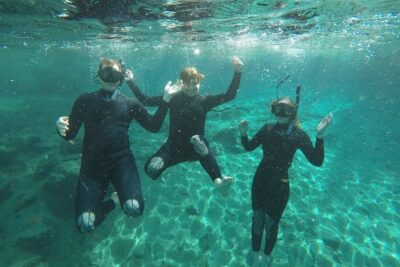
Guided Small Group Manatee Snorkeling Tour with In-Water Photographer
Read our review →
Curieuse Guided Tour, St Pierre, BBQ & 2 Snorkel Stops
Read our review →