
REVIEW · AUSTRALIA
Byron Bay: Snorkelling Tour of Julian Rocks “Nuthungulli”
Julian Rocks, known locally as Nuthungulli, packs an astonishing amount of marine life into a small patch of water off Byron Bay. In roughly two and a half hours, you take a fast boat from Brunswick Heads, snorkel in a protected marine sanctuary, and search for turtles, leopard sharks, rays, and clouds of fish.
I like the small group feel, with groups reported at around 10 people, and I like having a marine biologist in the water to point out animals you could easily miss. The short boat ride is part of the fun, too, but choppy conditions can make it uncomfortable, and you must already feel at ease swimming in open water.
Key points at a glance
- Julian Rocks is a meeting place for marine life: Warm tropical water and cooler temperate water meet here, creating an unusually productive habitat.
- Leopard sharks are a real possibility: The shallow site is known for regular sightings, along with turtles, rays, wobbegong sharks, and large fish.
- The boat ride adds real character: The 15-minute trip on Wardjum can be smooth and quick, or bumpy and exhilarating when the sea is lively.
- Guides make the difference: Guides such as Scott, Will, Cristiana, Michael, Kai, and others have been praised for spotting wildlife and supporting less confident swimmers.
- Seasonal sightings help you choose your date: Humpback whales are commonly seen from June to November, while manta rays and leopard sharks are more likely from November to May.
- This is not a learn-to-swim trip: Pool noodles are available, but flotation jackets are not provided for non-swimmers.
Why Nuthungulli is such a special snorkelling site
Julian Rocks lies off Byron Bay, close to the most easterly point of mainland Australia. Its location brings together warmer tropical currents and cooler temperate water. That mix supports an impressive variety of sea life in one compact sanctuary.
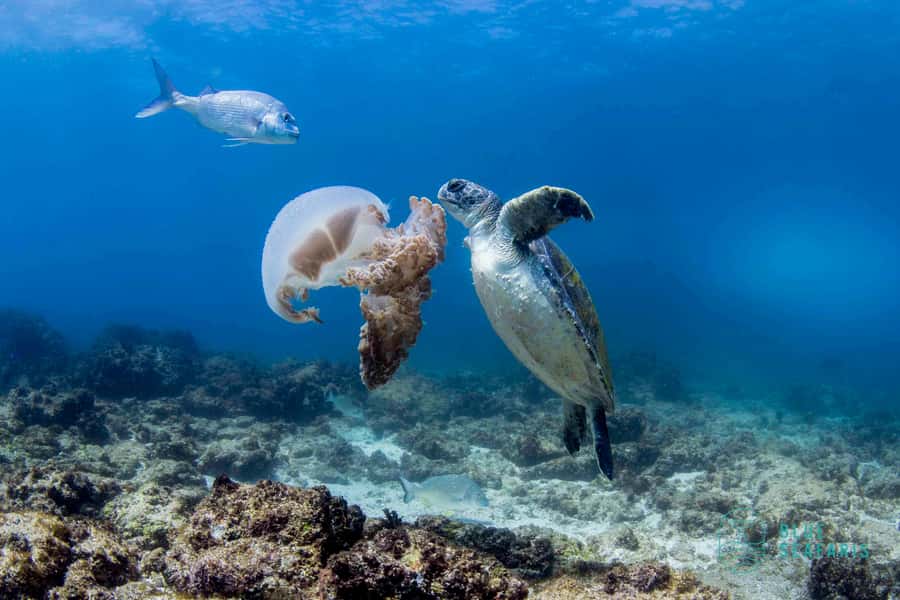
The site is also relatively shallow and protected, making it suitable for snorkelling and breath-hold swimming when conditions are good. You may see turtles resting near the rocks, leopard sharks moving across the sandy bottom, rays gliding through the water, and schools of smaller fish weaving around the reef.
The word prolific is not an exaggeration here, but wildlife is still wildlife. One trip may produce turtles, rays, sharks, and dolphins. Another may bring plenty of fish but no manta ray. The guides work hard to locate animals, yet no responsible operator can promise a particular sighting.
That uncertainty is part of the deal. It also means the guide’s skill matters. You are not simply dropped at the rocks and left to search alone. The guide watches the group, points out animals, and helps you understand where to look.
A few more snorkel trips around Australia worth comparing
- Ocean Rafting: Whitehaven Beach, Snorkelling & Hill Inlet Lookout
★ 5.0 · 4,777 reviews - Great Barrier Reef Snorkeling and Diving Cruise from Cairns
★ 4.5 · 3,714 reviews - Whitehaven Beach and Hill Inlet Lookout Snorkeling Cruise
★ 5.0 · 2,953 reviews
From Brunswick Heads harbor to the open sea
You meet at 43 Harbour Way in Brunswick Heads, about 15 minutes north of Byron Bay and about 30 minutes south of Coolangatta. Look for the large Blue Seafaris banner at the harbor and park nearby.
This location matters if you are staying in central Byron Bay. The tour does not leave from Byron’s main beach, so you need your own way to Brunswick Heads. Allow enough time for the drive, parking, and check-in rather than cutting it close.
The boat, called Wardjum, is a comfortable speedboat. The name comes from Bundjalung language and refers to a mythical sea creature. The ride to Julian Rocks takes about 15 minutes, giving you a quick burst of open-water travel before the snorkelling begins.
Several outings have included dolphins near the route. When dolphins appear, the skipper may slow down or make a short detour so you can watch them. From June through November, humpback whales may also be visible from the boat. Keep your eyes open, but treat these encounters as bonuses rather than guaranteed parts of the trip.
If the sea is choppy, the crossing can be bouncy. Some people love charging over the waves, while others may want seasickness medication. One practical tip is to bring a towel or warm jacket for the return trip. After time in the water, the wind can feel cool even on a sunny day.
What the 90-minute water session feels like
The main session at Julian Rocks lasts about 90 minutes. You receive a mask, fins, and wetsuit, then enter the water with the guide and the rest of the group.
The supplied wetsuit is useful for warmth, but it also gives some protection from jellyfish. One outing mentioned bluebottles in the area, so wearing the provided wetsuit rather than treating it as optional is sensible. Bring biodegradable sunscreen for exposed skin, a sun hat for the boat, and a reusable water bottle.
The water depth can vary. One account described the area as roughly four metres deep overall, while another experienced snorkeller found parts of it deeper than expected. You do not need to be an advanced snorkeller, but you should be comfortable in open water and able to follow directions.
A pool noodle can help you rest, but this is not a flotation-based sightseeing trip. The operator does not provide flotation jackets for non-swimmers. Children under seven, pregnant women, people with back problems, people over 110 kilograms, and people over 70 are not accepted.
Once in the water, the guide takes you between areas where marine life is most active. The pace can suit different abilities. More experienced participants may spend time looking closely around the rocks, while newer snorkellers can stay near the guide and move at a slower pace.
Cristiana was singled out for patiently helping a nervous beginner, with support from the skipper. That detail gives you a useful sense of the approach: the guides are not only there to identify animals. They also keep watch, offer clear instructions, and help people settle into the water.
The animals you might see
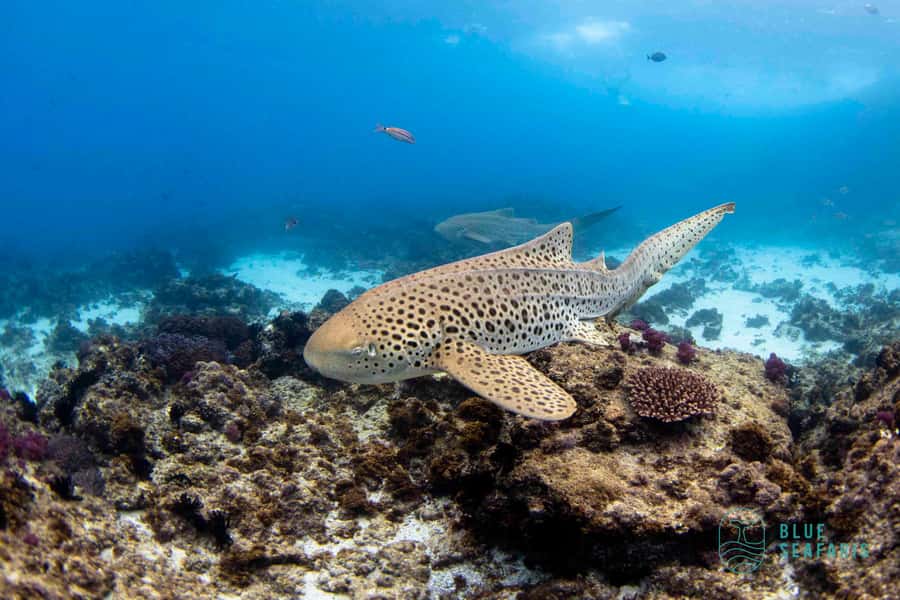
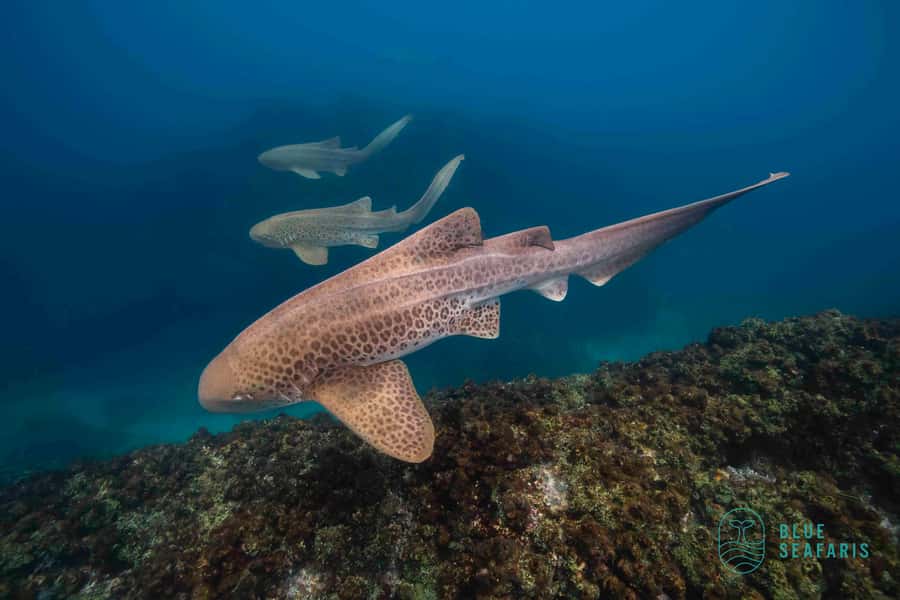
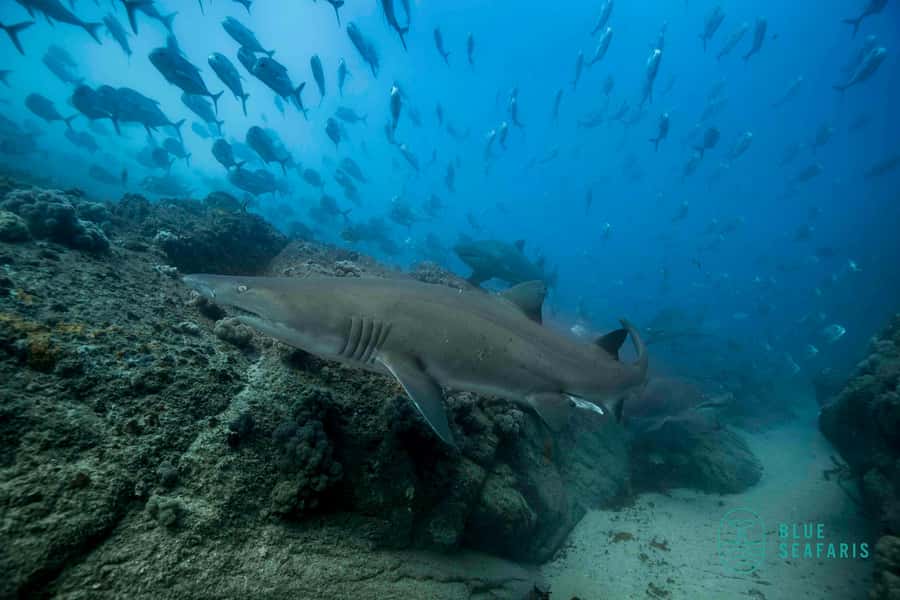
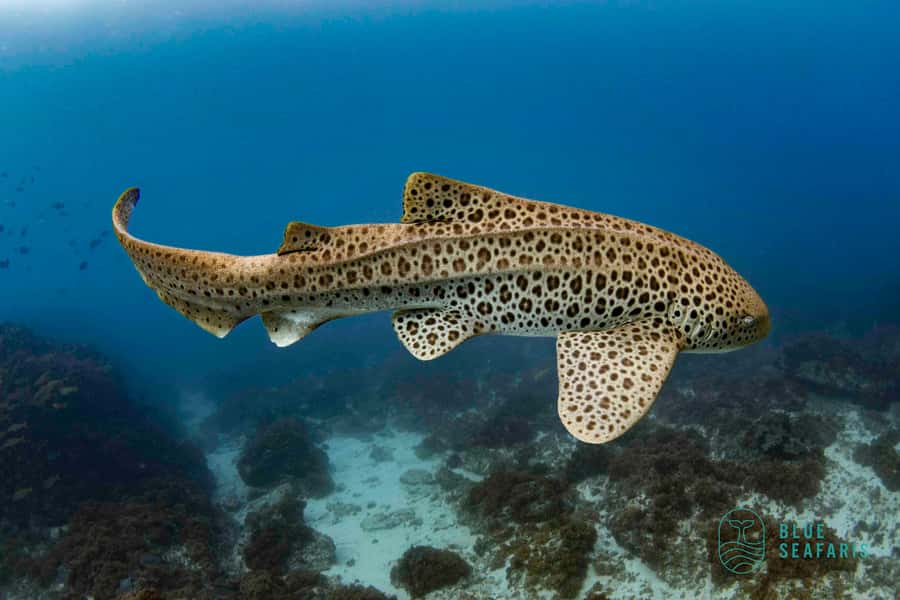
Leopard sharks are among the main reasons to book this trip. They are harmless to people and are often seen resting or moving across the sandy bottom. Seeing one is a memorable experience, especially when the guide quietly points it out before it disappears into the blue.
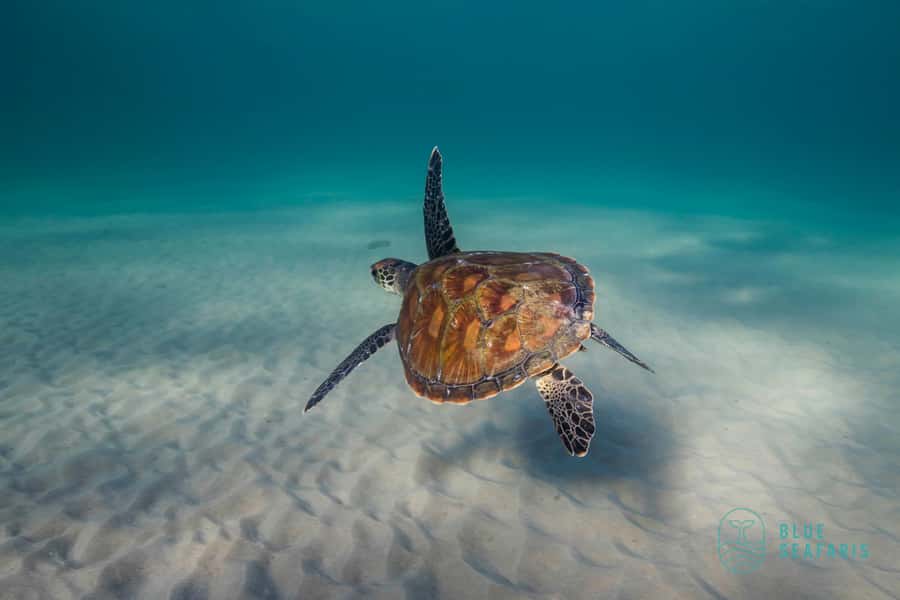
Turtles are another strong possibility. Several outings have produced multiple turtles, including large turtles resting near the rocks. You may also see wobbegong sharks, which have a very different look from leopard sharks and often lie still on the seafloor.
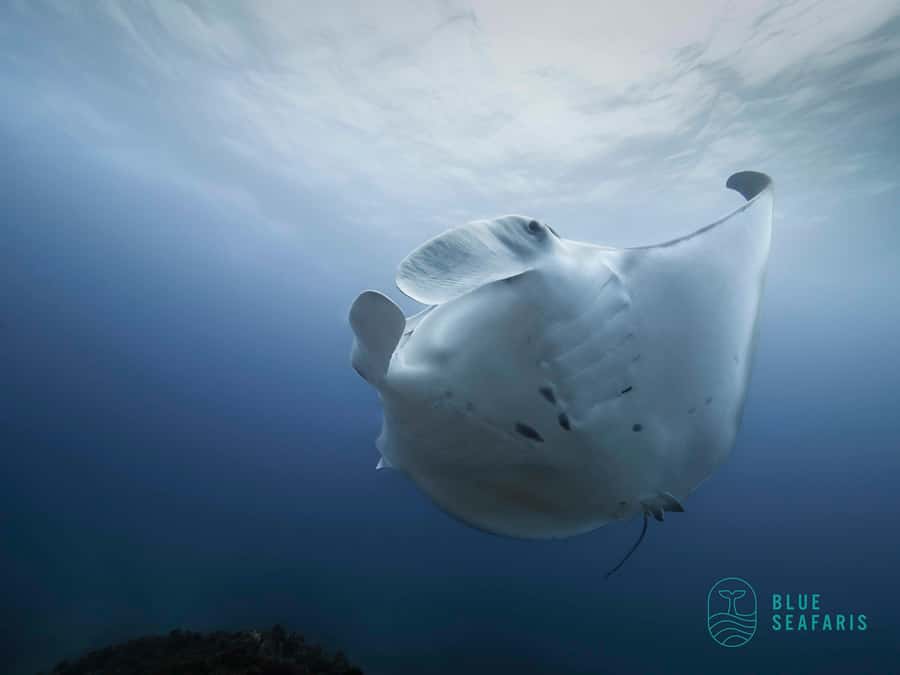
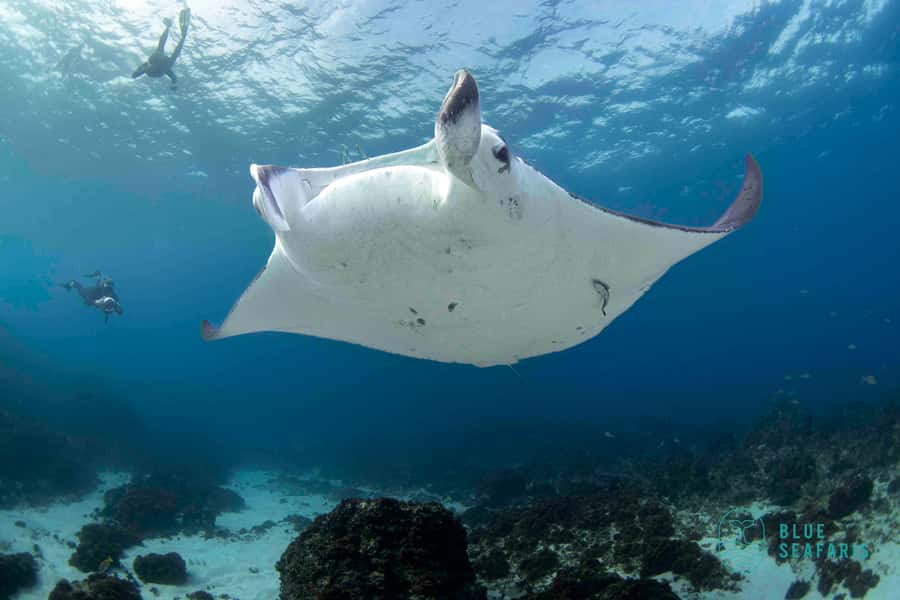
Rays can include eagle rays, stingrays, and manta rays. Manta sightings are more likely from November to May, but they are never guaranteed. When one appears, its size and graceful movement can transform an ordinary snorkel into a spectacular one.
The fish list is long. Expect the possibility of blue groper, wrasse, pufferfish, barracuda, lionfish, moray eels, starfish, and brightly colored reef fish. You may see schools moving together in shallow water, with larger fish cruising around the edges.
Dolphins and whales are more likely to be seen from the boat than during the snorkelling itself. Whale season runs from June to November. In one October outing, whales were seen on the way out and back, with whale song audible from the water. That is a wonderful possibility, but it depends on season, weather, and luck.
Same water, a completely different day on the reef:
- Airlie Beach: Snorkel, Hill Inlet Lookout & Whitehaven Beach
★ 4.8 · 2,119 reviews - Ocean Freedom Great Barrier Reef Luxury Snorkel and Dive Cruise
★ 5.0 · 1,895 reviews - Cairns: Premium Snorkelling and Diving Reef Day Trip
★ 4.7 · 1,528 reviews - Cairns: Outer and Coral Cay Snorkel and Dive Cruise
★ 4.8 · 1,467 reviews
Why the marine biologist guide matters
A guide can turn scattered wildlife into a proper nature experience. At Julian Rocks, the animals may be close by but hard for an untrained eye to spot. The guide knows where to search and can draw your attention to a turtle tucked near a rock or a shark resting on the bottom.
The guides also add useful context about conservation and seasonal patterns. Kai, Scott, Will, Michael, and Cristiana were each praised for a mix of safety awareness, humor, local knowledge, and patience. Names and staff can change, but the value of the guided format remains.
The group stays together, with the boat nearby throughout the water session. That does not remove the need for personal caution. You still need to be comfortable swimming in the sea, managing your mask and fins, and coping with changing conditions.
If you are a confident snorkeller or breath-hold swimmer, you should have room to work at your own pace. If you are new to snorkelling but can swim in open water, the guide can make the experience less intimidating. This is best understood as a guided wildlife outing, not a private lesson.
Weather, visibility, and the luck of the sea
Ocean conditions are the main variable. Tours operate only when conditions are considered favorable, and the operator may reschedule if weather or sea conditions change. You should check email and text messages before departure and provide a working mobile number when booking.
Sunny weather does not guarantee perfect visibility. Rain, wind, waves, and sand movement can make the water cloudy. One outing had reduced visibility but still produced sharks, a manta ray, and turtles. Another had choppy water but excellent wildlife sightings.
That is why I would avoid booking this as your only fixed activity on a tight schedule. Give yourself flexibility if possible. If the tour is rescheduled, you will need room in your itinerary to move it to another time.
The seasons can guide your choice. Visit between June and November if humpback whales are a major goal. Visit from November to May if manta rays and leopard sharks are your priority. These are patterns, not promises, but they are useful when planning.
Is $91 good value?
At $91 per person, the tour is fairly priced for a 150-minute outing that includes a speedboat trip, marine biologist guide, wetsuit, mask, and fins. You are paying for more than equipment rental. The boat gets you to a marine sanctuary, and the guide actively searches for wildlife and keeps the group organized.
The value improves if you see several species or dolphins on the boat ride. Many outings have included turtles, leopard sharks, rays, and large schools of fish, sometimes with whales or dolphins as an extra reward. On a less fortunate day, you may see fewer headline animals, but the protected site still offers a strong chance of varied fish life.
You should also factor in transport to Brunswick Heads. The tour price does not solve that part of the day. If you are relying on a rideshare for the return, plan ahead because vehicle availability in Brunswick Heads can be limited.
There is no need to bring your own snorkelling kit, which saves space and avoids the hassle of wet gear rental elsewhere. The equipment has generally been described as clean and good quality, including masks that fit well.
Who should book this trip?
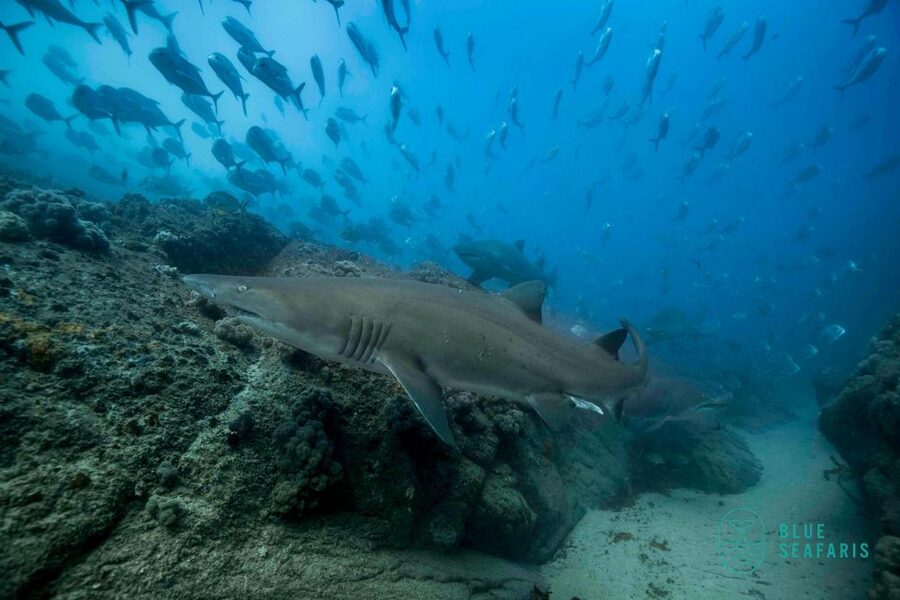
I would recommend it to confident swimmers, couples, families with older children, and anyone who wants a short but wildlife-heavy ocean outing near Byron Bay. It suits both experienced snorkellers and people with limited experience who are calm in open water.
It is especially good for you if you like active sightseeing. You are not sitting on a large vessel for hours. The boat ride is quick, the water session is substantial, and the guide keeps you focused on what is moving below.
I would be more cautious if you are prone to seasickness, dislike bumpy boat rides, or need a flotation vest. The operator does not provide flotation jackets for non-swimmers. The outing also has age, weight, pregnancy, and back-problem restrictions that you should check before paying.
Bring a waterproof camera if you have one, but do not let photography distract you from the wildlife. Some trips provide filming, though this should not be treated as guaranteed unless confirmed at booking. A towel or dry layer for the ride home is a smart addition.
Should you book the Julian Rocks snorkelling tour?
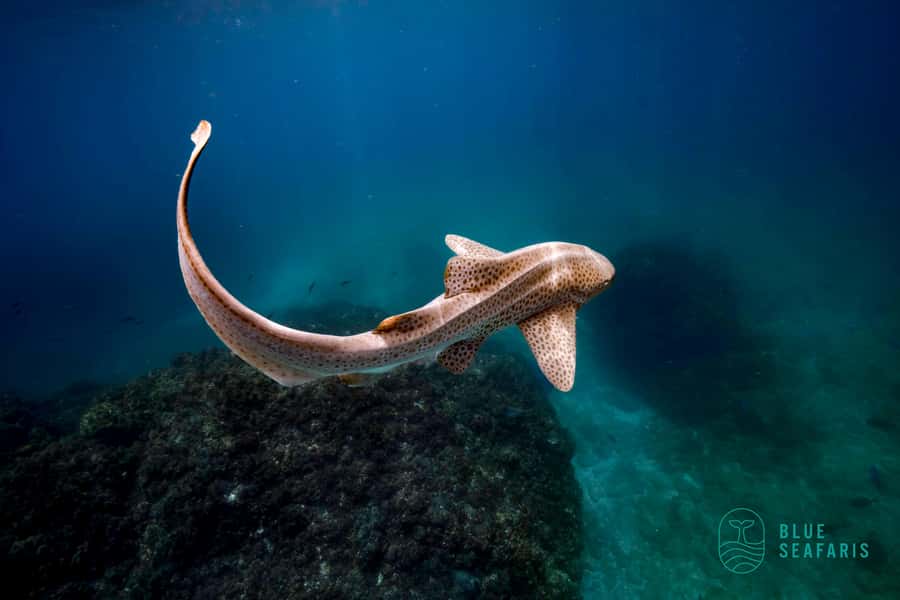
Yes, if you are comfortable in open water and want a realistic chance to see large marine animals close to Byron Bay. The strongest reasons are the healthy mix of species, the short transfer from Brunswick Heads, the small group format, and guides who actively help you find wildlife.
Book with flexible plans and sensible expectations. The sea can be choppy, visibility can change, and a manta ray or whale is never guaranteed. But Julian Rocks offers the kind of wildlife encounter that is hard to match from shore, and $91 is good value when you consider the boat, equipment, guide, and long water session.
FAQ
Where does the Julian Rocks snorkelling tour depart from?
The tour departs from Brunswick Heads Boat Harbor at 43 Harbour Way, about 15 minutes north of Byron Bay.
How long does the experience last?
The full experience lasts 150 minutes, including the boat ride and the snorkelling session at Julian Rocks.
How long is the boat ride to Julian Rocks?
The speedboat trip from Brunswick Heads to Julian Rocks takes about 15 minutes.
What equipment is included?
The tour includes a mask, fins, and wetsuit. A marine biologist guide is also included.
Do I need to be a strong swimmer?
You must be comfortable swimming in open water. Pool noodles are available, but flotation jackets are not provided for non-swimmers.
What animals might I see?
Possible sightings include turtles, leopard sharks, manta rays, eagle rays, stingrays, wobbegong sharks, dolphins, whales, and many native fish species.
When are whales most likely to be seen?
Humpback whales are commonly seen from June through November, usually from the boat.
When are manta rays and leopard sharks most likely to be seen?
Manta rays and leopard sharks are most commonly seen from November through May.
Is the tour suitable for children?
Children under seven are not permitted. Older children must still be comfortable swimming in open water.
What should I bring?
Bring a sun hat, biodegradable sunscreen, and a reusable water bottle. A towel or warm jacket is also useful for the return boat ride.
Can weather change the departure?
Yes. Tours operate subject to favorable ocean conditions. If conditions change, the operator may reschedule the tour and will contact you by email and SMS.
Just added around Australia
- Private Helicopter Tour: Reef Island Snorkeling and Gourmet Picnic Lunch★ 4.5 · 22 reviews
- Half Day Great Barrier Reef Snorkeling Tour★ 5.0 · 219 reviews
- 2-Day Snorkelling Experience – Great Barrier Reef Twin Share★ 4.5 · 38 reviews
- Ocean Spirit Sail to Michaelmas Cay Snorkel or Dive, from Cairns★ 4.5 · 170 reviews
- Great Barrier Reef with Cultural Guides-Dreamtime Dive & Snorkel★ 5.0 · 156 reviews
- Great Barrier Reef Small Group Snorkelling Adventure★ 5.0 · 15 reviews
- Coral Sea Dreaming Overnight Dive, Snorkel and Sail★ 5.0 · 44 reviews
- Cairns: Small Group | Outer Great Barrier Reef Snorkel & Dunk Is.★ 4.5 · 12 reviews
Australia Snorkeling Tours, compared.
Ocean Rafting: Whitehaven Beach, Snorkelling & Hill Inlet Lookout
Read our review →
Whitehaven Beach and Hill Inlet Lookout Snorkeling Cruise
Read our review →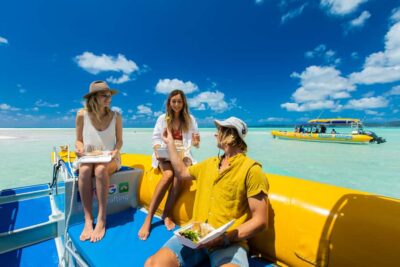
Airlie Beach: Snorkel, Hill Inlet Lookout & Whitehaven Beach
Read our review →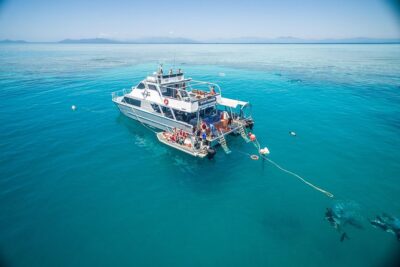
Ocean Freedom Great Barrier Reef Luxury Snorkel and Dive Cruise
Read our review →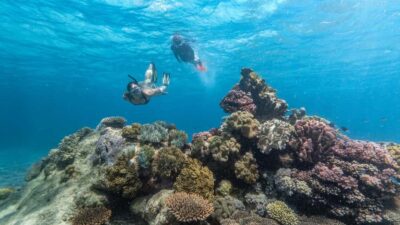
Cairns: Premium Snorkelling and Diving Reef Day Trip
Read our review →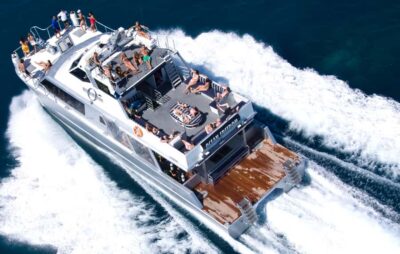
Cairns: Outer and Coral Cay Snorkel and Dive Cruise
Read our review →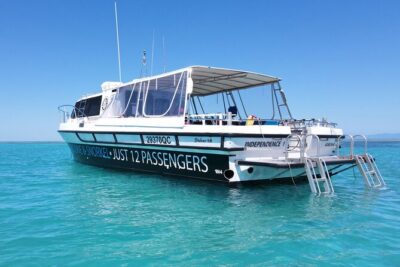
Magnetic Island Discovery Tour with Snorkeling & Paddle Boarding
Read our review →Browse the lists this tour appears in