
REVIEW · BONAIRE
Bioluminescent Night Snorkeling
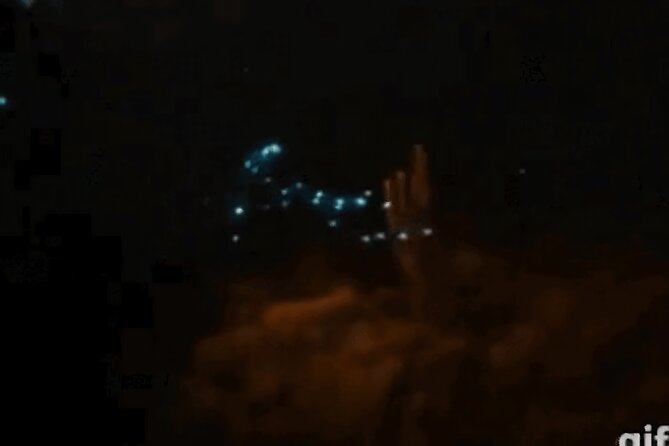
The sea can look black at night, then suddenly sparkle when you move your hands through it. On this Bonaire night snorkel, you learn about bioluminescent ostracods and dinoflagellates before entering the water with a small group of no more than eight.
I like the shore entry, which keeps the outing simple, and the guide’s clear focus on explaining what you are seeing rather than treating the glowing water as a magic trick. I also like that the guide adjusts expectations to the conditions on your particular night. The main drawback is that the display can vary, and the promotional photos may suggest a brighter show than nature provides.
Key things to know before you book
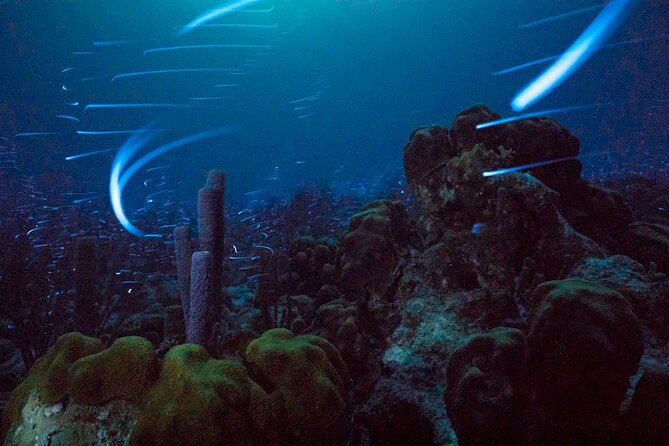
- The glow comes from living marine organisms: Your movement can stir tiny bioluminescent creatures and create brief flashes of light.
- The meeting time is 7 pm: You meet at Zhung Kong Supermarket, 98 Kaya Gob. N. Debrot, Kralendijk, then return to the same place.
- The water entry is from shore: This avoids a boat ride, but you still need to be comfortable entering the sea at night.
- The group is capped at eight people: That gives the guide a reasonable chance to watch the group and answer questions.
- Jellyfish can affect the outing: If the chance of stings is high, the guide may stop early and offer another evening free of charge.
- A wetsuit top or rash guard is a smart extra: Protective water clothing is advised, especially for a longer stay in the water.
What you are really coming to see in Bonaire’s dark water
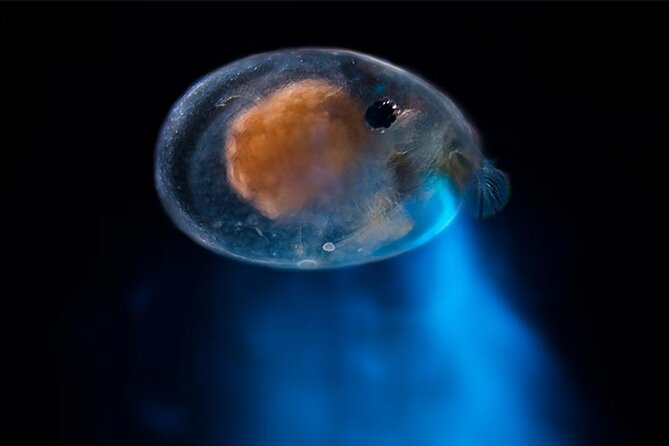
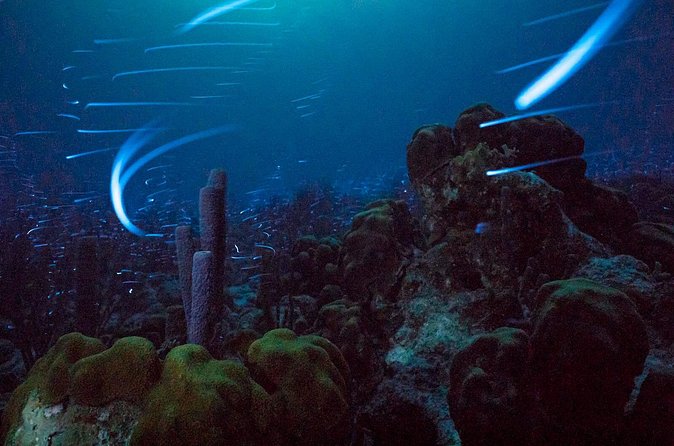
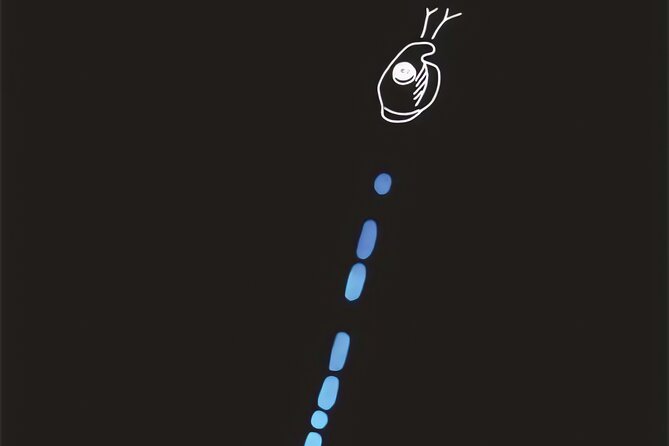
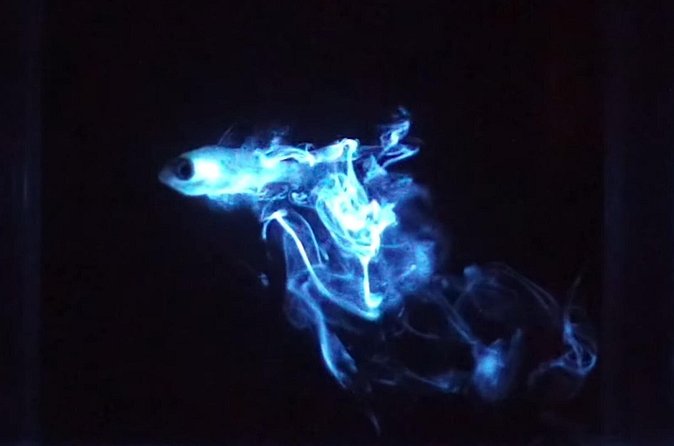
Bioluminescence is light produced by living organisms. Here, the most notable display can come from ostracods, tiny crustaceans sometimes called seed shrimp. Dinoflagellates, another source of marine light, may also be part of what you see.
The effect is not a steady underwater lamp. It is more like a short-lived scatter of sparks. A hand movement, kick, or gentle disturbance in the water may produce little flashes. The exact animals and intensity depend on conditions that night, so you should arrive ready for a natural event rather than a staged show.
That uncertainty is part of the appeal, but it also matters when you judge the price. You are paying for a guided look at a local marine phenomenon, not a guaranteed wall of glowing blue water. Some nights may produce a memorable display. Other nights may offer only limited exposure, along with the explanation that helps you understand what you did see.
One particularly enjoyable account of the tour described the pleasure of moving through the water and seeing dinoflagellates glitter around the swimmer. That is the right way to picture the best version of this outing: active, dark, close to the water, and rewarding when you make the glow happen yourself.
More sunset snorkel cruises in Bonaire:
- Sunset- night snorkel trip
★ 5.0 · 23 reviews - Night Snorkeling Adventure
★ 5.0 · 18 reviews - Private Sunset Dinner Cruise in Bonaire w/ Sailing & Snorkeling
★ 5.0 · 15 reviews
The 7 pm meeting and safety briefing
The tour starts at Zhung Kong Supermarket at 7 pm. The published meeting address is 98 Kaya Gob. N. Debrot in Kralendijk, and the activity finishes back at this point.
Pickup is offered, but the meeting point is still important. Confirm the pickup arrangement and address before the evening, especially since there was at least one reported mix-up involving an address and a guide who had accidentally left his phone behind. This is an easy problem to avoid with a clear confirmation before you set out.
The first part of the outing covers what bioluminescence is and why the ostracod display is unusual in the Caribbean. You also receive a briefing on how the group will snorkel, what to do in the water, and what not to do.
That introduction is more useful than it may sound. At night, you cannot rely on the same visual clues you use during the day. Knowing how to move, where to look, and how to stay with the group helps you spend less time worrying and more time noticing small flashes.
The guide also fits your snorkel equipment and leads you with a light toward the safe entry point. The light is used for safety on the way in. Once you are in the water, complete darkness is needed to see the bioluminescence clearly.
Entering from shore after sunset
This is a shore-entry snorkel, not a boat trip. I like that arrangement because it keeps the outing focused and avoids adding a boat transfer to a short, 90-minute activity.
The tradeoff is that you must be comfortable getting into the sea from shore in darkness. The guide leads the group to a safe entry, but this is not the same as stepping down a bright ladder from a vessel. If you have medical or physical problems, the operator does not recommend this activity.
The tour is described as suitable for most people, but you should be honest about your comfort in the water. Night snorkeling can feel different from daytime snorkeling even for someone who has used a mask and snorkel before. Your visibility is limited, the group depends on the guide’s instructions, and the unusual setting can make ordinary movements feel less familiar.
A long-sleeve wetsuit, rash guard, or similar protective water clothing is advisable. This is useful for comfort and gives you an extra layer in an environment where jellyfish encounters are more likely than during a daytime outing. You do not need to treat that warning as a prediction of trouble, but you should take it seriously.
The glowing portion of the snorkel
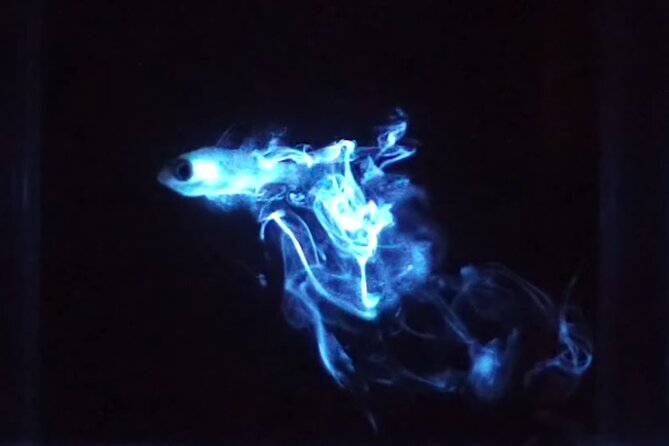
Once the group is in the water, the guide shows you how to spot the living light. The goal is not to search for one fixed creature in one fixed place. Instead, you learn how movement and darkness reveal the small organisms around you.
The guide also shares more facts about the phenomenon during the snorkel. Some of the science is still being studied, so the explanation focuses on what is currently known rather than pretending that every mystery has been solved.
That approach gives the outing substance. You are not simply watching a pretty effect. You are learning why a tiny marine organism produces light, how the display may differ from one evening to another, and why complete darkness matters.
The glow may be strongest when you interact gently with the water. You might see brief points of light around your hands or body as you move. The display can be subtle, and you should not expect the same visual scale shown in every promotional image. One unhappy participant felt the photographs overstated the result, while another found the limited exposure to the organisms genuinely amazing. Those two reactions can both be fair because the natural conditions set the limits.
The most useful mindset is to value the moments you create rather than wait for a constant spectacle. If you want a guaranteed, bright, cinematic display, this may disappoint you. If you enjoy a guided look at a delicate natural event, the uncertainty makes the successful flashes feel more personal.
A few more snorkel trips around Bonaire worth comparing
- Double Dip Snorkel Trip
★ 5.0 · 1,305 reviews - Clearbottom Mangrove Kayak & Snorkel tour
★ 5.0 · 597 reviews - Klein Bonaire Marine Park Snorkeling Excursion
★ 5.0 · 343 reviews - Luxury snorkel trip on a spacious wooden schooner and local lunch
★ 5.0 · 284 reviews
After the water, keep asking questions
After the snorkel, the guide is happy to discuss the world of living light if conditions and time allow. You can ask about what you just witnessed, the role of ostracods, or the difference between the organisms that may produce the glow.
This after-water conversation is worth using. Night snorkeling can pass quickly, and you may not remember every explanation while concentrating on breathing, swimming, and watching the water. A few questions afterward can connect the experience to the wider marine environment.
The tone is informal and curious rather than classroom-heavy. You are encouraged to ask what the guide knows, while the explanation follows current studies. That honesty is a plus. Bioluminescence is still an active area of research, and a good guide can explain the limits of present understanding without making the activity feel technical.
The full outing lasts about one hour and 30 minutes. That includes the briefing, equipment fitting, walk or movement toward the entry point, time in the water, and the discussion afterward. It is long enough to feel like a proper evening activity without taking over the whole night.
Small group size and guide attention
The maximum group size is eight. That is a useful limit for a night activity, when keeping track of people matters more than it does on a casual daytime swim.
A small group can also make the questions and explanations easier. You are less likely to feel lost in a crowd, and the guide can give clearer directions at the entry point and in the water. Still, a group of eight is not a private outing, so the pace may need to suit several different swimming abilities.
No guide names are provided, so you cannot request a particular guide from the available details. What matters here is the guide’s role: fitting equipment, explaining the science, leading the group safely, showing you how to see the glow, and answering questions afterward.
The guide also makes the final call about conditions. If jellyfish are likely to create a high chance of stings, the outing may end early. In that case, you are offered another evening at no extra charge. That policy does not make an interrupted night equal to a completed one, but it gives you a practical remedy instead of leaving you to accept a poor or unsafe outing.
Is $66.01 a fair price?
At $66.01 per person, this sits in the moderate-price range for a guided marine activity. The value depends less on the length alone and more on what you want from the evening.
The price includes instruction, snorkel equipment fitting, guide support, and a focused attempt to find bioluminescent marine life. You are also getting a small group, a shore-based setup, and a guide who can explain the science. For someone already curious about marine life, those parts make the cost easier to justify.
The value is weaker if you are judging the tour only by the brightness of the glow. No operator can control every natural condition, and the display may be limited. The company does say there is always something to see, but the available feedback shows that the amount of visible bioluminescence can still shape your satisfaction.
The tour has an overall rating of 4.4 from 12 ratings. That suggests a generally positive experience, but it is not a guarantee that every night will produce the same result. I would book it for the setting, the science, and the chance to make the water sparkle, not for a promise of a huge luminous show.
What to bring and how to prepare
Bring a rash guard, long-sleeve wetsuit, or other protective water clothing if you have one. This is specifically advised for the activity and may make the night more comfortable.
Wear or bring whatever you need to feel secure around a dark-water shore entry. The guide supplies and fits the snorkel gear, and lights are used as a safety tool before entering the water. The details do not state that every personal item is supplied, so confirm any equipment question before booking if you need something beyond standard snorkel gear.
Try not to judge the tour by daytime snorkeling standards. The point is not to inspect a broad reef scene in bright water. It is to watch the darkness respond to movement and to learn about organisms that are easy to overlook during the day.
You should also allow room in your schedule for a change of plan. Poor weather can cancel the activity, and a high chance of jellyfish can lead to an early ending. If weather cancels the tour, you can choose another date or receive a full refund.
Who will enjoy this night snorkel most
I would recommend this for someone who has snorkeled before and wants a different kind of marine outing on Bonaire. You do not need to be an expert snorkeler, but you should be comfortable in the water and able to follow a guide’s instructions at night.
It is a good fit for curious couples, small groups, and anyone who likes natural phenomena that are subtle rather than guaranteed. The short duration also works well if you want an evening activity without committing to a full night excursion.
I would be cautious if you have medical or physical concerns, dislike dark-water entry, or want a large and dramatic display. It is also a poor match if you are uncomfortable with the increased chance of jellyfish encounters. People with scuba certification may prefer the separate bioluminescent night tour, which the operator recommends because being fully underwater offers a different view of the phenomenon.
Free cancellation is available if you cancel at least 24 hours before the start time. Changes or cancellations made inside that window are not refunded, and the local time controls the cutoff. Service animals are allowed.
Should you book this Bonaire night snorkel?
Book it if you see the glowing water as a natural event worth learning about, even when the display may be modest. The small group, shore entry, safety briefing, and guide-led explanation give the $66.01 price reasonable value.
Skip it if you need photographic certainty or a powerful light show. The strongest moments may be brief, and the conditions can change from one night to the next.
For the best chance of enjoying it, confirm pickup details, bring protective water clothing, and arrive with realistic expectations. The reward is not a guaranteed underwater fireworks show. It is the chance to make tiny living lights appear around you while standing beneath Bonaire’s night sky.
FAQ
Where does the bioluminescent night snorkel begin?
It begins at Zhung Kong Supermarket, 98 Kaya Gob. N. Debrot, Kralendijk, Caribbean Netherlands.
What time does the activity start?
The start time is 7 pm.
How long does the activity last?
The tour lasts approximately one hour and 30 minutes.
Where does the activity end?
The activity ends back at the meeting point at Zhung Kong Supermarket.
Is pickup available?
Pickup is offered. Confirm the exact pickup details and address before the activity.
How many people can join the tour?
The maximum group size is eight people.
Is the snorkel equipment provided?
The guide fits and puts on the snorkel gear for you. Lights are used as a safety tool while the group reaches the water entry.
Can most people participate?
Most people can participate, but the activity is not recommended for people with medical or physical problems. You should also be comfortable entering the sea from shore at night.
What happens if jellyfish are a concern?
Night snorkeling has an increased chance of jellyfish encounters. If the chance of being stung is high, the guide may end the outing early and offer another evening free of charge.
What happens if bad weather cancels the activity?
You will be offered a different date or a full refund if poor weather causes the activity to be canceled. Free cancellation is also available when you cancel at least 24 hours before the scheduled start time.
Just added around Bonaire
- Swim & Reef Snorkeling Bonaire★ 5.0 · 13 reviews
- E-Snorkeling tour in Bonaire with easy Sea Scooters★ 5.0 · 82 reviews
- Snorkel with Turtles & see the Flamingos★ 4.5 · 41 reviews
- Catamaran Snorkel & BBQ Sail (cruise friendly)★ 5.0 · 196 reviews
- Sunset- night snorkel trip★ 5.0 · 23 reviews
- 100% Private Charter Snorkel, Sail, Relax (Cruisers Friendly)★ 5.0 · 115 reviews
- Brunch & Snorkel Catamaran Tour★ 5.0 · 62 reviews
- Private Half day REVOLVE Boat & Snorkeling tour in Bonaire★ 5.0 · 26 reviews
Bonaire Snorkeling Tours, compared.
Luxury snorkel trip on a spacious wooden schooner and local lunch
Read our review →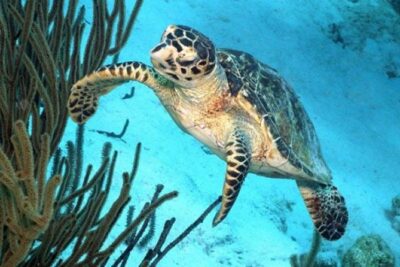
Catamaran Snorkel & BBQ Sail (cruise friendly)
Read our review →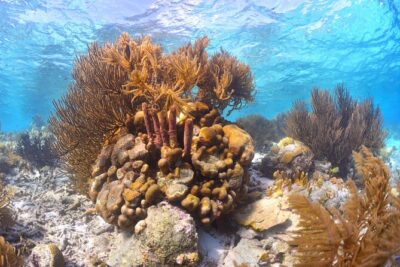
100% Private Charter Snorkel, Sail, Relax (Cruisers Friendly)
Read our review →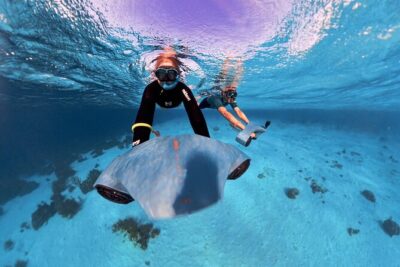
E-Snorkeling tour in Bonaire with easy Sea Scooters
Read our review →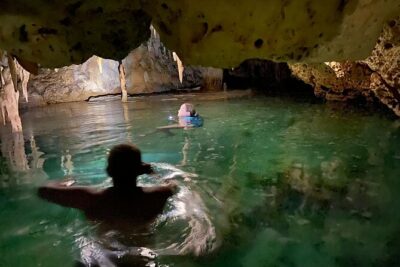
Bonaire CaveTour Climb, Snorkel & Explore the Hidden Gems
Read our review →Browse the lists this tour appears in