
REVIEW · THE USA
Big Island: Manta Ray Snorkel Boat Tour
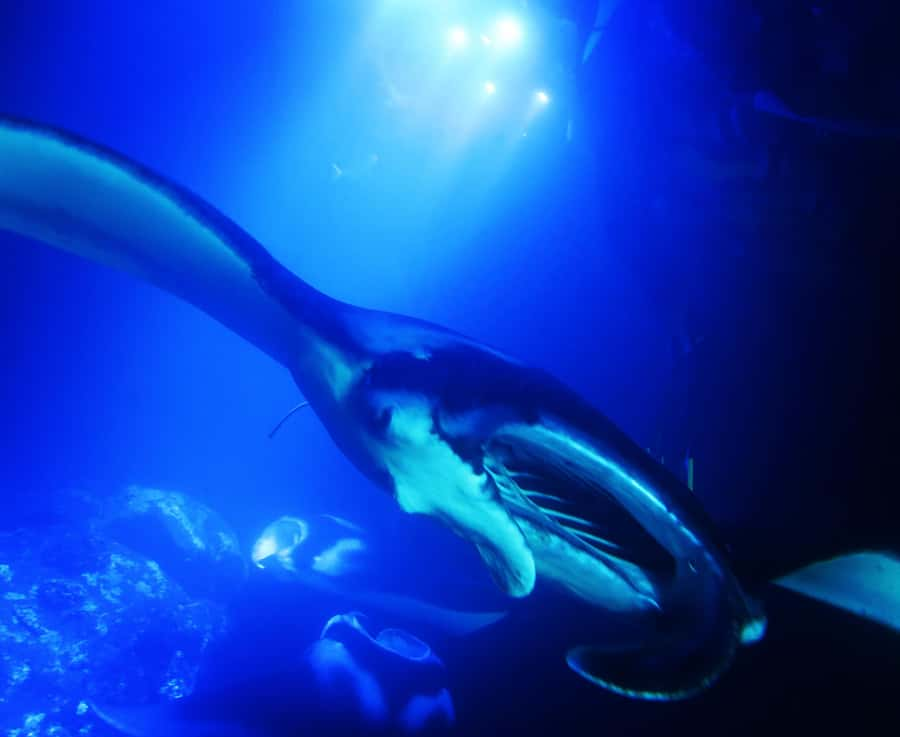
The main event is wonderfully simple: you float in the dark Pacific while manta rays glide below and sometimes rise within view. These gentle giants can reach wingspans of up to 16 feet, and the sight of several manta rays moving through the lights can make this one of Kona’s most memorable outings. I especially like the small-boat feel and the local guide in the water, which can make the experience calmer and more personal than a large group trip.
There are two things to keep in mind. You need real swimming and snorkeling ability, and you must climb back aboard using a side ladder without help. Manta sightings are wildlife sightings, not a promise, and at least one booking reported seeing no manta rays at all.
Key points to know before booking
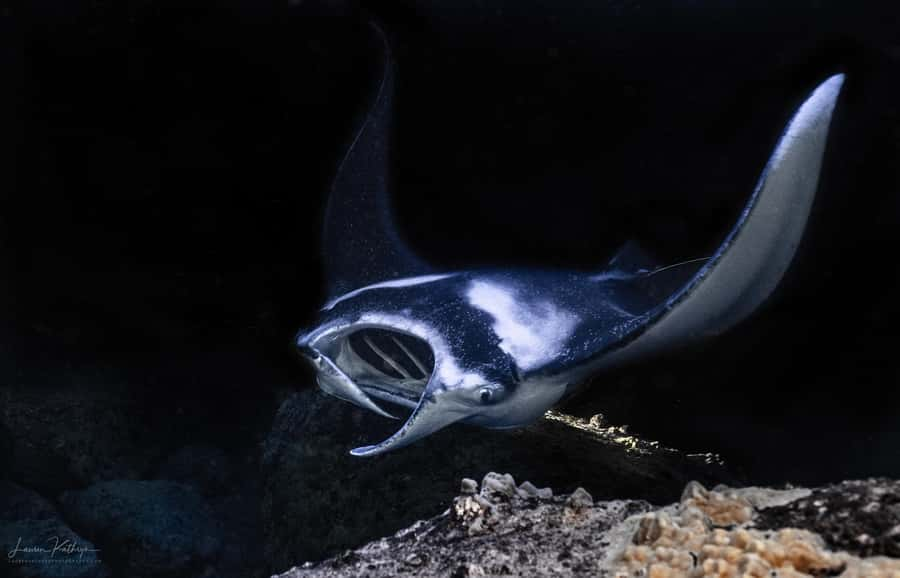
- Manta rays can reach 16 feet across: You may see these gentle animals glide close to the viewing area, but sightings are never guaranteed.
- The ride takes 15 to 25 minutes: You leave from the north side of Honokohau Small Boat Harbor in Kailua-Kona.
- At least 35 minutes in the water: The full outing lasts two hours, including the safety briefing, boat ride, and return trip.
- Smaller groups matter: The speedboat carries fewer people than many larger manta excursions, helping the water time feel less crowded.
- Gear is supplied: Shorty wetsuits and snorkel equipment are included, but prescription masks are not.
- You must be physically independent: Non-swimmers, people with mobility limits or recent surgery, and pregnant women should not book without first speaking with the operator.
Why manta rays make this Kona outing special
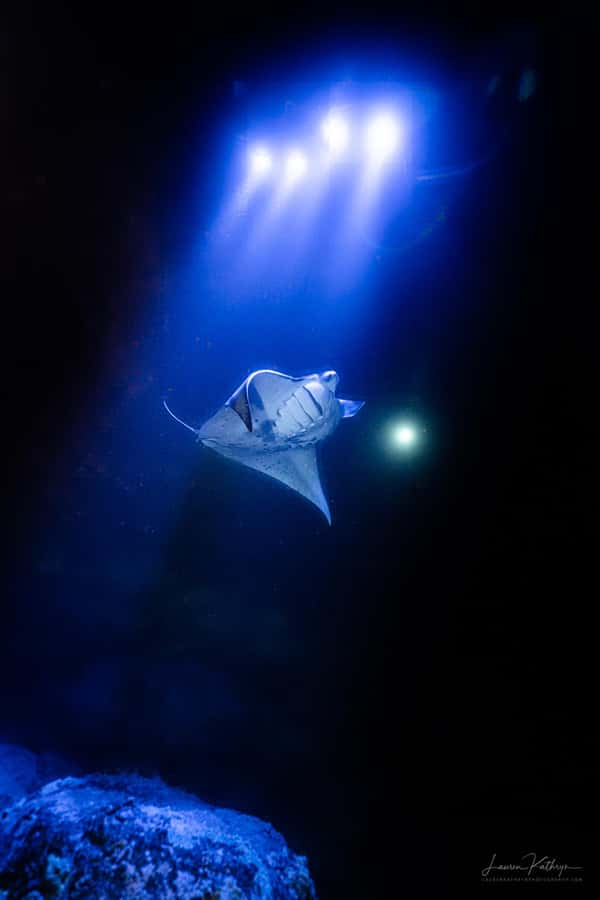
Kona’s manta ray trips are built around a nighttime encounter in the ocean. The animals come near the lighted viewing area to feed, creating a strange and beautiful scene as they sweep and turn through the water. You are not chasing them or handling them. The goal is to watch while they move naturally through the area.
That makes the outing different from a standard reef snorkel. You are not being promised colorful coral, a long list of fish, or a broad tour of the coast. The focus is one animal and one setting: manta rays moving below the surface after dark.
Some rays can reach a wingspan of 16 feet, yet they are known for their gentle behavior. Their size can seem startling when one comes close, especially under the boat lights. The experience depends on patience and luck, but the payoff can be remarkable.
I like that the company places attention on protecting the ocean, marine life, and the local environment. The rules are basic but important: do not touch the manta rays, other animals, or marine plants. You are there as an observer, not a participant in the animals’ feeding routine.
More whale shark and manta snorkels in the USA:
- Big Island Manta Ray Night Snorkel
★ 5.0 · 5,656 reviews - Big Island: Kona Manta Ray Snorkel Tour in Keauhou Harbor
★ 4.5 · 2,465 reviews - KONA Manta Ray Night Snorkel – FREE re-ride if no Sightings
★ 5.0 · 2,212 reviews
Leaving from Honokokau Harbor
The meeting point is on the north side of Honokohau Small Boat Harbor at 74 Kealakehe Parkway in Kailua-Kona. Search for Snorkel Big Island in Google Maps, since the harbor has more than one side and the correct entrance matters.
From Highway 19, turn west toward the ocean at the Honokohau Marina and Small Boat Harbor sign. Take the first right into the north side of the harbor, then follow the road around the bend for about a quarter mile. You will pass Gentry’s gas station on your left.
Continue to the brown public restroom building with the pitched roof. The check-in attendant will meet you near the white Ram 1500 marked for Snorkel Big Island. I would allow extra time to find the harbor, park, and walk to the meeting point. Arriving late is a poor way to start a boat trip with a fixed departure time.
Transportation to the harbor is not included, so you need to arrange your own way there. Bring a swimsuit and towel. You will not need to pack a wetsuit or standard snorkel equipment, since shorty wetsuits and gear are provided.
The first 20 minutes: safety before the boat ride
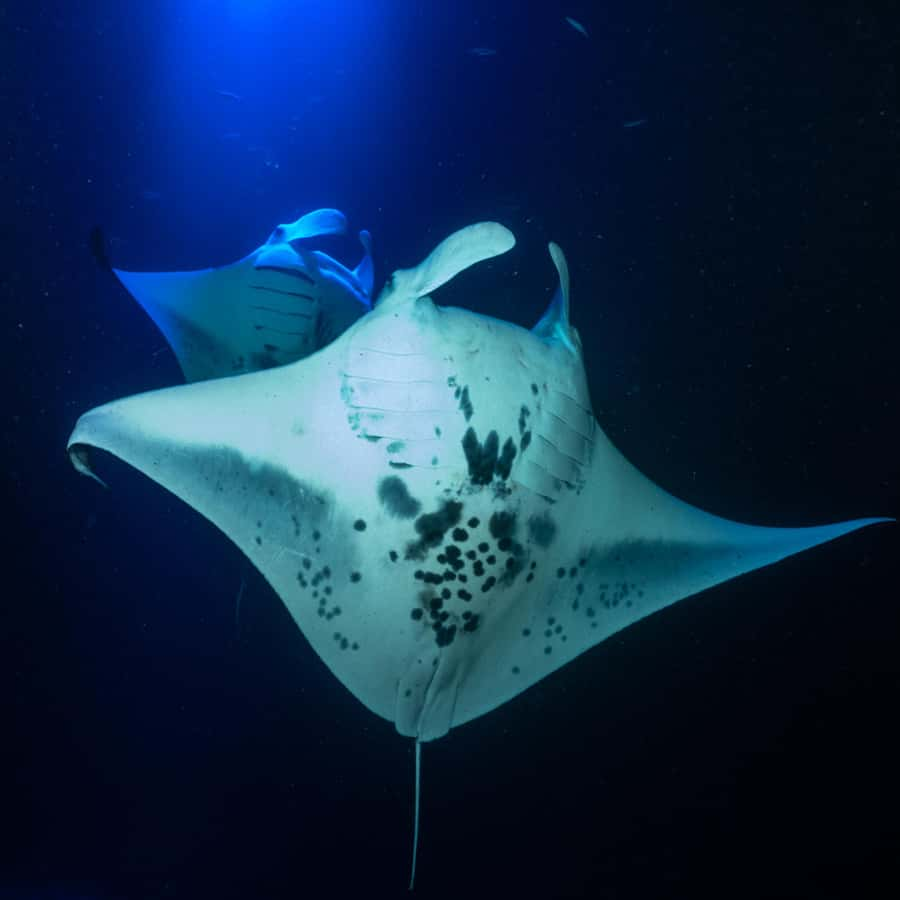
The outing begins with a safety briefing at the harbor, listed at about 20 minutes. This is not wasted time. Night snorkeling, a moving boat, open water, and a side ladder all call for clear instructions before departure.
Expect the crew to explain basic water safety, how to use the snorkel equipment, and what conduct is expected around marine life. The no-touch rule applies to manta rays, other animals, and plants. Following it protects the animals and keeps the encounter respectful.
The crew is CPR and lifeguard certified, which is reassuring, but that does not replace swimming ability. You must be comfortable in the water without depending on the guide to keep you afloat. You also need enough upper-body strength and coordination to climb the boat ladder independently.
This is a poor fit if you are a non-swimmer or if getting in and out of a boat is difficult. The operator specifically advises against the trip for people with mobility impairments, recent surgery, or pregnancy. If your situation is unusual, contact the company before booking rather than assuming an exception will be possible.
The 15 to 25 minute speedboat ride
After the briefing, you board the speedboat for a ride of about 15 to 25 minutes to the snorkeling site. The boat is described as spacious and comfortable, though it is still a small-boat outing rather than a large cruise.
That distinction matters. Smaller boats usually mean fewer people around you, less waiting for a large group to load, and a more direct feeling on the water. One of the strongest points of the experience is the lower number of people per boat. For a wildlife encounter that depends on quiet attention, fewer bodies in the water can make a real difference.
The ride itself is part of the outing, but it is also the least predictable part in terms of comfort. A speedboat can feel lively, and conditions on the ocean can change. If you are prone to motion sickness, consider your usual needs before booking, though no specific medication or onboard treatment is listed.
The crew’s local knowledge also matters here. The captain provides explanations and sets the tone for the trip. The available feedback describes the captain as friendly, professional, and good at explaining what was happening, which is useful when you are heading into an unfamiliar nighttime setting.
A few more snorkel trips around the USA worth comparing
- Oahu: Grand Tour Around Island 16 Locations plus Snorkeling
★ 5.0 · 8,669 reviews - Oahu’s Ultimate Tour: Dole, Turtle Snorkel, Pali Lookout & More
★ 4.5 · 5,461 reviews - Oahu Circle Island Tour with Turtle Snorkeling— Small-Groups
★ 5.0 · 5,214 reviews - Waikiki, Hawaii: Turtle Canyon Snorkel Excursion
★ 5.0 · 4,656 reviews
At least 35 minutes with the manta rays
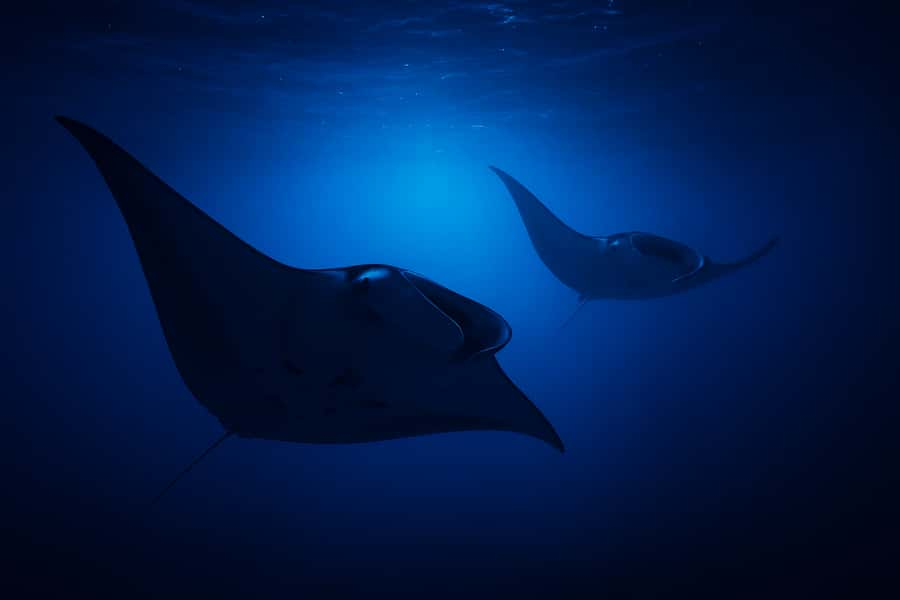
The central water session is listed as about one hour in the itinerary, with a minimum of 35 minutes of snorkeling noted in the tour description. The exact amount of time may depend on conditions, timing, and how the outing runs that day, so I would treat 35 minutes as the firm expectation and the longer period as a possible schedule.
Once you enter the water, the local guide accompanies you. That is one of the tour’s best features. A guide can help you use the equipment, keep the group together, and explain how to behave around the animals. Just remember that the guide is not a substitute for being able to swim on your own.
The viewing area is lit with state-of-the-art lights. These lights help attract the small organisms manta rays feed on, which in turn can bring the rays close to the surface. You may see one animal, several animals, or none. The experience has a wildlife element that no operator can fully control.
When manta rays appear, you may see them pass below or turn through the illuminated water. The right approach is to remain calm, keep your hands to yourself, and watch their movement. Do not touch or attempt to chase them. The best moments come from allowing the animals to choose their distance.
One booking reported no manta ray sighting, so I would not book this as a guaranteed animal encounter. The company can take you to the viewing site and provide the lights, equipment, and guides, but it cannot command the ocean. That risk is part of the value and part of the limitation.
There was also a report of a dolphin joining the scene briefly. That kind of surprise is possible in the ocean, but it is not part of the promised program. Think of it as an unexpected bonus, not something to plan around.
Small groups, good gear, and a calmer feel
The strongest praise for this trip centers on its lower-capacity setup. One booking specifically appreciated that the boat did not carry a large crowd, since too many people can make a manta encounter feel cramped and noisy.
I agree with that logic. A smaller group gives you more room to watch the water, and it may be easier to hear the captain or guide. It also reduces the sense that you are simply one person in a large line of snorkelers.
The equipment also receives positive attention. Standard snorkel gear and shorty wetsuits are included, and the equipment has been described as good quality. A shorty wetsuit can help with warmth during the water session, though it does not cover the full body.
Prescription masks are not included. If you need prescription lenses to see clearly, contact the operator before booking to ask about options. Do not assume the standard masks will meet your needs.
The experience is offered as a private group, but the supplied details do not explain the exact maximum number of people or whether the entire boat is reserved only for your party. If that distinction matters to you, ask the company before paying. The smaller speedboat setup is clear, but the word private can mean different things from one operator to another.
What the $137 price buys you
At $137 per person, the trip is not the cheapest way to spend two hours in Kona. Its value comes from the focused format rather than a long list of included extras.
You are paying for the boat ride, the safety briefing, the manta viewing location, a local guide in the water, shorty wetsuits, snorkel equipment, and CPR-certified crew. The lower-capacity boat is also part of the appeal. If you prefer a quieter, more personal outing over a large group boat, the price can make sense.
The time in the water is the key value question. The full outing lasts two hours, but some of that time goes to the briefing and the ride. You should book it for the quality of the manta encounter, not for a full-day ocean adventure.
The price feels less attractive if your main goal is a guaranteed sighting. No manta tour can honestly promise that, and this trip has at least one report of a missed sighting. You are paying for a well-equipped attempt with an experienced crew, not a guaranteed result.
Free cancellation up to 24 hours before departure and the option to reserve now and pay later make the booking less rigid. Still, call the operator to confirm the reservation was received. The company specifically warns that booking-system integration errors can occur, so a quick confirmation is sensible.
Who should book this tour
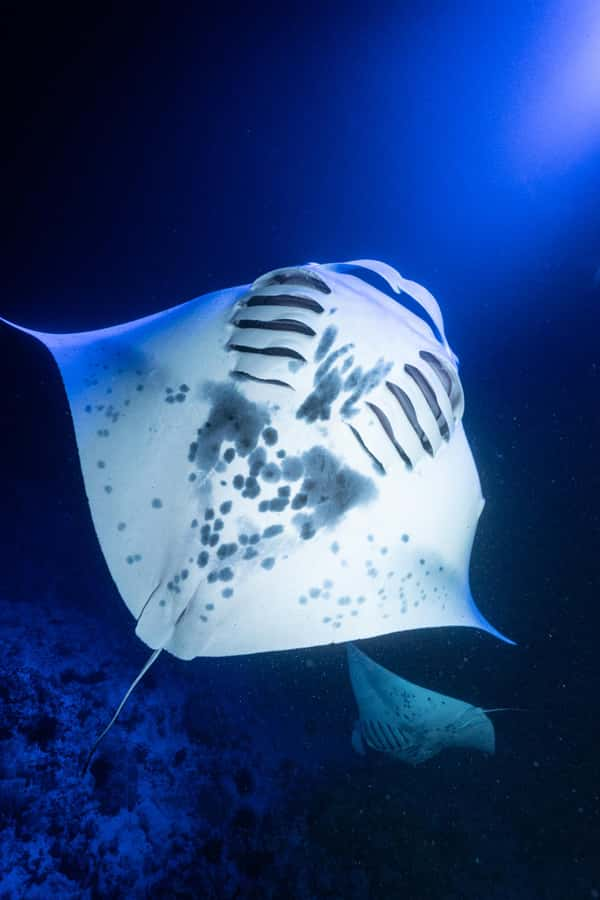
I would recommend this outing to confident swimmers who want a direct manta ray encounter without committing to a large boat. It suits people who value a small-group atmosphere, local guidance, and a short, focused schedule.
It also works well if you have only one evening or a limited amount of time in Kona. The harbor is easy to use as a base, and the two-hour format leaves room for other plans. Just arrive early enough to park and check in without a scramble.
This is not the right choice for non-swimmers, anyone who cannot climb a boat ladder alone, or anyone recovering from surgery. Pregnant women and people with mobility restrictions should contact the operator about their situation, but the stated guidance says the activity is not recommended.
I would also think twice if you dislike open-water snorkeling or need a guaranteed wildlife sighting. A missed manta encounter is possible, and there is no substitute attraction listed if the animals do not appear.
Practical details that can make the night easier
Wear swimwear under your clothes and bring a towel. The company provides shorty wetsuits and snorkel gear, but not transportation or prescription masks.
Use the exact harbor directions rather than relying on a general search for Honokohau Harbor. The north side is the departure point, and the white Ram 1500 near the public restroom is the check-in landmark.
The tour is conducted in English. Arrive on time, listen closely to the safety briefing, and be honest about your swimming ability. If you have a medical or mobility concern, contact the operator before reserving.
The current rating is 4.4 from 12 ratings, with strong praise for the small boat, friendly captain, professional approach, and personal feel. The lower score connected to not seeing manta rays is worth taking seriously, since it highlights the one risk no tour company can remove.
Should you book the Kona manta ray trip?
Book it if you are a capable swimmer and want a compact, small-boat wildlife outing with good equipment and a guide in the water. The lower-capacity setup, state-of-the-art lights, and family-run approach give it a more personal feel than a large operation.
Skip it if you need guaranteed animals, cannot manage a side ladder, or prefer a calm boat ride without nighttime snorkeling. At $137, the trip is best value for someone who understands the risk and is willing to pay for the setting, crew, and chance to see manta rays at close range.
FAQ
Where does the manta ray tour depart from?
It departs from the north side of Honokohau Small Boat Harbor at 74 Kealakehe Parkway, Kailua-Kona, Hawaii 96740. Search for Snorkel Big Island in Google Maps to find the correct harbor side.
How long does the tour last?
The full activity lasts two hours. This includes a safety briefing, a 15 to 25 minute boat ride to the snorkeling site, time in the water, and the return trip.
How much time will I spend snorkeling?
The tour description allows at least 35 minutes for snorkeling. The itinerary lists approximately one hour at the snorkeling site, though the exact water time can vary.
Are manta rays guaranteed?
No. Manta rays are wild animals, so sightings are not guaranteed. One booking reported seeing no manta rays.
What equipment is included?
Shorty wetsuits and standard snorkel equipment are included. Prescription snorkel masks are not included.
Do I need swimming experience?
Yes. Prior swimming and snorkeling experience is required. You must also be able to climb the boat’s side ladder independently.
Is transportation to the harbor included?
No. You are responsible for getting to the meeting point at Honokohau Small Boat Harbor.
Just added around the USA
- Boca Raton Premium Jet Ski Tour – Optional Snorkeling/Lighthouse★ 5.0 · 9 reviews
- Waikoloa Catamaran Snorkel Sail Including Lunch★ 4.5 · 105 reviews
- 2-Hour Dolphin Watching and Double Reef with Snorkel in Hawaii★ 5.0 · 23 reviews
- Ultimate Ocean Encounters Midday Snorkel★ 4.5 · 43 reviews
- Two Tank Morning Reef Dive and Snorkel★ 5.0 · 54 reviews
- Premium Kona Coast Morning Snorkel★ 5.0 · 179 reviews
- Sunset Cruise & Manta Night Snorkeling Charter★ 5.0 · 16 reviews
- Kona Luxury Catamaran Yacht Snorkel & Sail★ 5.0 · 40 reviews
the USA Snorkeling Tours, compared.
Oahu’s Ultimate Tour: Dole, Turtle Snorkel, Pali Lookout & More
Read our review →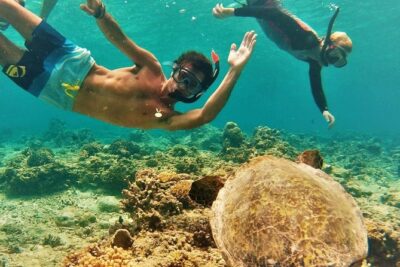
Oahu Circle Island Tour with Turtle Snorkeling— Small-Groups
Read our review →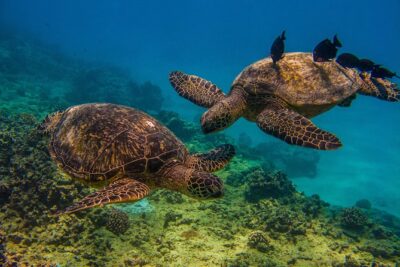
Waikiki, Hawaii: Turtle Canyon Snorkel Excursion
Read our review →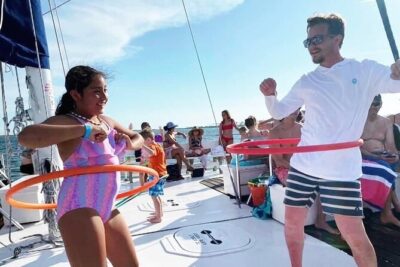
Shell Island Snorkel and Dolphin Catamaran Cruise with Island Time
Read our review →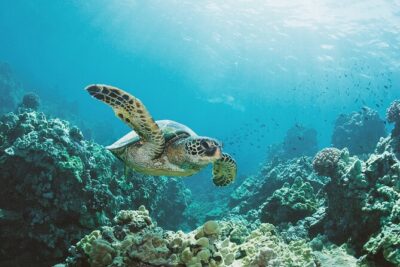
Turtle Canyon Snorkel Adventure in Waikiki, Oahu
Read our review →
The ‘OG’ Manatee Snorkel Tour with In-Water Guide/Photographer
Read our review →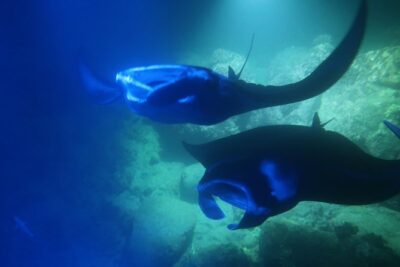
Big Island: Kona Manta Ray Snorkel Tour in Keauhou Harbor
Read our review →Browse the lists this tour appears in