REVIEW · GUIDED
Goat Island Guided Snorkelling Tour For Advanced
Goat Island’s appeal is simple: you get guided practice in New Zealand’s first marine reserve, not just a quick float on the surface. A certified instructor takes you from equipment fitting to duck diving, ear equalizing, and snorkel clearing, with time to apply each skill in the water.
I like the full-day equipment use, which lets you keep exploring after the 150-minute lesson. I also like the gradual start in shallow water, since you can sort out your mask, fins, and breathing before heading farther into the reserve. The main catch is clear: you must already be comfortable swimming in the ocean and have snorkelled before.
Key points to know before booking
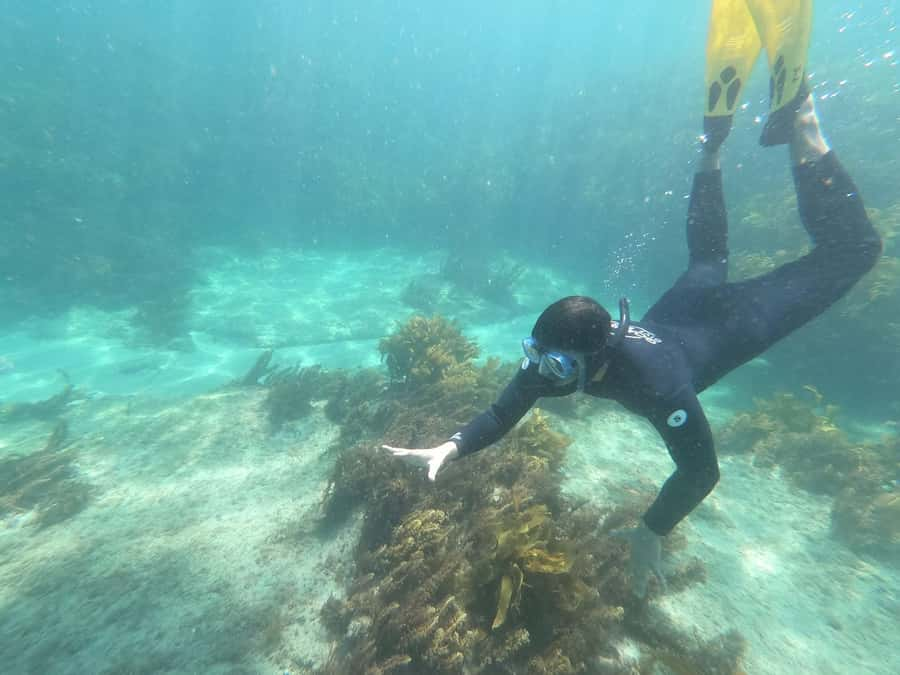
- Practise real snorkelling skills: Learn duck diving, ear equalizing, and snorkel clearing under professional guidance.
- Explore Goat Island Marine Reserve: The tour takes place in New Zealand’s first marine reserve, known for its varied sea life.
- Start in shallow water: Your instructor checks that everyone is comfortable before the group explores farther.
- Keep the gear all day: After the guided session, you can continue using the mask, snorkel, fins, wetsuit, and weight belt.
- Bring your own transport: You collect equipment at the centre, then drive 3 km to the reserve.
- Best for confident swimmers over 12: This is not a beginner lesson and is not suitable for non-swimmers.
What the Goat Island advanced snorkelling tour is really about
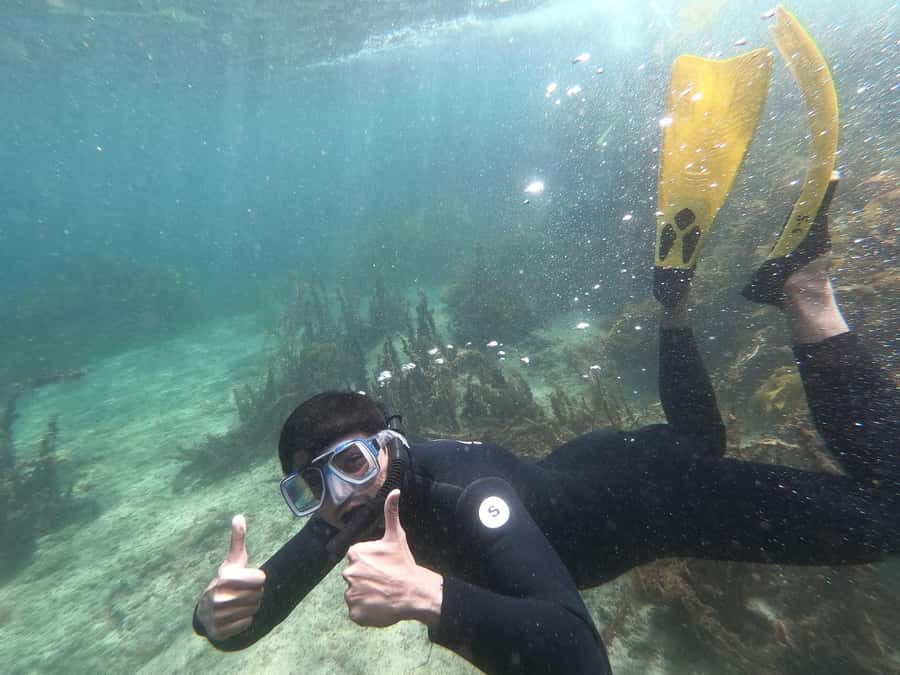
This is a skills session with marine life as the reward. You are not simply handed a mask and sent toward the water. The instructor helps you use your equipment properly, then builds your confidence through a series of practical exercises.
That makes the tour a good choice if you already know the basics but still feel awkward underwater. Perhaps your mask fogs, your snorkel fills with water, or your ears pinch as you swim lower. The lesson addresses those common problems in a controlled setting.
The focus is on going below the surface safely and comfortably. You learn how to duck-dive by bending at the waist, raising your legs, and using your body position to move down rather than thrashing. You also practise equalizing your ears and clearing your snorkel before these skills become necessary farther from shore.
I like this approach because it gives the session a clear purpose. You are not paying only for equipment hire. You are paying for instruction that can make the rest of your time in the water more relaxed and useful.
More guided snorkel trips in the world:
- San Juan Guided Snorkel With Turtles Tour and Videos
★ 5.0 · 12,947 reviews - Dubrovnik: Sea Kayaking&Snorkelling Guided Day/Sunset Tours
★ 4.9 · 2,869 reviews - The ‘OG’ Manatee Snorkel Tour with In-Water Guide/Photographer
★ 5.0 · 2,539 reviews
From Goat Island Dive & Snorkel to the marine reserve
Your meeting point is the Goat Island Dive & Snorkel Centre. This is where you check in and collect the equipment needed for the session.
The package includes a mask, snorkel, fins, wetsuit, and weight belt. Having the centre handle the kit is useful, particularly if you are visiting from overseas and do not want to pack bulky swimming equipment. The fitting also gives you a chance to make sure the mask seals and the fins feel manageable before you reach the shore.
You then drive your own vehicle 3 km to Goat Island Marine Reserve. This is a small but important practical detail. Transport from the centre is not included, so you need access to a car or another way to reach the reserve yourself.
The short drive also means you should allow time for the equipment fitting, check-in, and transfer. The listed activity duration is 150 minutes, but that does not mean every minute is spent in the water. The session includes preparation, the safety briefing, instruction, and the guided snorkel.
Why Goat Island Marine Reserve matters
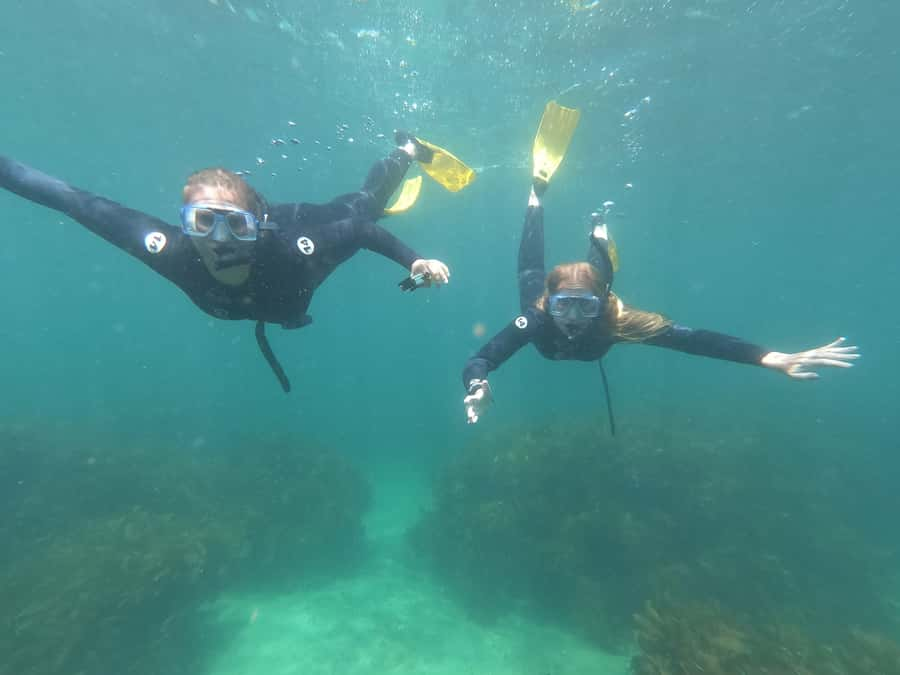
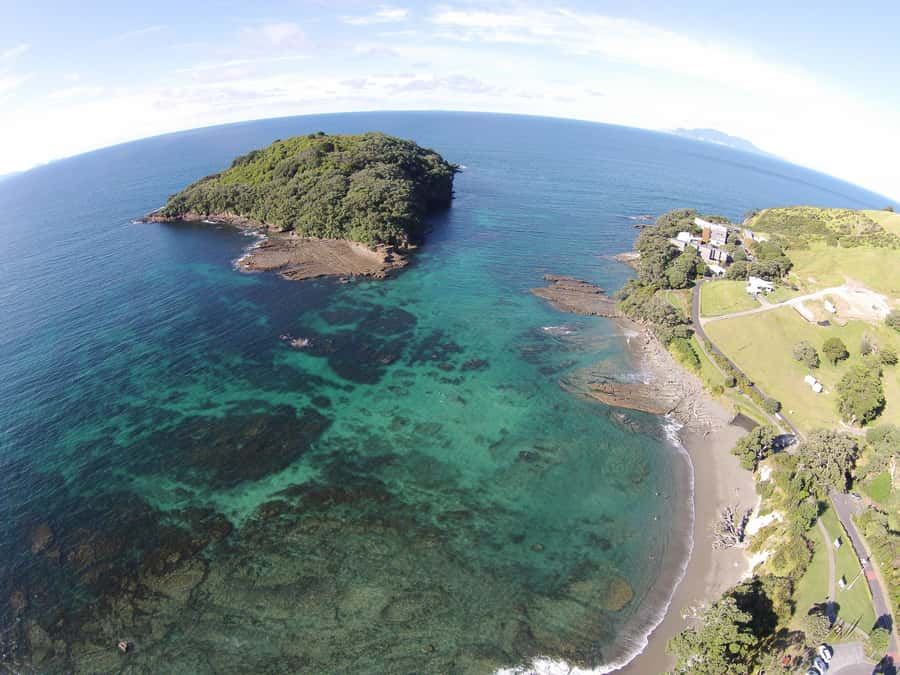
Goat Island Marine Reserve is New Zealand’s first marine reserve. That gives the setting a special place in the country’s conservation story, and the guide introduces you to the area before you enter the water.
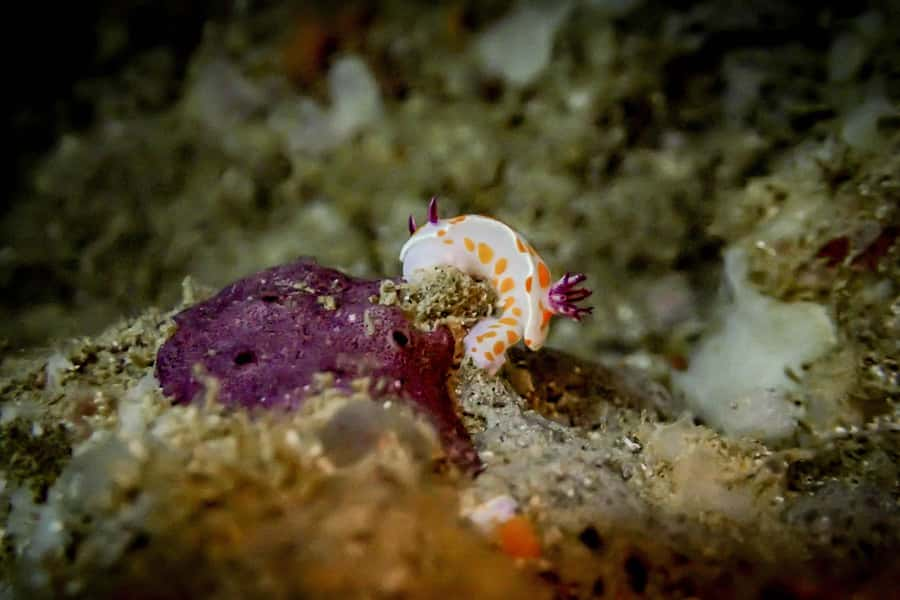
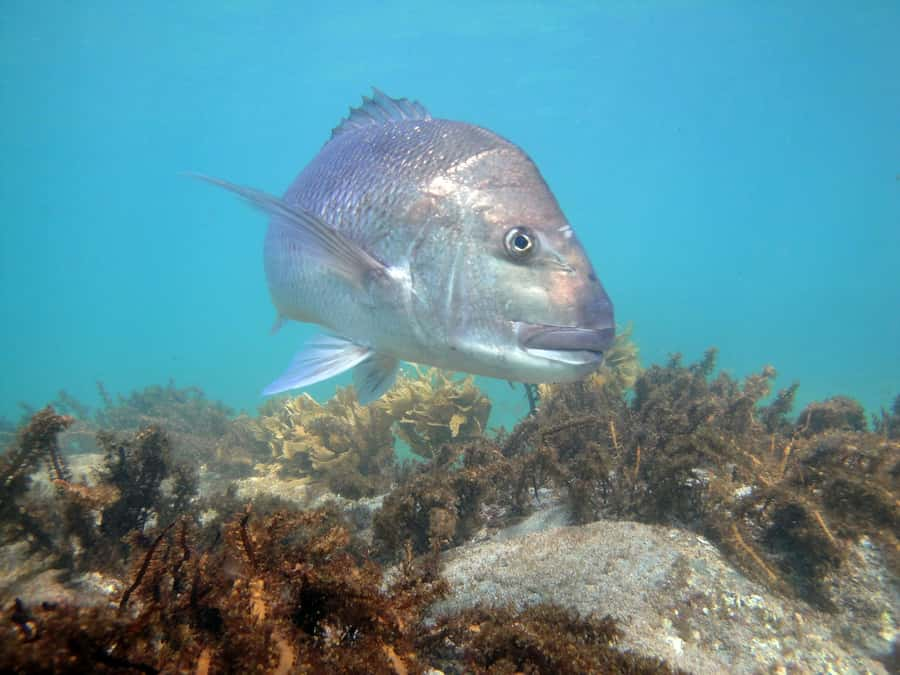
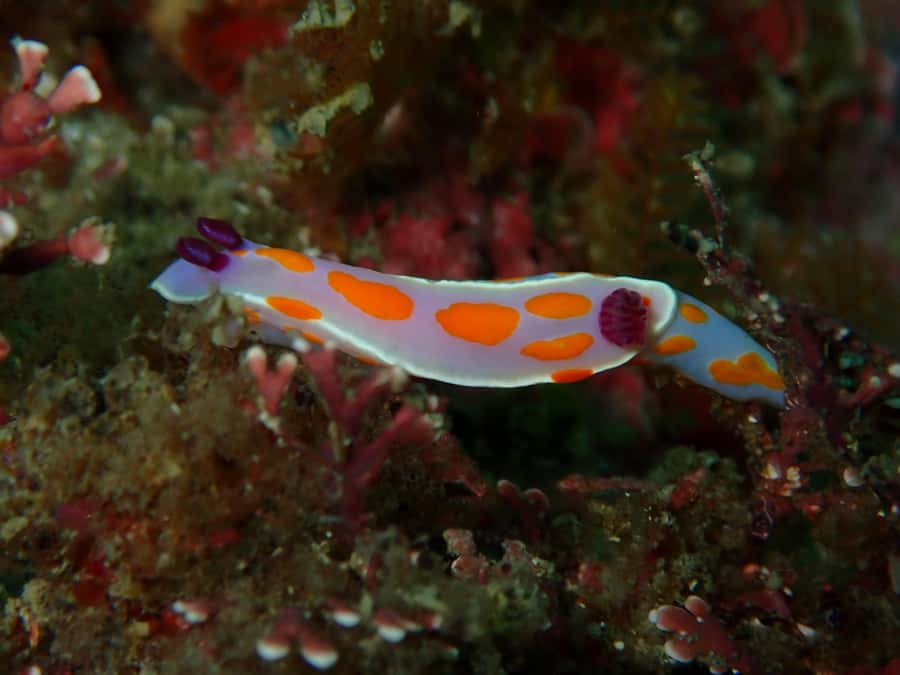
You also receive an introduction to the marine life you are likely to see. This is useful because it gives you something specific to look for instead of swimming past every fish in a blur of fins and sunlight.
The water around Goat Island is filled with marine life, but sightings are naturally part of an outdoor experience. You might see schools of fish and other sea creatures, including a ray. Mario, who joined a session with guide Skye, saw a stingray and many fish. That detail gives you a fair idea of the kind of encounter possible, without promising a fixed list of animals.
The reserve setting also gives the lesson more meaning. You are practising skills in the same water you came to explore. Instead of learning technique in a featureless pool, you can use it while looking at real marine life.
The safety briefing comes before the excitement
Before entering the water, the instructor gives a full safety briefing. You need to understand the instructions in English, since the tour is conducted in English and the safety information is an important part of the session.
The rules are sensible and worth taking seriously. You must not touch marine life, and alcohol and drugs are not allowed. The no-touch rule protects the animals and helps you remember that the reserve is their home, not an underwater petting area.
You also need to be a confident ocean swimmer. This is not the place to discover that open water makes you nervous. The conditions can feel very different from a swimming pool, and the tour is designed for people who have already snorkelled.
The instructor’s role is especially useful here. Skye, one of the named guides associated with the experience, is described as enthusiastic and able to explain the sea life clearly. Another participant, Bailey, found the instructor’s energy infectious, with the excitement spreading through the group. That matters in a skills lesson. A calm, engaged guide can make technical instructions easier to follow.
A few more snorkel trips around the world worth comparing
- Oahu: Grand Tour Around Island 16 Locations plus Snorkeling
★ 5.0 · 8,669 reviews - Tenerife: Kayak and Snorkel with Turtles, Wetsuits Included
★ 4.6 · 7,215 reviews - ️Nusa Penida by Private Boat – Snorkeling 4 spots, Swim with Mantas + Land Tour
★ 5.0 · 6,424 reviews - Big Island Manta Ray Night Snorkel
★ 5.0 · 5,656 reviews
Starting in shallow water
The tour begins in shallow water. This is where you put on the equipment, check your breathing, and get used to the feel of the wetsuit, fins, and mask.
The wetsuit provides warmth, while the weight belt helps you manage your position in the water. The mask and snorkel should let you breathe with your face below the surface, but only after you have found a comfortable fit and settled into the rhythm.
You will first work out the basics that are easy to overlook. Can you breathe steadily through the snorkel? Can you keep water out of the mask? Can you move with fins without kicking wildly? These small points make a large difference once you begin swimming farther.
I appreciate that the tour does not rush straight into the deeper part of the reserve. You can ask questions, adjust your gear, and gain confidence before trying the new techniques. If you struggle at this stage, it is better to find out in shallow water with an instructor nearby.
Learning to duck-dive and equalize
The main lesson is learning to duck-dive beneath the surface. This lets you move below the top layer of water and get closer to the marine life without repeatedly lifting your head to breathe.
The instructor shows you how to angle your body, use your fins, and control your movement. Good technique matters more than force. If you simply kick harder, you may waste energy and stir up the water. A careful duck-dive is quieter and more efficient.
You also practise equalizing your ears. Pressure can build as you move down, so you need to clear your ears before discomfort becomes a problem. The guide explains how to do this and gives you the chance to repeat it under supervision.
The third skill is clearing your snorkel. Water can enter the tube when you move below the surface or when a wave passes over it. Learning how to clear it helps you recover calmly rather than swallowing water or rushing back to shore.
These are modest skills, but they change how you use a snorkel. You become less dependent on staying perfectly still at the surface. You can look around, move down when something catches your eye, and return to normal breathing in a controlled way.
Exploring farther around Goat Island
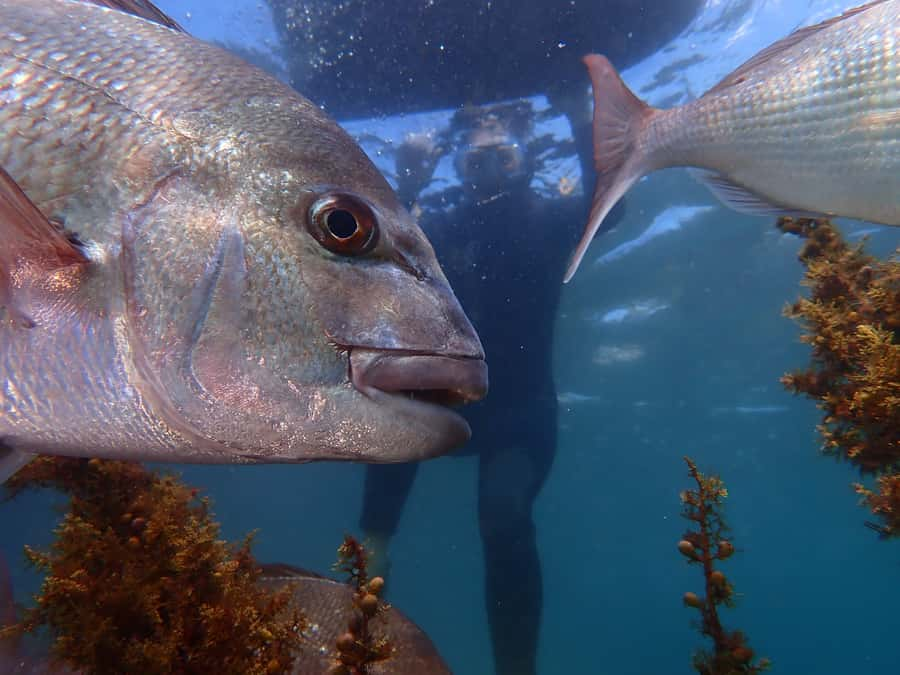
Once everyone is comfortable with the equipment and the techniques, the group begins exploring more of the reserve. The exact route and wildlife sightings can vary, so you should think of this as a guided look at the area rather than a guaranteed animal encounter.
The instructor remains an important part of the experience. You can use the skills immediately, ask about what you see, and learn how to behave around the marine life. The guide also helps keep the session organised while the group moves through the water.
This is where the tour earns its advanced label. A first-time snorkeller might be content to float and watch from above. Here, you are encouraged to use the mask, fins, and breath control together. Duck-diving gives you a better view of what is below, while equalizing keeps the experience comfortable.
You should still keep your expectations sensible. The session does not promise a particular animal, water condition, or visibility level. The confirmed appeal is the chance to explore a protected marine area with instruction and equipment already arranged.
The all-day equipment benefit
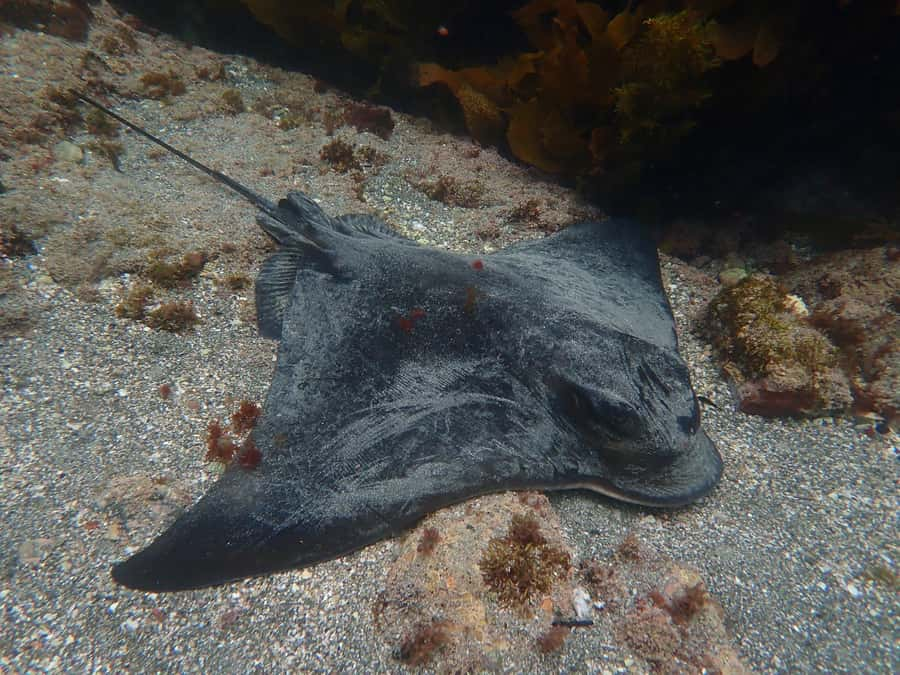
After the guided tour, you can use the equipment for the rest of the day. This is one of the strongest parts of the $56 price.
The 150-minute guided session gives you instruction and a supervised introduction. The extra equipment time lets you repeat the skills while they are fresh. You can practise clearing your snorkel again, work on your duck-dive position, or simply watch the marine life without trying to absorb another lesson.
This also changes the value calculation. If you only want a short guided activity, the price covers the professional instruction and full kit. If you plan to spend more time at Goat Island, the full-day equipment use makes the cost easier to justify.
You should bring swimwear and a towel. Food and drinks are not included, so plan those separately. The information provided does not include a meal stop, so do not treat this as an all-inclusive half-day outing.
Who should book this experience
This tour suits you if you have snorkelled before and want to become more capable in the water. You should be a confident ocean swimmer, comfortable following instructions in English, and at least 12 years old.
It is a good fit for someone who has tried snorkelling on holiday but never learned how to move below the surface properly. It also suits a competent swimmer who wants a guide to help with ear pressure, snorkel clearing, and equipment use.
You should not book it if you are a non-swimmer, have no snorkelling experience, or feel uneasy in the ocean. It is also not suitable for anyone with a pre-existing medical condition, based on the stated restrictions. If that applies to you, seek professional medical advice before booking any water activity.
The minimum age is 12, but age alone does not determine suitability. A teenager who swims confidently and has snorkelled before may be ready. An older participant who is uncomfortable in open water may not be.
The $56 price and overall value
At $56 per person, the tour sits in a reasonable range for a guided water activity that includes a certified guide, equipment, and use of that equipment for the full day.
The biggest value comes from the instruction. You are learning techniques that can improve the rest of your snorkelling, rather than simply renting a mask and fins. The full-day access adds value if you intend to remain at the reserve and keep practising.
The price does not include transport from the centre to the reserve, food, or drinks. You must drive your own vehicle the 3 km to Goat Island, so factor in that small logistical task. It is not a major burden, but it means the experience is not fully door to door.
I would view the price as fair for a prepared, skills-focused session. It becomes less attractive if you only want a brief look at the water and do not care about learning duck-diving or other techniques.
Timing, cancellations, and useful planning notes
The activity lasts 150 minutes, and starting times depend on availability. Check the time carefully when booking so you can coordinate the equipment fitting, the 3 km drive, and the rest of your day.
You can cancel up to 24 hours in advance for a full refund. A reserve-now, pay-later option is also available, which may help if your plans around North Island are still changing.
The tour is conducted in English. Every participant must understand the safety instructions, not just the person who made the booking. If you are travelling with friends or family who speak different languages, make sure everyone can follow the briefing before committing.
Bring swimwear and a towel. You do not need to bring snorkelling equipment, since the required kit is included. You do need to respect the reserve, avoid touching marine life, and stay within the instructor’s guidance during the session.
Should you book the Goat Island advanced snorkelling tour?
Book this tour if you already snorkel and want practical help going below the surface with better control. The shallow-water start, certified instructor, marine reserve setting, and full-day equipment use form a useful package for $56.
The strongest reason to choose it is the chance to turn basic snorkelling into a more capable skill. Skye’s enthusiastic guiding style, the sighting of a stingray and many fish, and the option to keep practising afterward add real appeal.
Skip it if you are a non-swimmer, a complete beginner, under 12, or looking for a relaxed activity with no technical instruction. For the right person, this is a focused way to explore Goat Island and leave with more confidence than you arrived with.
FAQ
How long does the Goat Island advanced snorkelling tour last?
The guided activity lasts 150 minutes. This includes equipment preparation, the safety briefing, instruction, and snorkelling in the marine reserve.
What equipment is included?
You receive a mask, snorkel, fins, wetsuit, and weight belt. You can use the equipment for the rest of the day after the guided session.
Where do I meet the tour?
Check in at the Goat Island Dive & Snorkel Centre. After collecting your equipment, you drive your own vehicle 3 km to Goat Island Marine Reserve.
Is transport to Goat Island included?
No. Transport from the centre to the marine reserve is not included. You need to make the 3 km journey in your own vehicle.
Do I need previous snorkelling experience?
Yes. Every participant must have snorkelled before and must be confident swimming in the ocean. The activity is not suitable for people without experience or for non-swimmers.
What is the minimum age?
All participants must be over 12 years old. Children under 12 cannot join this activity.
What should I bring?
Bring swimwear and a towel. Food and drinks are not included.
Can I cancel the booking?
You can cancel up to 24 hours in advance for a full refund. A reserve-now, pay-later option is also available.
Just added around the world
- Blue Grotto and Capri Boat Tour with Aperitivo Swim and Snorkel★ 4.5 · 47 reviews
- Cancun Whale Shark Experience with Snorkel & Transportation★ 4.5 · 23 reviews
- Land & Sea Adventure to Soufriere/Snorkelling/Mudbath/Lunch★ 5.0 · 106 reviews
- Xelha Snorkel Adventure! Gorgeous & Natural From Playa Del Carmen★ 4.5 · 10 reviews
- Lérins Islands sailing discovery, snorkeling and paddle SUP★ 4.5 · 10 reviews
- Tulum Akumal Snorkel Tour and 4 Cenotes Small Group All Fees Incl★ 5.0 · 28 reviews
- Snorkel, Breakfast, Buffet, Drinks, Xel-ha All Included!★ 4.5 · 17 reviews
- Jungle Tour Adventure in Cancun with Snorkeling★ 3.0 · 10 reviews
Guided, compared.
San Juan Guided Snorkel With Turtles Tour and Videos
Read our review →
The ‘OG’ Manatee Snorkel Tour with In-Water Guide/Photographer
Read our review →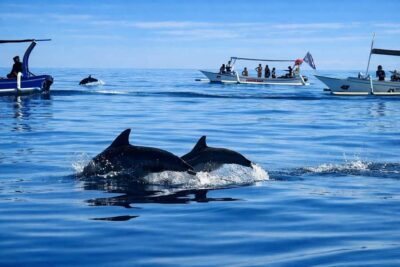
Bali/Lovina: Guided Dolphin Watching & Sunrise Boat Snorkel
Read our review →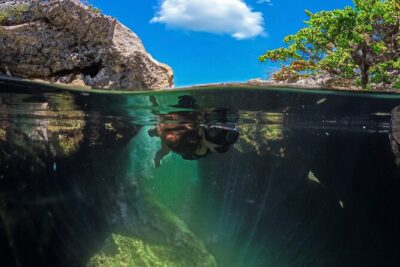
Tulum Guided Tour, Magical Cenote, Lagoon Snorkeling and Beachside Lunch
Read our review →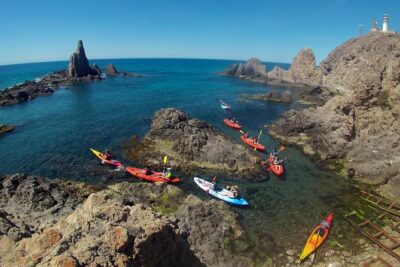
Cabo de Gata Active. Guided kayak and snorkel route through coves of the Natural Park
Read our review →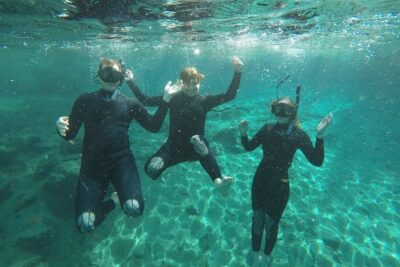
Guided Small Group Manatee Snorkeling Tour with In-Water Photographer
Read our review →
Curieuse Guided Tour, St Pierre, BBQ & 2 Snorkel Stops
Read our review →