
REVIEW · BIG ISLAND OF HAWAII
3.5 Hour Kailua-Kona Ocean Kayak and Snorkel Tour
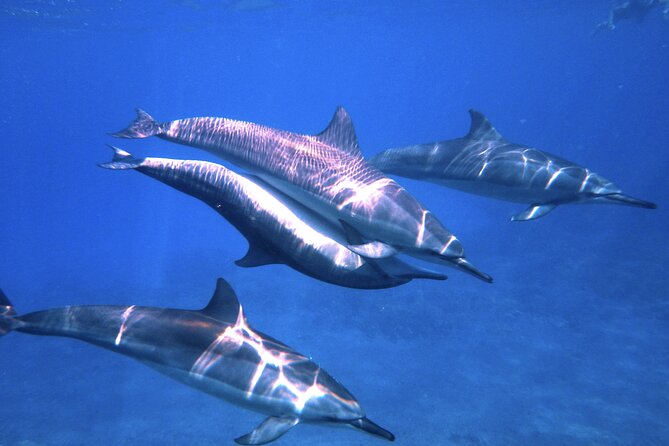
Kona’s coast is at its best early in the day, when the water is often calmer and the heat has not yet settled in. This tour combines ocean kayaking, snorkeling, and sea-cave exploring in one compact morning, with possible sightings of spinner dolphins, turtles, manta rays, and seasonal humpback whales.
I like the small groups, usually four to eight people, and the guides’ mix of safety instruction, local stories, and practical help. I also like that you can choose your own level of adventure: paddle and snorkel at an easy pace, or add a cliff jump if the conditions and your nerve allow it.
The catch is that this is open-ocean kayaking, not a gentle paddle on a sheltered lake. Choppy water can make the outing tiring, stir up the snorkeling water, and cause seasickness, so you should be comfortable with a moderate workout and changing conditions.
Key points to know before you book
- Early start: Meet around 6:50 to 7:00 a.m. and return by late morning, before the afternoon heat and wind usually build.
- Small-group format: The usual group is four to eight people, with a maximum of 10.
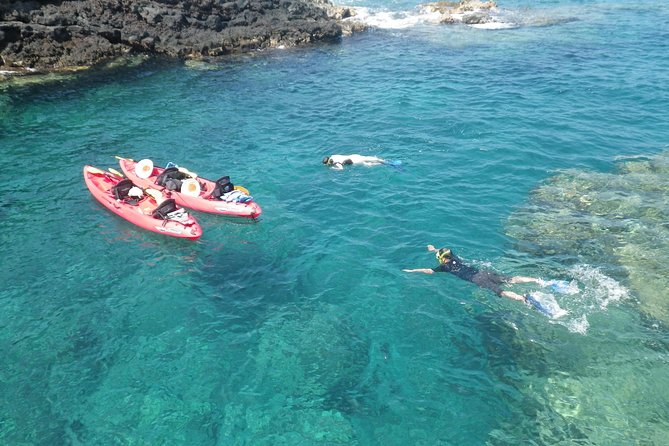
- Three activities in one: Kayak along the coast, snorkel over coral, and explore caves, lava tubes, blowholes, or cliff-jumping areas when conditions permit.
- Guides make the difference: Ryan, Miles, and Kevin have been singled out for clear instruction, patience, local stories, and calm handling of rough water.
- Moderate physical demand: The route can cover more than 3.5 miles, and paddling through swell takes real arm strength.
- Plan your gear carefully: Bring water shoes or sandals with heel straps, sunscreen, a hat, a cover-up, and a small snack in a dry bag.
Why the early Kona departure matters
The meeting point is at 78 Ehukai Street in Kailua-Kona, near Keauhou Bay. The scheduled start is about 7:00 a.m., with check-in generally listed at 6:50. That early hour is not just a scheduling nuisance. It shapes the whole outing.
Morning is the best chance for calmer water and cooler temperatures. Hawaiian spinner dolphins are also most often seen early, so the paddle begins with a reasonable chance of spotting them along the coast. Wildlife is never guaranteed, but the timing gives you a better shot than a late-morning departure.
I like the way this schedule leaves the rest of your day open. You should be back around late morning, giving you time for lunch, a drive, or a quiet afternoon after several hours on the water. It also avoids the strongest part of the heat.
Parking at 7:00 a.m. is generally straightforward, and there is no hotel pickup or drop-off. You will need to arrange your own transportation to the meeting point. Check the exact location carefully, since one day of the week may overlap with a local market near the launch area.
More Snorkeling and Kayaking Trips in the USA
- Morning Magic Kayak and Snorkel Adventure in Kealakekua Bay
★ 5.0 · 183 reviews - Midday Meander – Kealakekua Bay Kayak and Snorkel Adventure
★ 5.0 · 68 reviews - Half-Day Trip from Key West with Kayaking, Snorkeling & Sunset
★ 5.0 · 1,683 reviews
Getting comfortable in the kayak
You do not need previous kayaking experience. The guides begin with clear instructions on paddling, water safety, and getting in and out of the kayak. Stable kayaks and quality snorkeling equipment are provided, and the guides are trained in lifeguarding and first aid.
That said, no experience does not mean no effort. The route can stretch beyond 3.5 miles, and you may paddle through swell or choppy water. One participant described it as a workout, but not an excessive one. That is a fair way to think about it if you have average fitness.
The small group helps here. A guide can adjust the pace, offer a hand when you enter or leave the kayak, and keep an eye on less experienced paddlers. Miles has been praised for patience and clear instructions, while Ryan is noted for helping people manage the kayaks and for explaining what to expect before the trip begins.
If you have hip, knee, or ankle problems, this is not a good choice. The operator also lists a 230-pound maximum per person and asks anyone over 70 or over that weight to call before booking. Those limits are tied to safety and equipment, not judgment, so take them seriously.
Paddling past lava cliffs and sea caves
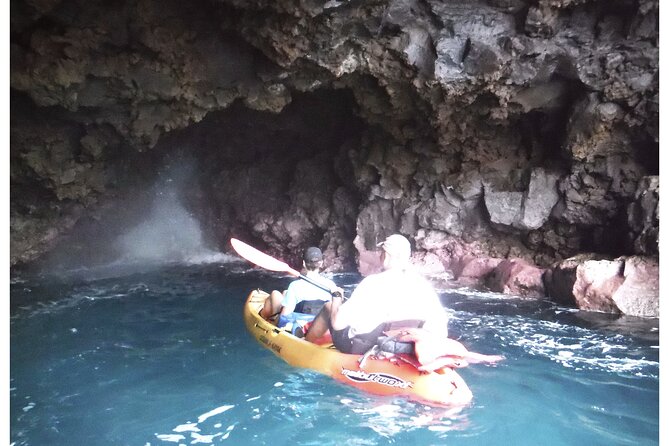
Once the group is on the water, the route follows the Kona shoreline. The scenery comes from the meeting of black volcanic rock and open Pacific water, with sea caves, lava tubes, and waves breaking against the coast.
The caves are one of the most memorable parts of the outing. You may paddle toward openings in the rock and ride small swells into passages or hollowed sections of the coast. Conditions determine what is safe and accessible. A rough day may provide dramatic waves against the cliffs, but it can also shorten the route or limit how closely the kayaks approach the rock.
Possible stops include blowholes, The Elevator, The Rings, and other local formations. Some of these names refer to natural features along the coast, while others are local spots used during the outing. The exact combination depends on the sea, timing, and group pace, so do not treat every named feature as a guaranteed stop.
This is also when the guide’s local commentary adds value. Ryan and Miles have been praised for explaining Hawaiian history, geology, marine life, and places to visit later on the island. The talk is informal rather than a formal lecture. You can ask questions as you paddle, which makes the information easier to connect with what you see around you.
Snorkeling over coral and more than 50 fish species
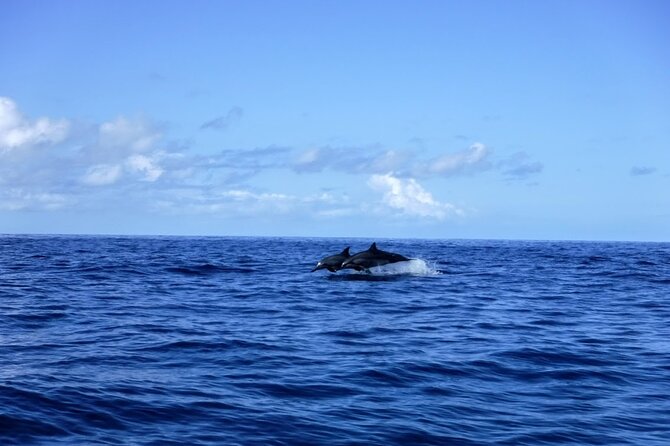
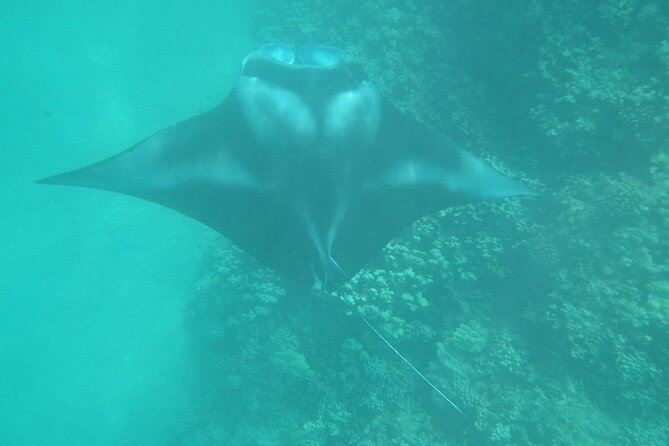
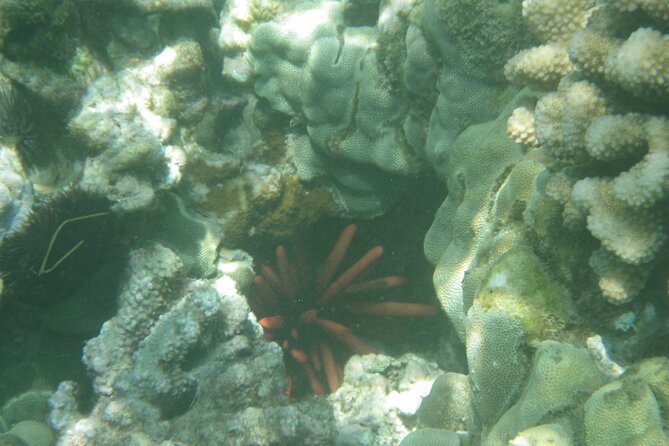
The tour includes two snorkeling stops at favored spots along the coast. The water may reveal coral, more than 50 types of colorful fish, and occasional larger marine life such as manta rays, hawksbill turtles, green turtles, or humpback whales in season.
The snorkeling is a strong reason to choose this trip over a basic kayak rental. You are not simply paddling out and turning around. The guide chooses places where you can stop, get your mask and fins ready, and spend time looking beneath the surface.
Still, the ocean decides how good the view will be. Rough water can stir the bottom and reduce visibility. One outing had excellent kayaking conditions for playing in the waves but poor snorkeling clarity. If underwater viewing is your top priority, keep that possibility in mind.
You may also find the entry and exit points rocky. Wear water shoes or sandals with heel straps rather than loose flip-flops. This advice matters for both snorkeling and the shore-based stops, where uneven volcanic rock and thorns may be present.
The water can be remarkably clear on a good morning. You might see down more than 50 feet, giving the coral and fish room to show themselves. But you should treat wildlife sightings as a bonus, not a promise. The advertised species are possible encounters, not a guaranteed checklist.
More kayak and snorkel trips in Big Island of Hawaii:
- Tenerife: Kayak and Snorkel with Turtles, Wetsuits Included
★ 4.6 · 7,215 reviews - Barcelona Costa Brava Kayak, Snorkel & Cliff Jump Day Tour
★ 5.0 · 3,872 reviews - Tenerife: Kayak Safari and Snorkel in a Marine Reserve
★ 4.5 · 3,214 reviews - Dubrovnik: Sea Kayaking&Snorkelling Guided Day/Sunset Tours
★ 4.9 · 2,869 reviews
Cliff jumping, lava tubes, and optional thrills
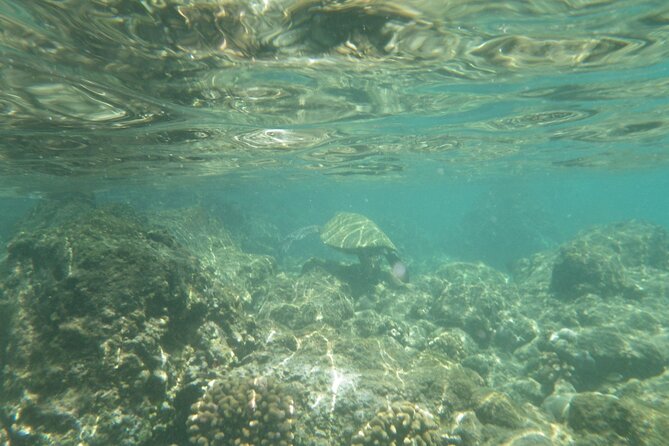
The land stops give the tour a playful edge. Depending on conditions, the group may explore a lava tube, inspect a blowhole, visit areas known locally as The Elevator and The Rings, or stop at a cliff-jumping site.
Cliff jumping is optional. You do not have to jump, and you can still enjoy the cave, paddle, and snorkeling parts of the trip if you prefer to stay on solid ground. The jump can be around 30 feet at one spot, so this is not a small step off a low ledge.
If you do jump, follow the guide’s instructions and wear sturdy footwear for the approach. One area has thorns, and bare feet or flimsy flip-flops are a poor match for the walk in and out. The guides can explain where to enter the water, but you remain responsible for deciding if the activity suits you.
These shore stops also give your arms a break. After paddling through open water, a short land exploration can feel welcome. On the other hand, climbing over rock adds another physical demand, so the whole trip is more active than the word snorkeling may suggest.
What makes the small group worth the price
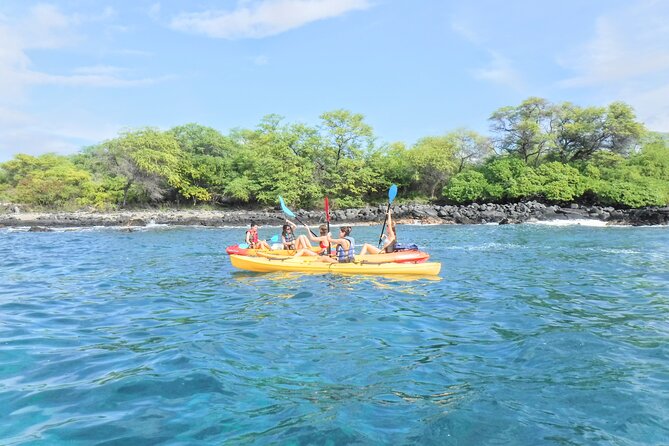
The listed price is $99 per person. For that amount, you get the guide, local taxes, bottled water, kayak use, and snorkeling equipment. You do not get hotel transportation, and you should plan to bring or arrange your own food.
I think the price makes sense if you want several activities in one morning and value personal attention. A group capped at 10, with an average closer to four to eight, is much easier to manage than a large boat outing. You can ask questions, get help with the kayak, and move at a pace that works for the group.
The value is less clear if you want only a short, effortless paddle or a guaranteed snorkeling session in calm, protected water. This is a coastal adventure with changing conditions. You are paying for access, equipment, instruction, and a flexible route, not a guaranteed wildlife show or fixed list of stops.
The guides are a major part of the value. Miles, Ryan, and Kevin have been praised for being friendly, patient, entertaining, and careful in rough water. That matters when you are learning to handle a kayak, entering a cave, or deciding whether a cliff jump feels right.
The physical side: honest advice about effort and seasickness
You should arrive ready to paddle. The route may cover more than 3.5 miles, and the ocean can keep the kayak moving even when you stop paddling. Several descriptions of the outing point to waves, swells, and a lingering rocking feeling after returning to land.
If you are prone to motion sickness, take sensible precautions before you arrive. One participant specifically advised bringing Dramamine, though you should decide what is medically appropriate for you. A seasick person may not enjoy the open-water portion, and the roughness can make the return more difficult.
The trip may also finish early or change shape when conditions turn poor. That is not necessarily a flaw. A guide who shortens an outing because waves become unsafe is making the right call. Still, you should book this with an open mind about the exact route and duration.
Bring a snack in a dry bag. The morning can run long enough for hunger to become noticeable, and food is not listed among the inclusions. Apply sunscreen before departure, then use a hat or cover-up as needed. The sun reflects off the water, and there is little shade once you are paddling.
Who will enjoy this Kona adventure most
This tour fits you best if you want active sightseeing rather than a passive boat ride. It works especially well for couples, families with older children, and friends who like combining several activities in a single outing.
It is also a good introduction to kayaking if you are reasonably fit and willing to learn. The guides provide instruction, and the stable boats make the first steps less intimidating. You should still expect to work your arms and stay alert to waves.
You may want a different outing if you have joint problems, significant motion sickness, limited physical fitness, or a strong need for calm water. It is also not ideal if you want guaranteed manta rays, turtles, dolphins, or whales. Nature controls the schedule.
The tour has an unusually broad range of intensity. One person can paddle, snorkel, and enjoy the caves without jumping. Another can add a 30-foot leap and scramble over volcanic rock. That flexibility is useful for mixed groups, as long as everyone understands that the whole outing remains physically active.
Practical details worth handling before departure
The operator provides bottled water, local taxes, a professional guide, kayaks, and snorkeling gear. When booking, provide shoe sizes and specify men’s or women’s sizing so fins can be prepared correctly.
Wear a swimsuit under a cover-up, secure water shoes or sandals with heel straps, and bring sunscreen, a hat, and a waterproof camera if you have one. A dry bag is useful for a small snack and personal items. Be careful with phones, rings, and other valuables around the water.
There is a maximum of 10 people, though the normal group is smaller. Confirmation is sent within 48 hours, subject to availability. Since space is limited and the experience is often reserved well ahead, book early if your Kona dates are fixed.
You can cancel for a full refund up to two full days before the start time. Weather cancellations offer either another date or a full refund, and the same general choice applies if the minimum group size is not reached.
Should you book the Kailua-Kona kayak and snorkel tour?
Book it if you want an early, active morning with three distinct experiences in one: paddling along volcanic coastline, snorkeling over coral, and exploring caves or cliff-jumping spots. The small groups and attentive guides make the $99 price reasonable, especially for first-time kayakers who want instruction without joining a large boat crowd.
Skip it if you need flat water, guaranteed visibility, or a low-effort excursion. The open Pacific can be choppy, the snorkeling can suffer after rough weather, and the paddling takes strength.
For the best chance at a smooth outing, choose the early start, arrive prepared for motion sickness, wear secure footwear, and accept that the ocean sets the final plan. If that sounds like the kind of morning you came to the Big Island for, this is a strong choice.
FAQ
Where does the tour meet?
The meeting point is 78 Ehukai Street, Kailua-Kona, Hawaii, near Keauhou Bay. The scheduled start time is 7:00 a.m., with check-in listed around 6:50 a.m.
How long does the experience last?
The tour lasts approximately four hours, though it is also described as a 3.5-hour experience. It generally returns by late morning.
Is hotel pickup included?
No. Hotel pickup and drop-off are not included, so you must make your own way to the meeting point.
Do I need kayaking experience?
No previous experience is required. The guides provide instruction on paddling, water safety, and getting in and out of the kayaks.
What is the maximum group size?
The activity allows a maximum of 10 participants, with the usual group averaging four to eight people.
Is there a weight or age restriction?
The listed maximum weight is 230 pounds per person. The tour is not recommended for people over 70 without calling ahead, and it is not recommended for those with hip, knee, or ankle problems.
Just added around Big Island of Hawaii
- Waikoloa Catamaran Snorkel Sail Including Lunch★ 4.5 · 105 reviews
- Two Tank Morning Reef Dive and Snorkel★ 5.0 · 54 reviews
- 2-Hour Dolphin Watching and Double Reef with Snorkel in Hawaii★ 5.0 · 23 reviews
- Ultimate Ocean Encounters Midday Snorkel★ 4.5 · 43 reviews
- Premium Kona Coast Morning Snorkel★ 5.0 · 179 reviews
- Sunset Cruise & Manta Night Snorkeling Charter★ 5.0 · 16 reviews
- Kona Luxury Catamaran Yacht Snorkel & Sail★ 5.0 · 40 reviews
- Dolphin, Sea Cave & Captain Cook Snorkel Combo in Kealakekua Bay★ 4.5 · 220 reviews
Big Island of Hawaii Snorkeling Tours, compared.
Big Island: Kona Manta Ray Snorkel Tour in Keauhou Harbor
Read our review →
Big Island: Captain Cook Snorkel On A Power Catamaran With Lunch
Read our review →
KONA Manta Ray Night Snorkel – FREE re-ride if no Sightings
Read our review →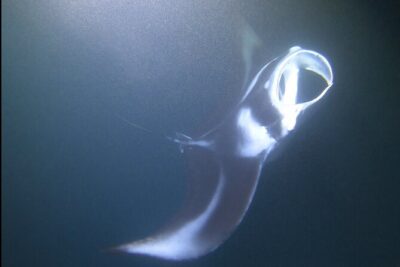
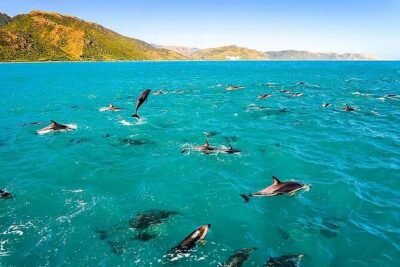
Kona Snorkel Tour: Captain Cook Reef Snorkel, Dolphin & Sea Caves
Read our review →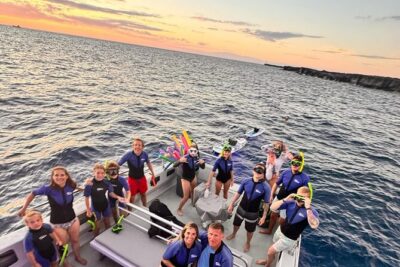
Glow of the Deep: Night Snorkeling with Manta Rays
Read our review →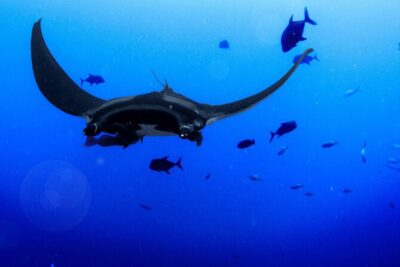
Manta Magic: Small-Group Manta Ray Night Snorkel in Kailua Kona
Read our review →Browse the lists this tour appears in